
Tools
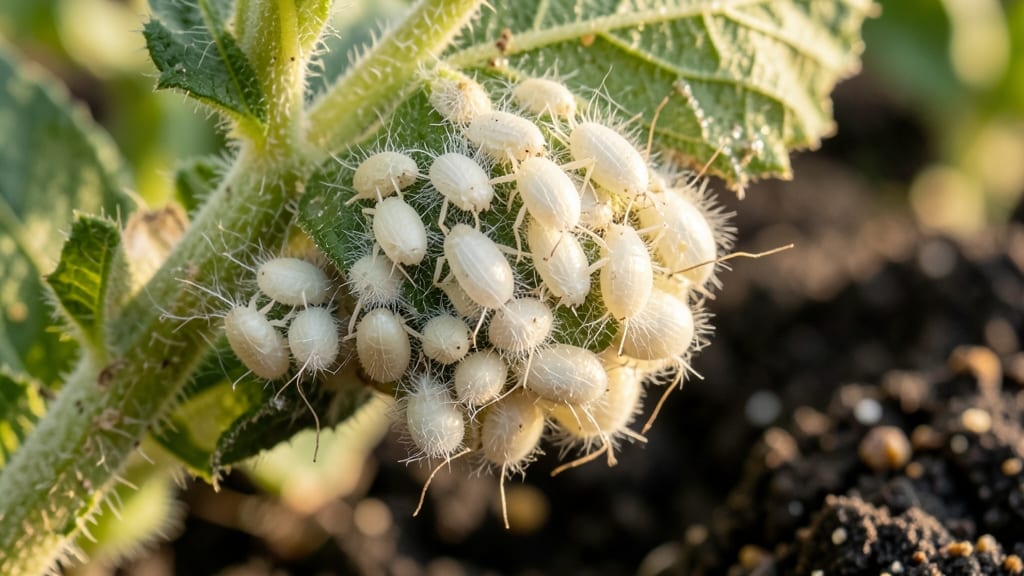
White bugs in your garden aren’t just annoying—they’re sucking the life out of your plants before you even notice. 🌿 I’ve battled aphids, mealybugs, and whiteflies, and the key to stopping them isn’t harsh chemicals but smart, humane traps that work with nature, not against it.
Most gardeners panic when they spot these pests, but the real secret is understanding their life cycle. These bugs thrive in crowded, sticky environments, so simple changes—like better airflow and neem oil sprays—can make your garden less inviting.
I’ve tested traps that catch hundreds of them without harming pollinators, and they’re easier to set up than you’d think.
By the end of this, you’ll have a garden where white bugs are a rare sight, not a daily battle. Your plants will stay lush, your harvests will be bigger, and you’ll skip the guilt of using toxic sprays.
The best part? These traps work fast—sometimes in just a few days.
Whether you’re dealing with a small infestation or a full-blown outbreak, this method scales. No more losing tomatoes to aphids or wilting leaves from whiteflies. Let’s get your garden back to thriving—naturally.
Root Causes Of Tiny White Invaders
Discovering white bugs in your garden can feel like an unexpected surprise—especially when your plants seem to be thriving one day and suddenly look like a buffet the next.
These tiny pests don’t just appear out of nowhere; they’re drawn to your garden for specific reasons, often tied to environmental cues, plant health, or even human habits. Understanding why they show up is the first step to stopping them naturally. Let’s break down the science behind their unwelcome visits.
White bugs like fungus gnats, whiteflies, and aphids thrive in moist conditions because their larvae and eggs need humidity to survive. Overwatering—especially if water pools around roots—creates the perfect breeding ground. Here’s why:
- Fungal food: Excess moisture encourages fungal growth in soil, which fungus gnat larvae feed on. Think of it like a damp sponge for their tiny stomachs.
- Slow-draining soil: Clay-heavy or compacted soil traps water, keeping the upper layers perpetually soggy. Whiteflies and aphids also love this environment because it weakens plants, making them easier targets.
- Foliage moisture: Water droplets on leaves (from overhead watering) create ideal spots for whitefly eggs to hatch. It’s like a mini rainforest for their offspring!
Actionable fix: Let the top inch of soil dry out between waterings, and water at the base of plants in the morning to reduce humidity on leaves. Humane traps can also disrupt their life cycle.
Healthy plants repel pests naturally, but stressed or nutrient-deficient plants send out distress signals that white bugs can’t resist. Here’s how it happens:
| Plant Stress Factor | Why Bugs Love It | Common Culprits |
|---|---|---|
| Nitrogen deficiency | Yellowing leaves (chlorosis) make plants easier to colonize. Aphids and whiteflies target weak spots first. | Aphids, whiteflies |
| Over-fertilization | Too much synthetic fertilizer burns roots, creating entry points for pests. Soft, new growth is a favorite snack. | Fungus gnats, mealybugs |
| Disease or damage | Holes from pests or fungal spots create wounds that attract secondary invaders (like spider mites or scale). | All white bugs (they follow the chaos!) |
Actionable fix: Strengthen plants with balanced organic fertilizers (like compost tea or fish emulsion) and prune damaged leaves immediately. Humane traps can also reduce populations before they exploit weak spots.
White bugs often hitchhike into gardens on new plants, potting soil, or even garden tools. Here’s the science:
- Larvae in soil: Fungus gnat eggs and whitefly pupae can lie dormant in potting mix for months. If you repot without sterilizing, you’re essentially moving them in.
- Hidden in foliage: Mealybugs and scale insects often cling to the undersides of leaves or stems of nursery-bought plants. They’re masters of disguise!
- Tool contamination: Pruners, trowels, or even gloves can transfer eggs or nymphs between plants. It’s like a buggy game of telephone.
Actionable fix: Quarantine new plants for 2 weeks, inspect soil and leaves thoroughly, and sterilize tools with 70% rubbing alcohol or hot, soapy water. Sticky traps near entry points can catch hitchhikers early.
White bugs are cold-sensitive, so they seek out warm, protected spots in your garden—especially during cooler months. Here’s how your garden might be unintentionally inviting them:
- Greenhouse effect: Plastic covers, mulch piles, or dense foliage trap heat and humidity, creating ideal breeding zones. Think of it as a buggy sauna.
- South-facing plants: Areas that bake in sunlight (like near brick walls) stay warmer longer, extending the whitefly and aphid season.
- Undisturbed leaf litter: Decaying organic matter under bushes or trees provides shelter for eggs and nymphs, shielding them from predators and weather.
Actionable fix: Improve airflow with pruning and mulch management, and avoid over-mulching near plant bases. Yellow sticky traps placed in warm corners can intercept adults before they multiply.
💡 Pro Tip: Most white bugs have short life cycles (weeks, not months), so early intervention is key. Combine humane traps with these fixes to break their cycle before they take over!
Quick Fixes for Common White Bugs
White bugs in your garden can feel like an unwelcome invasion, but with the right approach, you can restore your plants to their healthy, pest-free glory—without harming the critters or the environment.
Below, we’ve mapped out practical, humane solutions tailored to the most likely culprits, from mealybugs to aphids, along with prevention tips to keep them from crashing the party again.
Cause: These cotton-like clusters thrive in warm, sheltered spots, often on houseplants or citrus trees. They suck sap, leaving sticky residue ("honeydew") that attracts mold.
How to Fix It:
- 🔥 Manual Removal (Best for Small Infestations)
- Use a soft toothbrush or cotton swab dipped in rubbing alcohol (70% isopropyl) to dab away clusters. Focus on stems, leaf undersides, and crevices.
- Pro Tip: 💡 Wrap the swab in plastic wrap before dipping to avoid dripping alcohol on soil.
- 🍳 Homemade Spray (Non-Toxic & Effective) - Mix 1 tsp dish soap + 1 tsp neem oil + 1 quart water in a spray bottle.
Shake well and apply directly to bugs (avoid overspraying leaves). - Why it works: Soap disrupts their waxy coating, while neem oil repels future eggs.
- 👨🍳 Beneficial Insects (Long-Term Defense)
- Release ladybugs or parasitic wasps (like Encarsia formosa). These predators love mealybugs and will patrol your garden naturally.
- Where to buy: Local nurseries or online (e.g., Garden Safe).
Prevention:
- 🌡️ Inspect new plants before bringing them indoors—quarantine for 2 weeks.
- ✨ Prune overcrowded foliage to improve airflow (mealybugs adore humidity).
- 🎯 Use reflective mulch (like aluminum foil) around plant bases to deter them.
Cause: These tiny moth-like bugs flutter above leaves, leaving a white cloud when disturbed. They weaken plants by draining sap and spreading viruses.
How to Fix It:
- 🔪 Yellow Sticky Traps (Fast Trap & Track)
- Hang yellow sticky cards near infected plants. Whiteflies are drawn to yellow—they’ll get stuck in seconds.
- Pro Tip: 🌡️ Place traps under leaves where they hide during the day.
- 🍳 Insecticidal Soap (Targeted Blast)
- Spray early morning or late evening (when bugs are less active) with a homemade mix:
- 1 tbsp castile soap + 1 quart water.
- Caution: Test on a small leaf first—some plants (like succulents) are sensitive.
- Spray early morning or late evening (when bugs are less active) with a homemade mix:
- 👨🍳 DIY Fan Trick (For Heavy Infestations)
- Whiteflies hate airflow. Place a small fan near plants for 10–15 minutes daily to knock them off leaves.
- Pair with neem oil spray (1 tsp oil + 1 tsp soap per quart water) to break their life cycle.
Prevention:
- 🌿 Avoid over-fertilizing (nitrogen-heavy soil attracts them).
- 🎯 Use row covers over seedlings to block adults from laying eggs.
- ✨ Introduce lacewings—their larvae devour whitefly eggs like popcorn.
Cause: These brown or white, shell-covered bugs attach to stems/leaves, sucking sap. They’re hard to spot until plants look stunted or wilted.
How to Fix It:
- 🔥 Scrape Them Off (For Small Clusters)
- Use a plastic scraper or your fingernail to gently pry off scales. Drop them into soapy water to kill them.
- Why plastic? Metal can damage plant tissue.
- 🍳 Horticultural Oil (Smothering Attack)
- Apply dormant oil (like Safer® Brand 3-in-1) in early spring or fall (when temps are below 85°F).
- How to apply: Spray thoroughly, including leaf undersides. Reapply every 7–10 days.
- 👨🍳 Beneficial Nematodes (Underground Allies)
- Steinernema feltiae nematodes seek out and kill scale insects in the soil. Mix with water and drench the root zone.
- Best for: Outdoor plants with heavy infestations.
Prevention:
- 🌡️ Monitor new plants—scales often hitchhike on nursery stock.
- 🎯 Keep gardens diverse—predatory birds and wasps naturally control scale populations.
- ✨ Wipe leaves with a damp microfiber cloth to remove eggs weekly.
Even after treating an infestation, proactive steps save time and stress: - 💡 Weekly inspections: Check leaf undersides, stems, and soil for early signs. - 🌿 Healthy soil = strong plants: Use compost and mycorrhizal fungi to boost plant resilience. - 🎯 Companion planting: Grow marigolds, basil, or garlic near vulnerable plants—their scents repel pests. - 🌡️ Water wisely: Avoid overhead watering (keeps foliage damp, inviting bugs).
Water at the base in the morning.
Remember: Patience is key—some solutions (like beneficial insects) take 2–4 weeks to show results. But with these humane, chemical-free methods, your garden will stay lush, bug-free, and thriving—without a single creature harmed. 🌱✨
Frequently asked questions
Are white bugs in my garden always harmful?
Not all white bugs are pests! Some, like lacewings or whiteflies' natural predators, actually help your garden by eating harmful insects. The troublemakers are usually aphids, mealybugs, or whiteflies—look for sticky residue (honeydew) or wilting leaves to spot them.
How do I tell if my plants have a white bug infestation?
Check for these signs: sticky leaves (honeydew), yellowing or curled leaves, tiny white specks moving when disturbed, or white cottony clusters on stems. Flip leaves over—many pests hide there!
Will yellow sticky traps work for all white bugs?
Yellow traps catch whiteflies and fungus gnats effectively, but they won’t stop mealybugs or scales (they hide in crevices). Use traps for flying pests and pair them with neem oil sprays or manual removal for stubborn bugs.
Can I use neem oil on edible plants?
Yes! Neem oil is safe for vegetables, fruits, and herbs when used properly. Always dilute it (1 tsp per quart of water) and apply in the evening to avoid harming bees. Wait 24 hours before harvesting treated plants.
What’s the fastest way to stop a white bug outbreak?
Combine yellow sticky traps (for flying pests) with a soapy water spray (1 tbsp dish soap + 1 gallon water). For severe cases, release ladybugs or lacewings—they’ll eat hundreds of bugs in days!