
Pests
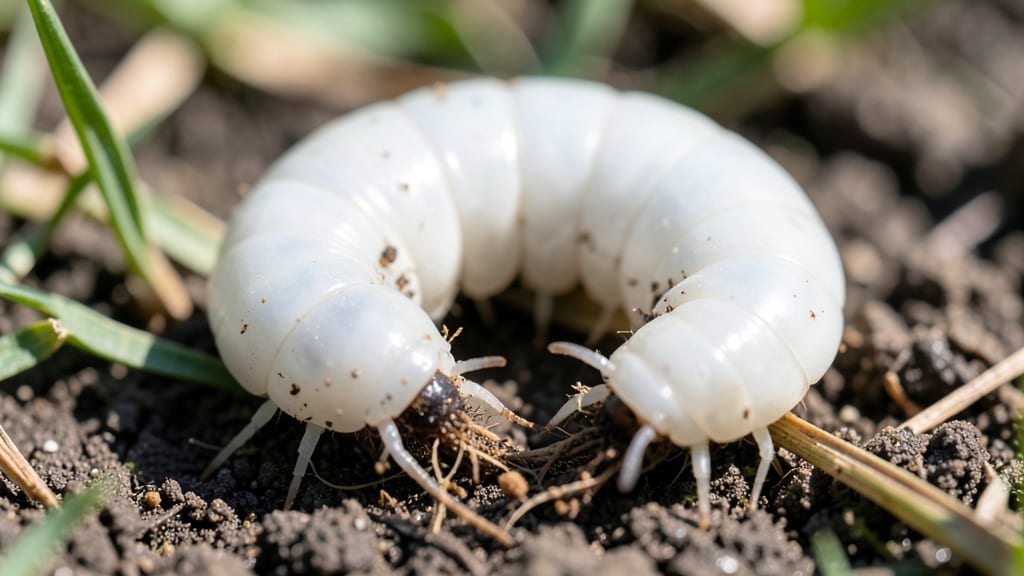
White garden grubs are the sneaky pests lurking in your lawn roots, turning lush green into brown patches overnight. 🌱 I’ve watched them destroy lawns in just a few weeks, and the worst part?
Most people don’t even realize they’re the culprit until the damage is done. These C-shaped larvae chew through grass roots, leaving behind weak, patchy lawns that no amount of watering or fertilizing can fix.
The problem starts underground, where grubs feed for months before pupating into beetles. By the time you see the damage, they’ve already done their worst. The good news? You can break their cycle naturally—without chemicals that just mask the problem temporarily.
I’ve tried everything from nematodes to bird-friendly habitats, and the right approach keeps grubs in check without harming your soil or local wildlife.
You’ll learn how to spot their telltale signs, when to act (spring and fall are critical), and which organic methods actually work. No more guessing whether those brown patches are grubs, drought, or something else—just clear, actionable steps to reclaim your lawn.
The best part? These solutions work for years, not just one season.
Whether you’re dealing with a small patch or a full-blown infestation, this guide cuts through the confusion. Regional differences matter—some areas see worse outbreaks in wet springs, while others struggle in dry summers—but the core strategies stay the same. Let’s get your lawn back to thick and green for good.
Hidden Culprits Behind Lawn Damage
White garden grubs—those pale, C-shaped larvae—don’t just appear out of nowhere. Their presence is usually a sign of deeper ecological imbalances in your lawn or garden. Understanding why they thrive helps you tackle the problem at its root.
Below, we break down the key factors that turn your green space into a grub buffet.
Grubs love moist, soft soil—almost like a five-star resort. When your lawn stays soggy for too long (thanks to overwatering, poor drainage, or heavy foot traffic), you’re essentially rolling out the welcome mat for their favorite habitat.
- Why it happens: Excess moisture slows microbial activity, reducing natural predators like nematodes and beneficial insects. Compacted soil also makes it harder for roots to compete with grubs for nutrients.
- Actionable fix:
- Test soil moisture: Stick your finger 2–3 inches deep. If it’s damp, cut back on watering to once per week (or less in rainy seasons).
- Aerate annually: Use a core aerator to break up compacted layers, letting air and water penetrate deeper.
- Improve drainage: Add organic matter (like compost or sand) to heavy clay soils to prevent waterlogging.
Grubs aren’t picky eaters—they’ll chow down on grass roots, but they’re also drawn to lawns that are over-fertilized, especially with high-nitrogen feeds. Too much nitrogen = lush, tender grass = a grub’s dream snack.
- Why it happens: Nitrogen-heavy fertilizers (common in fast-acting granular products) create soft, fast-growing grass that grubs prefer over tougher, slower-growing varieties. Plus, excess nitrogen can attract adult beetles that lay eggs in the soil.
- Actionable fix:
- Switch to slow-release, balanced fertilizers (e.g., 16-4-8 or 12-12-12 ratios) to avoid nitrogen spikes.
- Apply fertilizer in early spring or fall, not during peak grub season (late summer/early fall).
- Consider organic options like compost tea or worm castings, which feed soil microbes—natural grub deterrents.
Grubs start as eggs laid by adult beetles (like Japanese beetles or June bugs). If you’ve spotted chewed leaves or flying beetles near your plants, those larvae are already hatching underground.
- Why it happens:
- Beetles are attracted to stressed plants (drought, disease, or poor soil) and flowering plants (like roses or grapes), which they feed on before laying eggs in grassy areas.
- Mild winters or drought-stressed landscapes can lead to larger beetle populations the following year.
- Actionable fix:
- Monitor adult beetles: Use yellow sticky traps or handpick beetles from plants in late afternoon (when they’re most active).
- Encourage natural predators like birds (install a bird bath) or parasitic wasps (plant native flowers like dill or fennel).
- Avoid broad-spectrum pesticides: They kill beneficial insects that hunt beetle eggs and grubs.
A healthy lawn is your first line of defense. Weak, thin, or patchy grass leaves roots vulnerable to grub attacks, while dense turf smothers their favorite egg-laying spots.
- Why it happens:
- Grubs thrive in thin or newly seeded lawns because there’s less competition for food.
- Poor mowing habits (cutting too short) stress grass, making it easier for grubs to feed on roots.
- Drought or disease weakens grass, signaling beetles to lay eggs nearby.
- Actionable fix:
- Mow high: Keep grass at 3–4 inches tall to shade soil and deter egg-laying beetles.
- Overseed bare spots: Use grub-resistant grass types like tall fescue or Kentucky bluegrass.
- Water deeply but infrequently: Encourage deep root growth to outcompete grubs.
Grubs don’t choose your lawn randomly—they’re drawn by opportunity. By addressing these root causes, you’re not just treating the symptoms (like brown patches) but removing the welcome sign for future infestations. The key? Balance: healthy soil, smart watering, and a lawn that’s too tough for grubs to conquer.
Natural Ways to Eliminate Garden Invaders
Now that you know why those pesky white grubs are wreaking havoc in your garden, it’s time to tackle them—without harsh chemicals or costly regrowth. The good news? There are effective, eco-friendly solutions that work fast and keep your plants thriving.
Below, we’ve mapped out cause-specific fixes so you can target the problem head-on, plus prevention tips to stop future infestations in their tracks.
If your yard is a buffet for grubs due to dense grass or poor drainage, starve them out and disrupt their lifecycle.
🔥 Handpick & Dispose (Best for Small Infestations)
- When: Early morning (grubs are sluggish and easier to spot).
- How:
- Lift a small section of sod or dig gently in the soil.
- Look for white, C-shaped larvae (about ½-inch long).
- Drop them into soapy water (1 tsp dish soap per gallon) to kill them instantly.
- Pro Tip: 💡 Check under mulch or near plant roots—grubs love moist, shaded spots!
🍳 Nematodes: Nature’s Tiny Predators
- Why? Beneficial nematodes (Heterorhabditis bacteriophora) seek out grubs and inject bacteria that kill them within 48 hours.
- How:
- Apply nematodes (available online or at garden centers) in the evening (they hate UV light).
- Water the area lightly before and after application.
- Reapply every 4-6 weeks during grub season (spring/fall).
- Pro Tip: ✨ Best for: Lawns, vegetable gardens, and flower beds.
Avoid applying during extreme heat or drought.
👨🍳 Milky Spore: Long-Term Biological Control
- Why? A natural bacteria (Bacillus popilliae) that infects grubs and spreads in your soil for years.
- How:
- Mix milky spore powder with water and apply to the soil.
- Water deeply to help it penetrate.
- Takes 1-2 years to establish but provides 5+ years of protection.
- Pro Tip: 🌡️ Best for: Lawns with chronic grub problems—ideal for preventing future outbreaks.
If grubs are munching on roots, improve soil health and encourage their natural enemies.
🥘 Diatomaceous Earth (DE): Safe & Effective Barrier
- Why? DE is a non-toxic powder made from fossilized algae that dries out grubs when they come into contact with it.
- How:
- Sprinkle a thin layer around affected plants and lawn edges.
- Reapply after watering or rain (it loses effectiveness when wet).
- Avoid breathing it in—wear a mask when applying.
- Pro Tip: 🎯 Best for: Flower beds, vegetable gardens, and potted plants. Not ideal for lawns (can harm grass).
🔪 Encourage Grub-Eating Wildlife
Grubs are a snack for birds, toads, and beneficial insects.
Make your garden a grub buffet for them! - Install birdhouses for robins, starlings, and thrushes (they love grubs). - Leave leaf litter in shady spots—toads and ground beetles will move in. - Plant native flowers (like marigolds or dill) to attract ladybugs and parasitic wasps.
An ounce of prevention is worth a pound of cure! Follow these easy habits to keep grubs at bay.
💡 Soil & Lawn Care
- Aerate your lawn annually to reduce thatch (grubs love thick, compacted soil).
- Mow high (3-4 inches) to stress out grubs—they prefer short, tender grass.
- Water deeply but less often—grubs thrive in overly moist soil.
🌿 Plant Smart
- Avoid grubs’ favorite plants: Grubs target grasses, roses, and young seedlings. Plant grub-resistant ground covers like clover or creeping thyme.
- Use raised beds for vegetables—grubs struggle to reach roots in elevated soil.
🗓️ Seasonal Checkups
- Spring & Fall: Inspect soil for grubs before they hatch (late spring/early summer).
- Fall: Apply nematodes or milky spore as a preventive measure before eggs hatch.
| Problem | Immediate Fix | Long-Term Solution |
|---|---|---|
| Small infestation | Handpick + soapy water | Nematodes or milky spore |
| Large lawn damage | Nematodes + aeration | Milky spore + bird-friendly habitat |
| Root damage in garden | Diatomaceous earth + predator-friendly plants | Crop rotation + raised beds |
| Prevent future grubs | Soil test + proper watering | Annual nematode treatment |
Final Thought: 🎉 With these natural, chemical-free methods, you can eliminate grubs fast and keep them from coming back. The key? Act early, improve soil health, and let nature do the heavy lifting! Your garden will thank you with lush, pest-free growth in no time.
Frequently asked questions
What do white garden grubs actually look like?
These pests are pale, creamy-white larvae with a C-shaped body and six tiny legs near their head. They grow up to 1 inch long and have a smooth, slightly translucent skin. Look for them in moist soil—especially under sod or mulch—where they feed on plant roots.
How do I know if my lawn damage is from grubs vs. other pests?
Grubs cause spongy, patchy lawns that pull up easily like carpet. If you see birds pecking at the soil (they love grubs!) or chewed grass blades (from adult beetles), it’s likely a grub problem. Other pests like chinch bugs create brown rings, while drought causes uniform wilting—not patchy damage.
Are nematodes safe for pets and kids?
Yes! Beneficial nematodes (Heterorhabditis bacteriophora) are non-toxic to humans, pets, and plants. They only target grubs and other soil-dwelling pests. Just avoid applying them during extreme heat or drought, as they need moist conditions to work effectively.
When is the best time to treat for grubs?
Target treatments in late spring (May-June) and early fall (September-October)—these are peak grub seasons. For prevention, apply milky spore or nematodes in fall before eggs hatch, or in spring when grubs are most active but before they pupate.
Will overwatering make grub problems worse?
Grubs thrive in overly moist soil—they need it to survive. Water deeply but infrequently (1-2 times per week) to encourage deep root growth, and avoid evening watering, which keeps soil damp too long. Drainage issues? Aerate your lawn to break up compacted layers.