Pests
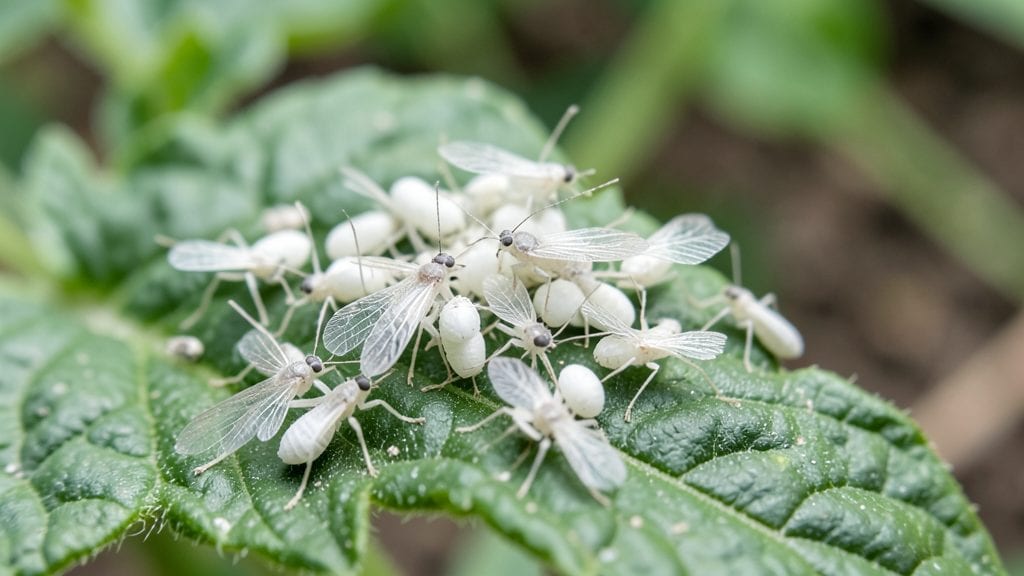
Whiteflies in garden can turn your lush plants into sticky, yellowing messes faster than you’d think. 🌿 I’ve battled these tiny white pests for years, and I’ve finally found organic sprays that actually knock them back without harming your plants—or your conscience.
The key isn’t just spraying; it’s timing, consistency, and knowing which plants need extra care.
These pests thrive on the undersides of leaves, sucking sap and leaving behind a shiny residue that attracts ants. Most store-bought sprays promise miracles but fail to address the root cause: a weakened plant or an overcrowded garden.
My go-to solutions—neem oil, insecticidal soap, and homemade garlic spray—work best when applied in the early morning or late evening, when whiteflies are most active and temperatures are cooler.
Within 3-5 days of consistent spraying, you’ll see fewer adults fluttering around, and new growth will look healthier. The real win? Your plants start bouncing back, producing more flowers and fruit without the sticky mess. Plus, you’ll attract beneficial insects like ladybugs and lacewings that keep whiteflies in check naturally.
This approach works for vegetables, herbs, and ornamentals alike, but delicate plants like basil or citrus may need gentler solutions. The secret is patience—whiteflies don’t disappear overnight, but with the right spray and a little persistence, your garden will be back to thriving in no time.
Root Causes of Whitefly Infestations
Whiteflies may seem like tiny, harmless pests, but their rapid multiplication and plant-damaging habits make them a persistent garden nuisance. Understanding why they thrive in your garden is the first step to preventing and controlling them effectively.
Below, we break down the key factors that turn your green space into a whitefly hotspot—so you can address the problem at its source.
Whiteflies are drawn to plants that are already struggling, whether from poor health, overcrowding, or environmental stress. Here’s why:
- Weakened Defenses: Plants under stress (due to drought, nutrient deficiency, or disease) produce less sap and fewer defensive chemicals, making them easier targets for whiteflies.
These pests detect weakened plants through volatile organic compounds (VOCs) released during stress. - Overcrowding: Dense plantings limit airflow and increase humidity, creating the perfect breeding ground for whiteflies.
Poor air circulation also slows down the evaporation of plant sap, which whiteflies love—it’s their food source! - Young or New Growth: New shoots and tender leaves are particularly vulnerable because they’re rich in sugars and proteins, which whiteflies crave.
This is why you might spot them clustering on fresh seedlings or new flushes of growth.
Actionable Tip: 💡 Prune plants to improve airflow, space them properly, and ensure they receive adequate water and nutrients. Healthy plants are less appealing to whiteflies!
Whiteflies thrive in specific environmental conditions, and if your garden matches their ideal habitat, they’ll stick around—and multiply.
- Temperature Preferences: Whiteflies flourish in warm temperatures, typically between 70–90°F (21–32°C). Cooler climates slow their lifecycle, but if your garden stays consistently warm, they’ll reproduce rapidly. - Humidity Levels: High humidity (above 60%) creates a moist environment that whiteflies adore.
This moisture helps their eggs stay hydrated and speeds up their development from egg to adult. - Greenhouse Effect: Greenhouses, polytunnels, or even dense foliage can trap heat and humidity, turning your garden into a whitefly paradise. These structures also provide shelter from natural predators and weather fluctuations.
Actionable Tip: ✨ If you’re in a hot, humid region, consider shade cloths to reduce heat and improve airflow. Avoid overwatering, especially in the evening, to lower humidity levels around plants.
In a balanced ecosystem, whiteflies face a gauntlet of natural enemies that keep their populations in check. But if these predators are missing, whiteflies can explode in numbers.
- Missing Beneficial Insects: Predators like **ladybugs, lacewings, parasitic wasps (e.g., Encarsia formosa), and minute pirate bugs feed on whitefly eggs, larvae, and adults.
Without them, whiteflies reproduce unchecked. - Pesticide Overuse**: Broad-spectrum chemical pesticides kill both pests and their natural predators, creating a vacuum that whiteflies rush to fill.
Even well-meaning gardeners can accidentally wipe out beneficial insects. - Monoculture Planting: Gardens with only one type of plant (e.g., a single tomato patch) offer fewer habitats for predator diversity. A diverse garden supports a wider range of beneficial insects.
Actionable Tip: 🌿 Introduce predator-friendly plants like dill, fennel, or alyssum to attract ladybugs and lacewings. Avoid chemical pesticides and opt for targeted organic sprays instead.
Whiteflies don’t just infest living plants—they also hide in garden debris, waiting for the right moment to strike.
- Old Plant Debris: Dried leaves, spent flowers, and dead plant matter harbor whitefly eggs and pupae.
These pests can overwinter in debris, emerging stronger in spring. - Weeds and Alternate Hosts: Weeds like purslane, pigweed, or milkweed often act as whitefly hosts, especially if they’re near your cultivated plants.
They provide a steady food source and breeding ground. - Infested Mulch or Soil: Whiteflies can hitchhike on contaminated mulch or soil, bringing their eggs into your garden unnoticed.
Actionable Tip: 🔥 Clear garden beds regularly, remove weeds, and compost plant debris properly (or dispose of it in sealed bags). Inspect new mulch or soil for signs of whiteflies before adding it to your garden.
Sometimes, whiteflies hit your garden because of human activity—specifically, through tools or new additions.
- Infested Garden Tools: Pruners, clippers, or even your hands can transfer whitefly eggs or adults from one plant to another. If you’ve worked in an infested area, you might unknowingly spread them. - Bought Plants: Many whitefly infestations start when gardeners bring home infected nursery plants.
These pests are often hidden under leaves or in stems, making them hard to spot during purchase.
Actionable Tip: 🛡️ Before bringing new plants home, inspect them thoroughly under leaves and in stems. Quarantine new additions for a few days and monitor them closely. Disinfect tools with rubbing alcohol after each use.
Whiteflies don’t just appear out of nowhere—they’re drawn to specific conditions in your garden. By addressing these root causes, you’ll make your space less inviting to them and more resilient against future infestations. The next step? Targeted organic solutions to kick them out for good!
Quick Fixes for Whitefly Infestations
Whiteflies may be tiny, but their damage can feel like a full-blown garden crisis. The good news? With the right approach, you can tackle them effectively—without harsh chemicals. Below, we’ve mapped common causes to practical solutions, so you can act fast and keep your plants thriving.
Whiteflies love weak, crowded plants because they’re easier to feed on. If your garden is packed with struggling foliage, these pests will move in like uninvited guests at a buffet.
How to Fix It:
- 🔥 Prune aggressively – Trim back overgrown or damaged leaves to improve airflow. Focus on the bottom and undersides of leaves, where whiteflies hide.
- 🌿 Thin out plants – Give your garden room to breathe. Space out seedlings and remove any plants that are yellowing, wilted, or overly dense.
- 💡 Pro Tip: If you’re dealing with container plants, repot them into larger pots to reduce stress.
Prevention:
- 🌡️ Monitor humidity – Whiteflies thrive in hot, humid conditions. Use a fan on low setting near plants to dry leaves faster and discourage infestations.
- ✨ Rotate crops – Avoid planting the same family (like tomatoes or peppers) in the same spot year after year.
That shiny, sticky residue on your plants? That’s honeydew, a whitefly byproduct that attracts ants—and more whiteflies. Left unchecked, it can lead to sooty mold, which blocks sunlight and weakens plants.
How to Fix It:
- 👨🍳 Blot off honeydew – Use a damp cloth or sponge to gently wipe leaves. Avoid harsh scrubbing, which can damage tender foliage.
- 🔪 Remove heavily infested leaves – If a leaf is covered in honeydew or mold, snip it off and dispose of it in a sealed bag (not the compost!).
- 🚿 Rinse plants with water – A strong spray from the hose (early in the day) can wash away honeydew and dislodge some whiteflies.
Prevention:
- 🎯 Keep ants away – Ants farm whiteflies for honeydew. Set out borax bait stations (mix borax, sugar, and water) or use diatomaceous earth around plant bases.
- 🌿 Use reflective mulch – Whiteflies are attracted to yellow. Silver or aluminum mulch can confuse and repel them.
Caught a few whiteflies early? Don’t panic—quick action can stop a full-blown outbreak before it starts.
How to Fix It:
- 🕵️♂️ Inspect daily – Check the undersides of leaves, especially on new growth. Whiteflies love young, tender leaves.
- 🍳 Yellow sticky traps – Hang yellow cards coated in petroleum jelly near plants. Whiteflies are drawn to yellow and get stuck.
- 🌿 Neem oil spray – Mix 1 tsp neem oil + 1 tsp mild soap + 1 quart water. Spray directly on leaves (especially undersides) every 5-7 days for 2 weeks.
Prevention:
- 💡 Quarantine new plants – Before bringing in new seedlings or cuttings, inspect them for whiteflies or eggs (tiny white specks on leaves).
- 🌡️ Avoid over-fertilizing – Too much nitrogen = soft, sugary leaves = whitefly buffet. Use a balanced fertilizer (like 10-10-10).
If your plants are covered in whiteflies, you’ll need a multi-step attack plan to regain control.
How to Fix It:
- 🔥 Introduce beneficial insects – Release ladybugs, lacewings, or parasitic wasps (like Encarsia formosa). These natural predators will devour whiteflies in days.
- 🍳 Homemade soap spray – Mix 1 tbsp castile soap + 1 quart water. Spray directly on whiteflies (they’ll drop off). Reapply every 3-4 days.
- 🌿 Cover plants with row fabric – For heavy infestations, drape fine mesh netting over plants for 2-3 weeks to suffocate adults.
Prevention:
- 🎯 Rotate organic sprays – Whiteflies can build resistance. Alternate between neem oil, insecticidal soap, and kaolin clay to keep them guessing.
- 🌡️ Solarize the soil – If whiteflies are in the soil or mulch, cover the area with clear plastic for 4-6 weeks in hot sun to kill eggs and pupae.
Final Thought: Whiteflies may be persistent, but with consistent action, you can outsmart them—without chemicals. Start with prevention, act fast at the first sign of trouble, and soon, your garden will be whitefly-free and flourishing! 🌱💚
Frequently asked questions about tiny garden pests
What are those tiny white bugs fluttering around my plants?
Those are likely whiteflies—small, white, moth-like insects that cluster on leaf undersides. They thrive in warm, humid conditions and feed on plant sap, leaving behind a sticky residue called honeydew. Look for yellowing leaves or black sooty mold as key signs of an infestation.
Why do whiteflies always return after I spray them?
Whiteflies often return because their eggs and pupae hide in protected areas like leaf undersides or garden debris. Sprays only kill visible adults, so you must treat the entire plant (including stems) and repeat applications every 5-7 days to break their lifecycle. Focus on neem oil or insecticidal soap for best results.
Can I use dish soap to kill whiteflies?
Yes! A homemade soap spray works well—mix 1 tablespoon mild dish soap (like Castile) with 1 quart water and spray directly on infested areas. The soap disrupts their waxy outer layer, causing them to dehydrate. Test on a small leaf first, as some plants are sensitive to soap residue.
What plants are most vulnerable to whiteflies?
Whiteflies love tender, fast-growing plants like tomatoes, peppers, eggplants, and citrus trees. They also target herbs such as basil and dill. Succulents and houseplants (like poinsettias) aren’t typically affected, but they can still serve as temporary hosts if nearby infested plants exist.
How do I prevent whiteflies from spreading to other plants?
Isolate infested plants immediately and inspect new purchases thoroughly. Quarantine new plants for 2 weeks before introducing them to your garden. Clean tools with rubbing alcohol after each use, and remove garden debris where eggs may hide. Beneficial insects like ladybugs can also help keep populations in check.