
Size
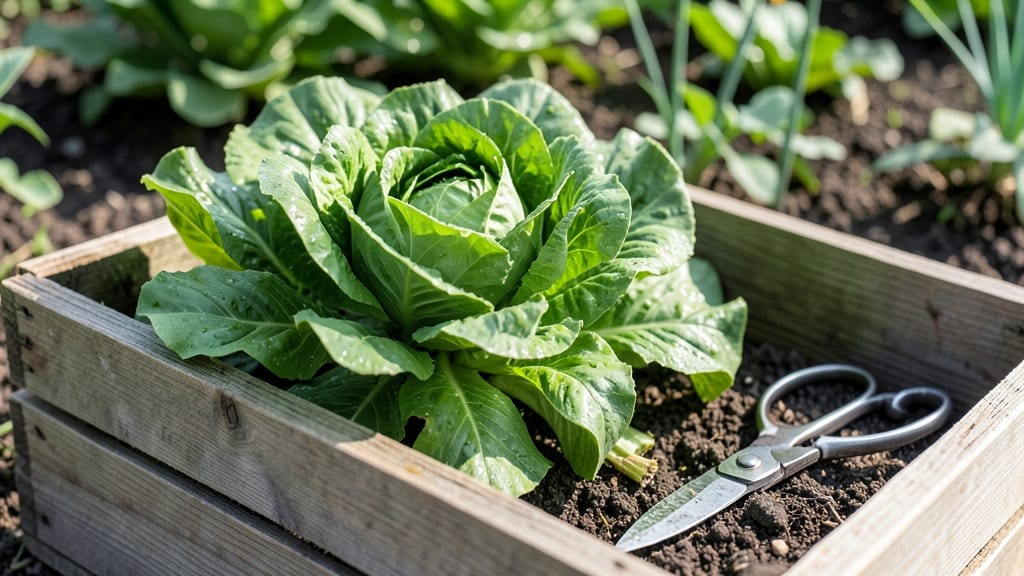
Victory gardens weren't just about growing food—they were a patriotic movement that turned backyards into battlefields for hunger. 🌱 The U.S. government launched aggressive campaigns like "Food Will Win the War," encouraging families to dedicate even small spaces to growing vegetables like tomatoes, potatoes, and cabbage.
By 1943, over 20 million gardens were producing 40% of the nation's fresh produce, easing rationing strains while keeping spirits high.
What made these gardens so impactful was their dual purpose: they addressed immediate food shortages while symbolizing collective sacrifice. Many families planted crops specifically requested by the government, knowing their efforts directly supported soldiers overseas.
The psychological boost of growing your own food during hard times can't be overstated—it gave people a sense of control and purpose during uncertain years.
💡 In This Article
- Victory Gardens and WWII Food Rationing Challenges
- How to Start a Modern Victory Garden Today
Victory gardens and WWII food rationing challenges
The U.S. government implemented strict rationing during WWII, limiting access to sugar (87% reduction), meat (30% reduction), and fats (20% reduction) by 1943. These restrictions weren't just about scarcity—they were strategic. With 40% of the nation's meat supply diverted to feed troops and allies, families faced empty shelves.
The government responded by launching the "Food Will Win the War" campaign, urging citizens to grow their own produce to ease pressure on commercial agriculture.
Victory gardens became a critical solution, producing 40% of the nation's fresh vegetables by 1944. The most prioritized crops were tomatoes (4.5 million tons), potatoes (1.5 million tons), and cabbage (1.2 million tons)—all high-yield, nutrient-dense vegetables that could be preserved through canning or root cellars.
These crops were chosen for their caloric density (potatoes: 77 calories per 100g) and storage longevity (cabbage lasts 2-3 months unrefrigerated), making them ideal for supplementing rations.
The psychological impact was just as significant. Families planted gardens as an act of patriotism, with 20 million gardens established nationwide. The government distributed free seeds and pamphlets, even encouraging urban dwellers to grow food in window boxes.
This collective effort wasn't just about survival—it was about restoring a sense of normalcy during a time of global conflict, proving that even small backyards could contribute to the war effort.
What made victory gardens so effective was their scalability and adaptability. Urban families grew radishes (ready in 25 days) and lettuce in containers, while rural families cultivated larger plots. The government even established "Victory Garden" radio programs featuring gardening tips from experts.
This dual approach—education + action—ensured maximum participation, turning civilians into an extension of the military's supply chain.
The impact on national food reserves was immediate. By 1944, victory gardens were producing 8 million tons of food annually, equivalent to 12% of all U.S. fresh produce.
This surplus allowed the government to redirect commercial crops to troops overseas, where nutrition was critical for maintaining morale and combat effectiveness. The success of victory gardens proved that decentralized food production could be just as powerful as large-scale agriculture during times of crisis.
One often-overlooked aspect was how victory gardens reduced transportation demands. During WWII, 25% of all shipping capacity was dedicated to moving food—victory gardens cut this need by keeping produce local.
This efficiency wasn't just practical; it was a strategic advantage that freed up ships for military operations, including the critical D-Day supply lines.