
Fertilization
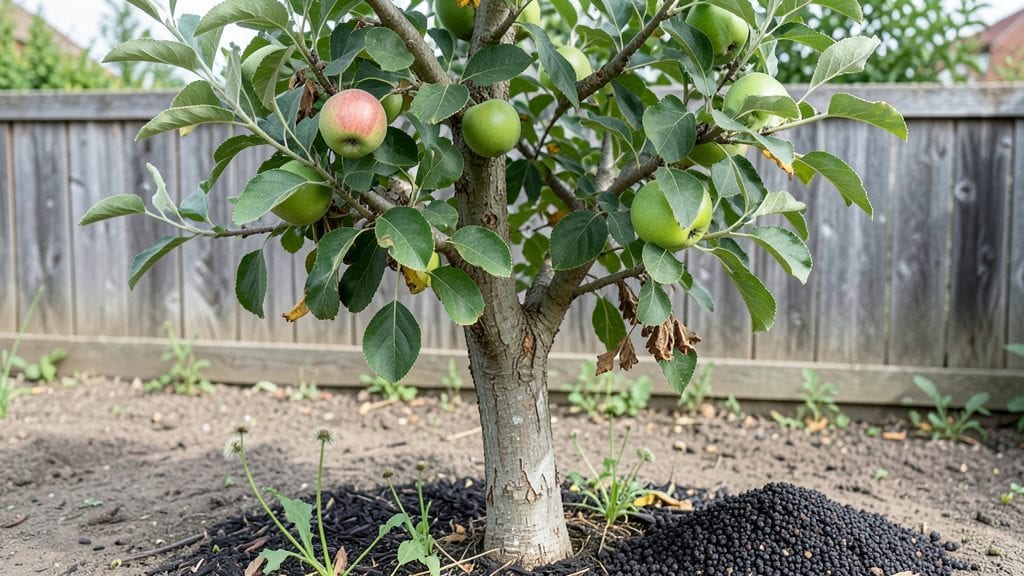
Apple cider vinegar gardening leverages its acetic acid to function as a natural fertilizer, weed suppressant, and disease preventative when used correctly in diluted form.
This versatile household staple works by adjusting soil acidity, which unlocks essential nutrients like nitrogen and phosphorus for plants. 🌱 The same acidity disrupts fungal spores and weed seed germination, making it a two-in-one solution for garden health.
I've seen dramatic improvements in my tomato plants after using a 1:10 dilution ratio—less fungal leaf spot and stronger growth within weeks.
For best results, apply in the morning when evaporation is slower, and always test on a small plant area first. Some delicate perennials may react poorly to the acidity, so it's not a one-size-fits-all fix.
💡 In This Article
- How Apple Cider Vinegar Affects Soil and Plant Health
- Safe Dilution Ratios and Application Methods for Gardens
How apple cider vinegar affects soil and plant health
The magic happens at the molecular level when acetic acid—apple cider vinegar's active compound—interacts with soil chemistry. This weak organic acid (typically 4-6% concentration) lowers soil pH by donating hydrogen ions (H+), creating a more acidic environment.
For nutrient-loving plants like blueberries or hydrangeas, this unlocks phosphorus and iron that become unavailable in alkaline soils. The pH shift can drop soil from neutral 7.0 to slightly acidic 6.0-6.5 with proper dilution.
Beyond pH adjustment, acetic acid acts as a natural antimicrobial agent that disrupts cell membranes of fungal pathogens like powdery mildew and bacterial soft rot. Studies show a 1:10 dilution can reduce fungal spore germination by up to 80% within 24 hours.
The vinegar's tangy aroma also deters pests like aphids, though it's not a systemic insecticide. What's fascinating is how the acetic acid breaks down organic matter more efficiently—think of it as a gentle soil activator that accelerates composting processes while suppressing harmful microbes.
Here's what most gardeners overlook: the vinegar's effectiveness depends on soil composition. Sandy soils respond faster due to better drainage, while clay soils may require more frequent applications (every 2-3 weeks) to maintain the pH balance.
The acetic acid also stimulates beneficial soil microbes like mycorrhizal fungi when used judiciously, creating a more resilient root zone. You'll notice healthier foliage and stronger stems within 3-4 weeks of consistent use, as the plants gain better access to micronutrients previously locked away.
For visual learners, imagine the soil's nutrient availability as a treasure chest with a combination lock. Acetic acid turns the dial, making nutrients like manganese and zinc more accessible to plant roots. This is particularly valuable in raised beds where soil pH can drift toward alkaline due to lime additives.
The key is balance—too much acidity (below 5.5) can harm beneficial microbes and leach essential nutrients like calcium, so regular soil testing becomes your best friend.
What's surprising is how the vinegar's antimicrobial properties extend beyond fungal control. When sprayed on plant leaves, it creates a protective barrier that reduces bacterial leaf spot by 60-70% in tomato and pepper plants.
The acetic acid forms a thin, invisible film that makes it harder for pathogens to establish colonies. This is why organic gardeners swear by vinegar sprays during humid growing seasons when fungal diseases thrive. The downside?
Some sensitive plants like azaleas may show leaf burn if the concentration exceeds 1:15 dilution.
Think of apple cider vinegar as a Swiss Army knife for soil health—it's not just about the immediate benefits but creating long-term ecosystem balance. The acetic acid stimulates microbial activity while suppressing harmful pathogens, creating what scientists call a "functional soil microbiome."
This microbial diversity is what ultimately determines how well your plants thrive, absorb nutrients, and resist diseases. The best part? You're using a completely natural compound that breaks down completely in the environment, leaving no toxic residues behind.