
Container Gardens
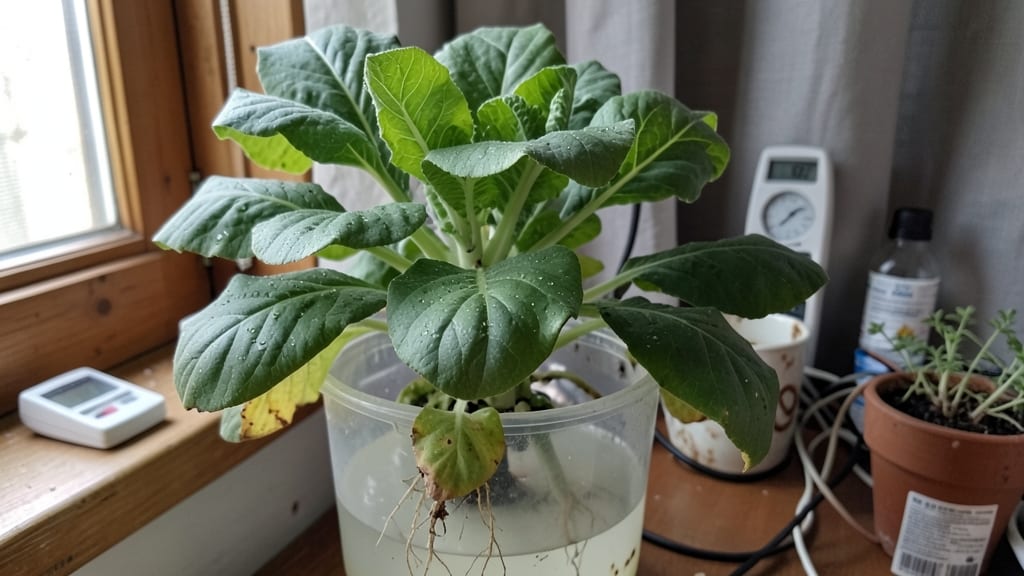
Hydroponic gardens are worth it for urban gardeners or those with limited space, delivering faster growth and higher yields than soil-based systems while using up to 90% less water, though initial setup costs and technical know-how can be barriers.
If you're growing in a small apartment or tight balcony, hydroponics can be a game-changer—plants mature 30-50% faster than in soil because they absorb nutrients directly through water, eliminating nutrient competition. 💫 The real magic happens in controlled environments where you can tweak light, humidity, and temperature, which is especially useful for leafy greens like lettuce or herbs that thrive in consistent conditions.
That said, the upfront investment in pumps, grow lights, and monitoring systems might feel steep for beginners.
Beyond speed, hydroponics also cuts water usage dramatically—no evaporation or runoff means you're only using what the plants need. This efficiency makes it a smart choice for eco-conscious gardeners or those in drought-prone areas.
However, the learning curve can be steep if you're new to managing pH levels or troubleshooting system failures, so I always recommend starting with simple setups like Kratky or deep water culture before diving into more complex recirculating systems.
💡 In This Article
- How Hydroponics Boosts Plant Growth Efficiency
- Cost-Benefit Analysis: Hydroponics vs Soil Gardening
How hydroponics boosts plant growth efficiency
The core advantage of hydroponics lies in its direct nutrient delivery system, where plants absorb minerals dissolved in water through their roots at a rate 10-20 times faster than in soil.
Unlike traditional gardening where roots must compete with microbes and fungi for nutrients, hydroponic systems provide a precise, uninterrupted nutrient flow tailored to each plant's needs.
For example, leafy greens like lettuce can absorb nutrients through their entire root surface area, which is fully exposed to the nutrient solution—this eliminates the "soil barrier" that slows uptake in conventional growing. 🌱
Root zone oxygenation is another game-changer. In soil, roots often struggle with compacted or waterlogged conditions that restrict oxygen flow, leading to stunted growth. Hydroponic systems use aeroponic misting or submerged culture to ensure roots receive optimal oxygen levels, which can increase growth rates by up to 30%.
The texture of hydroponic roots becomes denser and more fibrous, allowing them to absorb nutrients more efficiently. For instance, tomatoes grown hydroponically develop a root mass 2-3 times larger than soil-grown counterparts within the same timeframe, thanks to this oxygen advantage.
Controlled environments remove variables like pests, unpredictable weather, and soil-borne diseases, creating an ideal growing climate year-round.
LED grow lights tuned to specific wavelengths (like blue for vegetative growth and red for flowering) can replicate sunlight with 90% efficiency, while maintaining consistent temperature (70-75°F) and humidity (40-70%) eliminates stress factors.
This precision is why hydroponic basil grows 50% faster than field-grown basil while producing 3-4 times more leaves per plant in the same space. The sensory difference is striking—hydroponic herbs often have a brighter aroma and more vibrant color due to optimal growing conditions.
Yield comparisons highlight the efficiency gains. A 10-foot by 10-foot hydroponic system can produce 20-30 lbs of lettuce per month, while a comparable soil garden might yield only 5-8 lbs in the same time.
The space savings are equally dramatic: hydroponic strawberries can achieve 12-15 lbs per square foot annually, compared to 2-3 lbs per square foot in traditional soil beds. This vertical growing potential makes hydroponics ideal for urban spaces where square footage is premium.
However, the trade-off is that some plants (like root vegetables) still require soil for proper development, limiting hydroponics to leafy greens, herbs, and certain fruiting plants.
What most people overlook is how hydroponics eliminates nutrient waste. In soil gardens, only 10-30% of applied fertilizer is actually absorbed by plants—the rest leaches into groundwater. Hydroponic systems recirculate nutrient solutions, ensuring near-perfect absorption rates (often 90%+ efficiency).
This not only saves money on fertilizers but also reduces environmental runoff. The sensory payoff? Hydroponic-grown produce often has a crispier texture (like lettuce) and sweeter flavor (like strawberries) because plants aren't stressed by nutrient deficiencies or overwatering. 💫
The science behind this efficiency boils down to three key factors: nutrient precision, oxygen optimization, and environmental control. Together, they create a growing environment where plants can focus 100% of their energy on growth rather than survival.
For urban gardeners or commercial growers, this translates to faster harvests, higher quality produce, and minimal waste—making hydroponics a compelling alternative to traditional soil methods when space and resources are limited.