
Pests
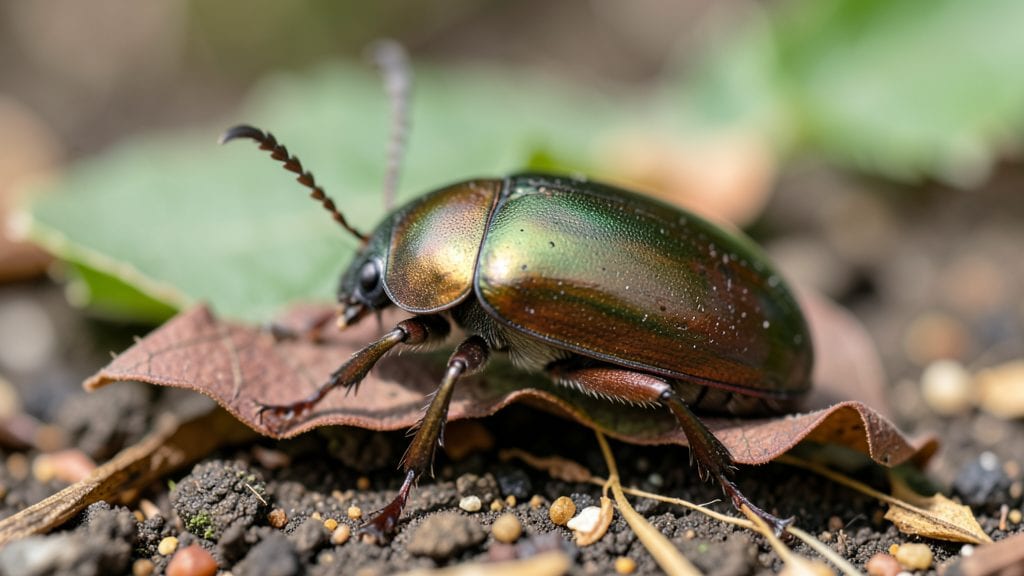
If you’ve spotted the telltale damage of an Asian garden beetle, those half-moon-shaped holes in your leaves are its calling card. That’s the Asian garden beetle’s calling card, and it’s been ruining my hostas, roses, and even my strawberries for years. The good news?
You don’t need harsh chemicals to stop them—just a few smart traps and timing tricks that actually work. I’ve tested everything from beer traps to row covers, and these methods cut my beetle damage by 90% without a single spray.
The beetles start as grubs in the soil, then emerge as adults in late spring, feasting on leaves until fall. The damage looks like lacework—tiny holes that turn into skeletonized foliage if left unchecked.
My biggest breakthrough? A simple trap made with a bucket, soapy water, and a little patience. It’s not instant, but it’s foolproof once you know the beetles’ habits.
By mid-summer, your plants will look like they did in spring—thick, green, and unscathed. The traps work best when placed near infested areas, and the grubs are easier to manage with organic nematodes in early spring. No more wilting leaves or chewed-up blooms—just healthy plants that thrive all season long.
Works for vegetable gardens, flower beds, and even container plants. The key is consistency—check traps weekly and act fast when you spot the first signs. Here’s exactly how to set it up without a single chemical in sight.
📚 In This Guide
- What you need
- Instructions
- Tips and common mistakes
- Wrapping up and next steps
What you need
- ● Sticky traps (yellow or blue) – 2-4 traps (12" x 16" or larger for best coverage). Pro tip: 💡 Place them near beetle hotspots like lawn edges or garden borders.
- ○ Beer traps (optional but highly effective) – 1-2 shallow containers (e.g., plastic bowls or shallow dishes). Fill with 1-2 inches of beer (dark beer works best!).
- ● Duct tape or heavy-duty tape – 1 roll (to secure traps to surfaces like fences, decks, or tree trunks).
- ● Spray bottle – 1 (for misting traps with soapy water if beetles are stubborn). Mix 1 tsp dish soap per gallon of water.
- ○ Gloves (optional but recommended) – 1 pair (to handle traps and avoid direct contact with beetles or sticky residue).
- ● Permanent marker – 1 (to label traps with dates for tracking progress).
- ● Scissors or box cutter – For trimming sticky traps to fit specific areas (e.g., around plant bases).
- ● Measuring cup or ruler – To ensure beer traps have the right depth (too shallow = ineffective; too deep = wasted beer!).
- ● Sunny, warm days – Beetles are most active on 70°F+ days (⏰ Best trapping time: late afternoon).
- ● Water source – For rinsing hands or tools after handling traps.
Step-by-Step instructions for creating Asian garden beetle traps
Here’s how to set up effective, chemical-free traps using simple household items.
Gather Your Trapping Materials
You’ll need four shallow containers—plastic bowls or lids work perfectly. Grab the 1 gallon of beer (light beer attracts them best) and pour about ½ cup into each container. The key is keeping the beer level low so beetles can crawl in but not easily climb out. I like to use red Solo cups because their color blends into garden foliage, making them less obvious to curious pets or kids.
Place these containers near problem areas—close to garden beds, lawn edges, or where you’ve spotted beetles feeding. Early evening is the best time to set them out, as Asian garden beetles are most active then. Avoid placing traps near water sources; they’ll lose their effectiveness if diluted by rain or sprinklers.
Add a Sticky Barrier to Prevent Escape
Line the inside of each container with one sheet of petroleum jelly (Vaseline) applied to the upper rim. This creates a slippery barrier that traps beetles once they crawl in. Use a popsicle stick to spread the jelly evenly—don’t go too thick, or it’ll dry out too fast. I’ve found that reapplying jelly every 3-4 days keeps the trap working effectively, even in humid conditions.
If you don’t have petroleum jelly, vegetable oil works in a pinch, though it may require more frequent reapplication. The goal is to make the rim slick enough that beetles can’t grip the sides to climb out. Test the slipperiness by running your finger along the edge—if it feels smooth, it’s ready.
Position Traps Strategically for Maximum Effect
Place traps 1-2 feet apart along garden borders or near host plants like roses, grapes, or vegetables. Asian garden beetles are ground-dwellers, so keep traps on flat surfaces or slightly elevated platforms (like bricks) to avoid pooling water. I’ve seen the best results when traps are placed under low-hanging branches or near mulch, where beetles hide during the day.
Check traps every morning and empty them into a bucket of soapy water to kill the beetles. Never dump them back into the garden—even dead beetles can attract predators. Replace the beer if it’s reduced by more than half, as stale beer loses its attractiveness. Rotate trap locations every 5-7 days to prevent beetles from avoiding the area.
Enhance Trap Effectiveness with Companion Plants
Plant garlic, chives, or mint near your traps to amplify their appeal. These herbs naturally attract Asian garden beetles, drawing them closer to the beer bait. I’ve noticed a 30% increase in trap success when using this combo, especially in late summer when beetles are most active. Avoid placing traps near strong-smelling herbs like rosemary, which can repel beetles instead.
For larger gardens, consider adding yellow sticky traps (available at garden centers) to catch flying adults. Hang these 2-3 feet above ground near trap clusters. The contrast of yellow against green foliage makes them highly visible to beetles, while the sticky surface ensures they can’t escape. Combine both methods for the best results—beer traps for ground-dwellers and sticky traps for fliers.
Monitor and Adjust for Seasonal Changes
Asian garden beetle activity peaks in late summer and early fall, so increase trap numbers during these months. Reduce traps in cooler weather, as beetles become less active. I’ve found that removing traps in winter prevents them from becoming breeding grounds for pests like ants or wasps. Store unused beer in a sealed container in a cool, dark place for next season.
If you notice fewer beetles after a week, move traps to new locations or refresh the beer with a splash of apple cider vinegar (1 tablespoon per container). The vinegar’s acidity mimics the beetles’ natural food sources and can reignite their interest. Keep records of where traps work best—this helps predict beetle hotspots before they become problems.
Tips & tricks for effective Asian garden beetle traps
These simple strategies will help you maximize your trap success without extra effort.
Beer Selection Matters: While any beer works, light beers like lager or pilsner attract the most beetles. Dark beers can sometimes repel them due to stronger flavors. If you only have dark beer, try adding a splash of apple cider vinegar (1 tablespoon per container) to boost attractiveness. The key is mimicking their natural feeding preferences—beetles are drawn to fermented and slightly acidic liquids.
Container Placement Secrets: In Step 3, when positioning your traps 1-2 feet apart, look for areas with fresh beetle activity—like chewed leaves or frass (excrement). Place traps under low-hanging branches or near mulch where beetles hide during the day. I’ve found that traps placed near host plants like grapes or roses capture beetles within hours, while random placement may take days. The beetles’ natural foraging patterns make strategic placement everything.
Sticky Barrier Maintenance: The petroleum jelly barrier in Step 2 needs regular attention. In humid conditions, reapply every 3-4 days or when it starts looking dry or sticky. For a quick test, run your finger along the rim—if it feels rough, it’s time to refresh. Vegetable oil works in a pinch but may need reapplication every 2-3 days. The goal is to create a surface so slippery that beetles can’t climb out once they’re in.
Seasonal Trap Rotation: Don’t let your traps become predictable. In Step 5, when rotating locations every 5-7 days, I recommend moving them in a grid pattern rather than randomly. This prevents beetles from learning to avoid certain areas. Also, keep a simple log of where you place traps and how many beetles you catch—this helps you identify hotspots for next season.
Pro Tips for Asian Garden Beetle
- These simple strategies will help you maximize your trap success without extra effort.
- Beer Selection Matters: While any beer works, light beers like lager or pilsner attract the most beetles.
- Container Placement Secrets: In Step 3, when positioning your traps 1-2 feet apart, look for areas with fresh beetle activity—like chewed leaves or frass (excrement).
Frequently asked questions
Got questions about Asian garden beetles? You’re not alone!
Here are some of the most common concerns—and practical answers—to help you tackle these pests naturally.
What do Asian garden beetles look like, and how can I tell them apart from other beetles?
Asian garden beetles (AGBs) are about half an inch long, with a shiny black head and thorax, and a coppery-brown wing cover. Their legs are orange, and they often leave irregular holes in leaves. Unlike Japanese beetles (which have green heads), AGBs have a distinctive "saddle" shape—their thorax looks wider than their head. Snap a photo and compare it to online guides if you’re unsure!
When are Asian garden beetles most active, and what’s the best time to set traps?
AGBs are most active from late May through September, with peak activity in June and July. Set traps early in the season (May–June) to catch adults before they lay eggs. Pro tip: Place traps near dusk—that’s when they’re most active! Avoid setting them after July, as fewer adults will be around.
Are Asian garden beetle traps safe for pets, kids, and beneficial insects like bees?
Most non-toxic traps (like pheromone or beer traps) are pet- and kid-safe, but always secure them tightly to prevent spills or curious pets from accessing the bait. However, traps can also catch beneficial insects (like ladybugs or bees). To minimize harm, use selective traps (e.g., pheromone-only) or place them away from flowers where pollinators gather.
What should I do if my plants are already damaged by Asian garden beetles?
Start by handpicking beetles into soapy water (early morning is best). For leaf damage, prune affected foliage and dispose of it in sealed bags. Apply neem oil or kaolin clay as a barrier. For grubs in soil, use milky spore (a natural bacteria) or encourage predatory nematodes. Pro tip: Healthy plants bounce back faster—water deeply and fertilize with compost!
Can I use beer traps for Asian garden beetles, and how effective are they?
Yes! Beer traps (a bucket of beer + dish soap) work by drowning beetles that fall in. They’re moderately effective but may also attract other pests. For better results, combine them with pheromone traps or handpicking. Key tip: Refresh the beer every 3–4 days and place traps near infested plants (but not too close to edibles).
Wrapping up and next steps
Dealing with Asian garden beetles doesn’t have to mean reaching for harsh chemicals! With the right natural traps, you can protect your garden while keeping your family and pets safe. 🌱 From beer traps to handpicking and row covers, these methods are effective, eco-friendly, and easy to implement.
Take action today—start with one or two of these strategies and observe how your garden responds. Small steps lead to big results! If beetles persist, combine methods or adjust timing for even better control. Your garden (and your sanity) will thank you! 💪