
Planting
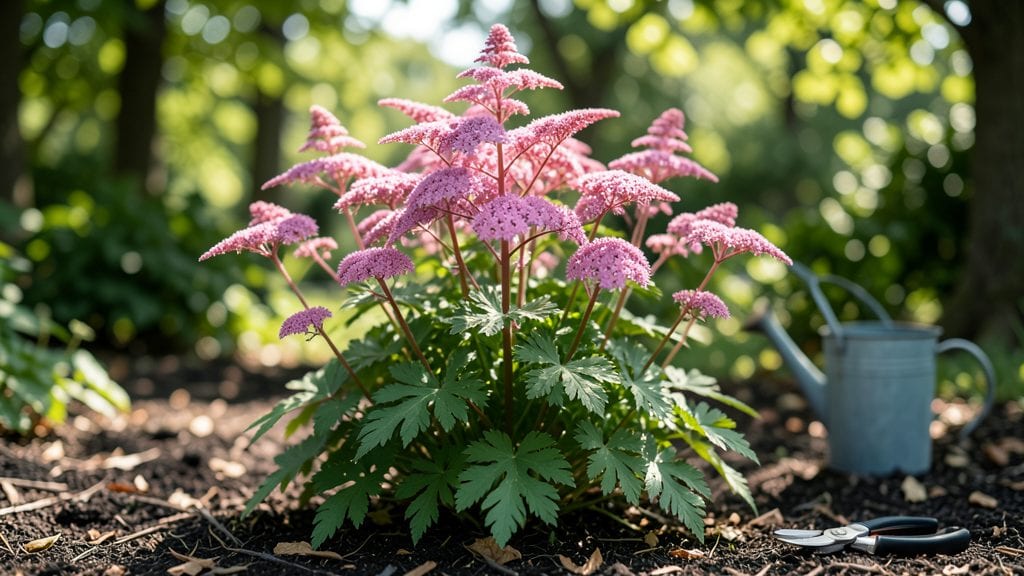
Astilbe garden plant transforms shady corners into soft, romantic displays with its feathery plumes that sway like delicate lace in the breeze. 🌿 I first fell for astilbe when I spotted a purple cloud spilling over a stone wall—it looked like a secret garden had bloomed overnight.
These plants thrive where others struggle, turning dim corners into vibrant focal points with minimal fuss.
The real magic happens in how you use them. Tuck astilbe along woodland borders, where their layered plumes create depth, or plant them in containers with hostas and ferns for a lush, layered look.
They pair beautifully with asters, brunnera, and Japanese painted ferns, creating a shade garden that feels like a fairy tale. The color options—pink, red, white, or lavender—let you match any palette.
Season after season, astilbe delivers interest: early foliage unfurls in spring, plumes burst in summer, and dried stems add texture through fall. Their airy habit prevents them from looking cluttered, making them perfect for small spaces or crowded borders. You’ll never regret adding these shade-loving stars to your garden.
Works equally well in formal gardens, cottage-style beds, or even as cut flowers for long-lasting arrangements. Here’s how to make them shine in your space—without the high-maintenance fuss. Let’s get planting!
📚 In This Guide
- What you need
- Instructions
- Tips and common mistakes
- Wrapping up and next steps
What you need
- ● Astilbe plants: Choose between bare-root (spring) or container-grown (spring/fall). For a full display, plan 3–5 plants per 5 sq. ft.
- ● Well-draining soil: Mix 1 part peat moss or compost with 2 parts native soil (or use pre-mixed moisture-retentive potting soil for containers).
- ● Organic mulch: 2–3 inches of shredded bark, pine needles, or straw to retain moisture.
- ● Slow-release fertilizer: 5-10-5 or 10-10-10 (1 tbsp per plant at planting time).
- ● Watering can or hose with a gentle nozzle: Astilbes love consistent moisture!
- ● Garden trowel or small spade (for digging holes 2x wider than the root ball).
- ○ Gloves (optional but recommended—astilbe roots can be delicate!).
- ● Garden fork (to loosen compacted soil before planting).
- ● Measuring tape or ruler (to space plants 12–18 inches apart for airflow).
- ● Partial to full shade location (dappled sunlight is ideal; avoid harsh afternoon sun).
- ● Epsom salt (1 tbsp dissolved in water) for a magnesium boost if leaves look yellow.
- ● Decorative rocks or pebbles to edge plantings and enhance garden aesthetics.
- ● Plant markers (to label varieties like ‘Fanal,’ ‘Glut’—each has unique plume colors!).
- ● Rain gauge to monitor soil moisture (astilbes wilt fast if dried out!).
Step-by-Step guide to planting and caring for astilbe
This shade-loving beauty thrives with minimal fuss—just follow these simple steps.
🌱 Step 1: Choose the Right Location and Prepare the Soil
Astilbe loves partial to full shade, so pick a spot that gets 2-4 hours of morning sun or dappled light all day. Avoid harsh afternoon sun, which can scorch the delicate plumes. I always test the spot by placing a white plate in the ground for a few hours—if it stays cool to the touch, it’s perfect.
Loosen the soil to a depth of 12 inches with a garden fork, breaking up any compacted layers. Astilbe roots spread wide but not deep, so focus on creating a loose, airy bed. Mix in 2-3 inches of compost to enrich the soil—this ensures your plants get the nutrients they need for those lush, feathery blooms.
🌿 Step 2: Plant Astilbe Crowns at the Right Depth
Dig holes 18-24 inches apart—this gives each plant room to grow without competing for space. The hole should be just as deep as the root ball, with the top of the crown sitting 1 inch below soil level. I always check by aligning the crown with the surrounding soil line before backfilling.
Fill the hole halfway with soil, then gently firm it around the roots to remove air pockets. Water deeply to settle the soil and encourage root contact. If planting in clay soil, add a handful of perlite to each hole to improve drainage—astilbe hates soggy roots.
💧 Step 3: Water Consistently and Mulch for Retention
Keep the soil evenly moist for the first 2-3 weeks—you’ll know it’s right when your finger sinks 1 inch deep without hitting dryness. After that, water 1-2 times per week, depending on rainfall, but never let the soil dry out completely. Drooping plumes are a sure sign of thirst.
Spread 2-3 inches of mulch around each plant, keeping it 2 inches away from the stems to prevent rot. I use shredded bark mulch because it breaks down slowly and keeps roots cool. Refresh the mulch layer annually—this locks in moisture and suppresses weeds, so you spend less time fussing with maintenance.
✂️ Step 4: Prune and Deadhead for Longer Blooms
Cut back faded plumes to the first set of healthy leaves in late fall or early spring. This encourages fresh growth and prevents seed production, which saps energy from the plant. I always use clean, sharp shears to avoid tearing stems—rusty or dull blades can introduce disease.
If your astilbe flops over, stake the tallest stems with 4-6 inch bamboo stakes before blooming season. Tie stems loosely with soft twine so they don’t snap in wind or rain. With proper support, your plumes will stand tall and proud all season.
🪴 Step 5: Divide and Refresh Every 3-4 Years
Dig up clumps in early spring or fall when the soil is workable but not frozen. Separate the roots into 3-5 inch sections, ensuring each has at least one strong shoot. Replant immediately in fresh soil—astilbe doesn’t like being left out of the ground for long.
This is also the perfect time to refresh the planting area. Remove old mulch, loosen the soil again, and mix in 1-2 inches of compost. The extra nutrients give your divided plants a strong start for the next growing season.
Tips & tricks for perfect astilbe planting and care
Here's what I've learned after years of growing these stunning shade plants—simple tricks that make all the difference.
Soil Preparation Secret: In Step 1, don't just loosen the soil—break up any clay clumps into rice-sized pieces. Astilbe roots need that airy texture to breathe. I also add a handful of coarse sand when amending clay soil—it improves drainage without changing the soil structure too much. The goal is to mimic the loose, well-drained conditions astilbe loves in its native woodland habitats.
Planting Depth Visual: When placing your astilbe crown in Step 2, use the soil line on the root ball as your guide. The top of the crown should sit just below where the soil meets the roots—this prevents crown rot while ensuring good root contact. I press my finger around the edges to check for any gaps that might trap air pockets.
Watering Hack: For that critical 2-3 week moisture period in Step 3, I use a simple rain gauge trick: place an empty tuna can near your plants. When it collects 1 inch of water from rainfall, you can skip your scheduled watering. This helps you match natural rainfall patterns perfectly, which is what astilbe prefers in its native environment.
Mulch Layer Strategy: When applying that 2-3 inch mulch layer in Step 3, create a slight depression around each stem first. This prevents water from pooling against the stems during rain, which is the #1 cause of crown rot. I use a small garden trowel to create these shallow moats—it takes 30 seconds per plant but makes a huge difference.
Pro Tips for Astilbe Garden Plant
- Here's what I've learned after years of growing these stunning shade plants—simple tricks that make all the difference.
- Soil Preparation Secret: In Step 1, don't just loosen the soil—break up any clay clumps into rice-sized pieces.
- Planting Depth Visual: When placing your astilbe crown in Step 2, use the soil line on the root ball as your guide.
Frequently asked questions
Got questions about growing and caring for astilbe? You’re not alone—this stunning shade-loving plant has a few quirks! Here are answers to the most common queries to help you cultivate lush, feathery plumes with ease.
When is the best time to plant astilbe?
Plant astilbe in early spring or early fall when soil temperatures are cool (50–60°F). Avoid planting in extreme heat or frost, as delicate roots can struggle. If you’re in a mild climate, fall planting gives roots time to establish before winter. Pro tip: Soak roots in water for 10–15 minutes before planting to reduce transplant shock!
How often should I water astilbe plants?
Keep soil consistently moist but not soggy—astilbe thrives in humidity! Water 1–2 times per week (more in hot/dry spells) and mulch around the base to retain moisture. Yellowing leaves often signal underwatering, while brown, crispy foliage may mean overwatering. Pro tip: Drip irrigation or soaker hoses work best to avoid wetting the feathery plumes, which can rot.
Can astilbe grow in full sun?
While astilbe prefers partial to full shade (2–6 hours of sun), some varieties (like Astilbe ‘Fanal’) tolerate morning sun with afternoon shade. In hot climates, full sun can scorch leaves. Test your spot: If it’s sunny for more than 4 hours daily, pair astilbe with taller shade-providing plants like hostas or ferns.
What pests or diseases commonly affect astilbe?
Astilbe is generally pest-resistant, but watch for:
- Slugs/snails: Ragged leaves? Set out beer traps or diatomaceous earth.
- Powdery mildew: White dust on leaves? Improve airflow and avoid overhead watering.
- Root rot: Yellowing stems? Ensure well-draining soil and reduce watering.
Pro tip: Neem oil spray can deter pests naturally while boosting plant health.
How do I make astilbe bloom longer?
To extend blooming season (typically June–August), deadhead spent flowers regularly to encourage new growth. Fertilize lightly with a balanced, water-soluble fertilizer (10-10-10) in early spring. For repeat blooms, trim back foliage by 1/3 after flowering—just avoid cutting into old wood. Bonus: Plant in groups for a dramatic, extended display!
What are some great astilbe companions?
Pair astilbe with shade-loving plants to create a layered, low-maintenance garden:
- Height contrast: Tall hostas or heucheras (for texture).
- Color pops: Bleeding heart (white/pink) or Japanese painted fern (silver-green).
- Ground cover: Ajuga or sweet woodruff to fill gaps.
Design tip: Use astilbe as a mid-height thriller in shade borders—its plumes will draw the eye!
Wrapping up and next steps
Astilbes are the perfect feathered stars for shade gardens, offering vibrant color and effortless beauty with minimal fuss.
Whether you’re a seasoned gardener or just starting, their adaptability and stunning plumes make them a must-have for adding texture and charm to your outdoor space. Ready to transform your garden? Grab your gloves, pick your favorite variety, and get planting—your shade garden will thank you!
🌱 Next step: Sketch a quick layout of your garden beds, mark where you’ll plant your astilbes, and pair them with complementary foliage or perennials for a cohesive look. Happy gardening! 🌿