
Landscaping
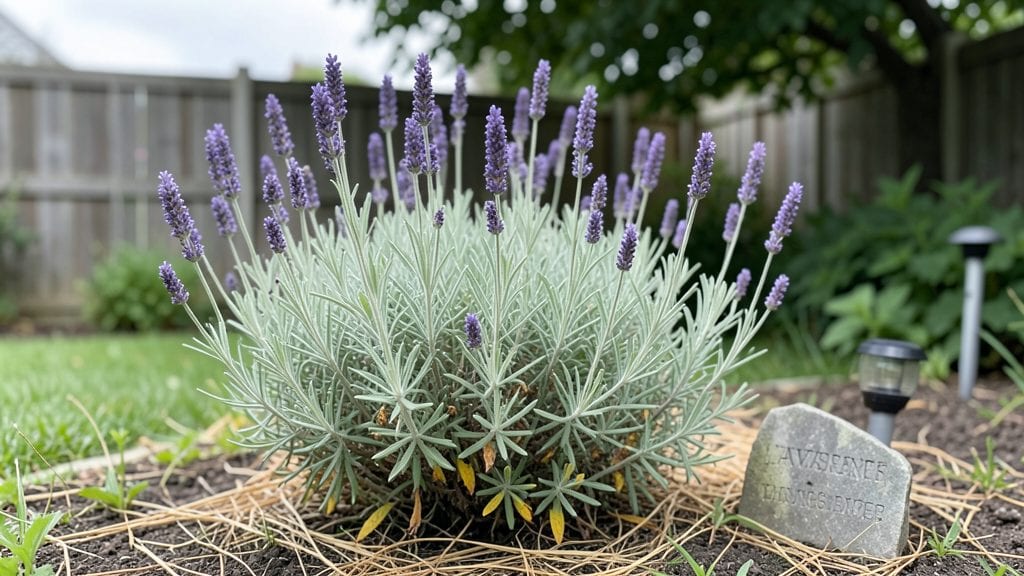
Transform your backyard with a thoughtful small memorial garden design, where nature and memory create a serene, intimate sanctuary.
I designed mine after losing my grandmother—what started as a single potted lavender plant grew into a peaceful corner where sunlight filters through delicate ferns and the scent of rosemary lingers like a hug. The key isn’t size, but intention: every stone, every plant tells a story.
Start with a focal point—a simple engraved bench, a smooth river rock, or a small tree like a dwarf Japanese maple. Surround it with low-maintenance plants that thrive in your light conditions: hostas for shade, lavender for sun, or ornamental grasses swaying in the breeze.
Pathways of stepping stones or mulch guide visitors through, creating a natural flow that feels intentional, not crowded.
You’ll end up with a space that feels like a living embrace—where the rustle of leaves whispers their name, and the colors of blooms mirror their favorite hues. The best part? It grows with you, adapting as seasons change and memories deepen. Let’s make it personal yet timeless.
This design works for any backyard nook, from a sunny corner to a shady alcove. The only rule? Make it yours—whether through handwritten notes tucked among plants or a single heirloom item placed where it catches the light just right. Nature remembers too, in its own quiet way.
📚 In This Guide
- What you need
- Instructions
- Tips and common mistakes
- Wrapping up and next steps
What you need
- ● Soil & Mulch: Topsoil (2–5 cubic feet, depending on garden size)
- ● Organic mulch (3–5 bags, 2–3 cubic feet each)
- ● Plants: Perennials (e.g., lavender, roses, or hostas—3–5 plants)
- ● Evergreens (e.g., boxwood or dwarf conifers—1–3 plants for structure)
- ● Ornamental grasses (1–2 clumps for texture)
- ● Decorative Elements: Memorial stones or engraved plaques (1–3, depending on design)
- ○ Small statues, figurines, or wind chimes (optional, for personal touch)
- ● Hand trowel (for planting)
- ● Garden gloves (1 pair)
- ● Pruners (for trimming)
- ● Wheelbarrow or garden cart (for hauling soil/mulch)
- ● Measuring tape & string (for layout)
- ● Shovel & rake (for soil prep)
- ● Watering can or hose with spray nozzle
- ○ Optional: Solar-powered garden lights (for evening ambiance)
- ● Sunlight assessment: Note your garden’s light exposure (full sun, partial shade, or full shade).
- ● Space planning: Sketch a rough layout (even a simple doodle helps!).
- ● Weather check: Best planting time is spring or fall for most climates.
- ● Permits (if applicable): Check local regulations for permanent structures or modifications.
Instructions for creating a meaningful backyard memorial garden
Transforming a small outdoor space into a peaceful tribute requires thoughtful planning and personal touches.
Choose a Quiet, Sunlit Location
Select a spot that feels natural for reflection—somewhere you'll visit often, whether it's near a window, under a tree, or along a quiet fence line. A 4-foot by 4-foot area provides enough space for seating and plants without overwhelming the yard. Observe the sunlight patterns throughout the day to determine how much sun your chosen plants will receive.
I like to sketch the space on paper first, marking where the sun hits at different times. This helps me visualize how shadows will shift and which plants will thrive in the selected area. If your space gets partial shade, opt for plants that tolerate dappled sunlight like hostas or ferns. For full sun, consider sunflowers or lavender that can handle the afternoon heat.
Prepare the Soil and Define the Space
Clear the area of weeds, rocks, or debris, then loosen the soil with a garden fork to a depth of 6 inches. This ensures roots can establish easily and water drains properly. If the soil is heavy clay or sandy, mix in 2 gallons of compost to improve fertility and moisture retention. Level the ground gently with a rake, creating a smooth surface for planting.
To define the space, lay down 4 feet of edging material like bricks, stones, or metal borders. This keeps the garden contained and prevents grass or weeds from encroaching. I often choose materials that complement the natural surroundings—like smooth river rocks for a rustic feel or simple pavers for a clean look. Leave enough room in the center for seating, a small table, or a focal point like a bench or statue.
Plant Memorial-Focused Flora
Incorporate plants that hold personal significance or symbolize remembrance, such as white roses for purity, sunflowers for joy, or lavender for calm. For a small space, I recommend 3-5 plants total, including a mix of perennials for longevity and annuals for quick color. Dig holes twice as wide as the root ball and as deep as the container, then place each plant gently, filling the hole with soil and pressing lightly to remove air pockets.
Arrange plants in odd-numbered groupings for visual balance—like three sunflowers in a triangle or five lavender bushes in a loose circle. Add mulch around the base to retain moisture and suppress weeds. I like to use 2 bags of shredded bark mulch, spreading it 2 inches deep over the soil. This also keeps the garden looking neat and intentional.
Add Personal and Practical Elements
Include meaningful touches like a small plaque with the loved one’s name, a wind chime for soft sounds, or a favorite book or ornament placed on a shelf. A 4-foot wooden bench or two chairs create a place to sit and remember. If space allows, add a small table for photos, candles, or seasonal decorations like pinecones in winter or fresh flowers in spring.
Consider adding a water feature, even a tiny tabletop fountain, to create soothing white noise. If that’s not possible, a solar-powered garden light can illuminate the space at night, making it a peaceful evening retreat. I always include at least one evergreen plant, like a dwarf boxwood, to provide year-round greenery and structure.
Maintain and Update Seasonally
Water newly planted areas deeply once a week for the first month, then taper off as plants establish. Check the soil 1 inch below the surface—if it’s dry, it’s time to water. Fertilize lightly in spring with a balanced, slow-release fertilizer to encourage healthy growth. Prune dead or overgrown branches in early spring to keep the garden tidy and encourage new growth.
Update the space seasonally with fresh flowers, seasonal decorations, or small changes like swapping out a summer blanket for a cozy throw in fall. I like to add winter interest with evergreens, dried grasses, or even a small bird feeder to keep the area lively year-round. Regular visits to tend the garden—even just weeding or watering—help keep the space alive and meaningful.
Tips & tricks for perfect small memorial garden design
Creating a meaningful memorial garden isn't about grand gestures—it's about thoughtful details that make the space uniquely yours. Here are the insights I've gathered from designing intimate outdoor tributes that feel both personal and serene.
Location is Everything: When selecting your 4-foot by 4-foot area in Step 1, consider how you'll use the space throughout the day. I recommend choosing a spot that gets morning sunlight—it creates a gentle, warm atmosphere for early morning visits. Also, position the garden where you'll naturally pass by it, so it becomes a daily reminder rather than a distant memory. Think about how shadows will shift during the day; a location near a tree might offer perfect shade in summer but full sun in winter, which affects plant selection.
Soil Preparation Pays Off: In Step 2, don't skip the 6-inch soil loosening—this is crucial for root establishment, especially in small spaces where every inch counts. If your soil is particularly heavy or sandy, those 2 gallons of compost will make all the difference. I've found that amending the soil with compost not only improves drainage but also helps retain moisture, which is especially important during the first month when you're watering deeply once a week. For an extra boost, consider adding a handful of bone meal to the planting holes—it provides phosphorus for strong root development.
Plant Arrangement Matters: When arranging your 3-5 plants in Step 3, think about creating a focal point that draws the eye naturally. I like to place the tallest plant—like sunflowers—at the back of the arrangement and shorter plants like lavender in front. This creates visual depth in your small space. Remember the odd-numbered groupings: three plants create a balanced triangle, while five form a natural circle. For that 2-inch layer of mulch, consider using a mix of shredded bark and pine needles—it not only looks attractive but also helps regulate soil temperature.
Personal Touches Make It Meaningful: In Step 4, the plaque with your loved one's name should be the centerpiece, but don't overlook smaller details that add character. I've seen gardens transformed by adding a small bird feeder nearby—it brings life to the space and creates a peaceful soundtrack. For seating, consider a curved bench instead of straight lines; it invites people to sit and linger. And if you're adding a water feature, even a simple solar-powered bubbler can create that soothing white noise without requiring maintenance.
Pro Tips for Backyard Small Memorial Garden Design
- Creating a meaningful memorial garden isn't about grand gestures—it's about thoughtful details that make the space uniquely yours.
- Location is Everything: When selecting your 4-foot by 4-foot area in Step 1, consider how you'll use the space throughout the day.
- Soil Preparation Pays Off: In Step 2, don't skip the 6-inch soil loosening—this is crucial for root establishment, especially in small spaces where every inch counts.
Frequently asked questions
about creating a small memorial garden in your backyard—because every detail matters when honoring someone special.What’s the best size for a small memorial garden?
A cozy memorial garden can thrive in as little as 4’x4’ (for a single urn or plaque) or 6’x6’ (for multiple items + seating). Focus on vertical space with trellises, layered plants, and wind chimes to maximize impact without sprawling. Pro tip: Measure your loved one’s favorite spot (like a porch or bench) to anchor the design!
When is the best time to plant a memorial garden?
Plant spring or fall for ideal growing conditions—avoid extreme heat or frost. If planting perennials (like lavender or hostas), prioritize early spring so they establish roots before summer. For instant gratification, opt for low-maintenance annuals (e.g., marigolds, pansies) that bloom quickly for a meaningful touch.
How can I personalize a small space with limited budget?
Skip pricey statues or fountains—focus on meaningful, low-cost touches:
- Handwritten poems on weatherproof plaques ($10–$20).
- Painted rocks or stepping stones (DIY with acrylic paint).
- Recycled items: Vintage teacups as planters or a family photo collage in a shadow box.
- Native plants (like wildflowers) cost less and attract pollinators.
How do I protect my memorial garden from weather or pests?
Use these low-effort safeguards:
- Mulch (3–4 inches) to retain moisture and deter weeds.
- Choose drought-resistant plants (e.g., sedum, yarrow) if watering is tricky.
- Add birdhouses or bat boxes to naturally control pests.
- For windy areas, plant tall grasses or shrubs as windbreaks.
If your garden is in full sun, shade cloth (draped lightly) can protect delicate items like fabric banners.
What if I don’t have a green thumb—what are the easiest plants to maintain?
Start with hardy, low-maintenance plants that thrive in most climates:
- Herbs (rosemary, thyme)—fragrant, drought-tolerant, and symbolic.
- Ornamental grasses (like fountain grass)—add movement with zero fuss.
- Succulents or sedum—survive neglect and add texture.
- Perennials (e.g., daylilies, coneflowers)—come back yearly with minimal care.
Pro tip: Group plants by water needs to simplify care!
Wrapping up and next steps
Creating a small memorial garden in your backyard is a deeply personal way to honor a loved one while embracing nature’s tranquility. Whether you choose serene plants, meaningful stones, or handcrafted touches, every detail tells a story of love and remembrance.
Start small—your space doesn’t need to be grand to feel profound.
Ready to bring your vision to life? Sketch a rough layout, gather a few key materials, and begin with one meaningful element at a time. Let this garden grow—not just in size, but in the peace and connection it fosters for years to come. 🌿✨