
Tools
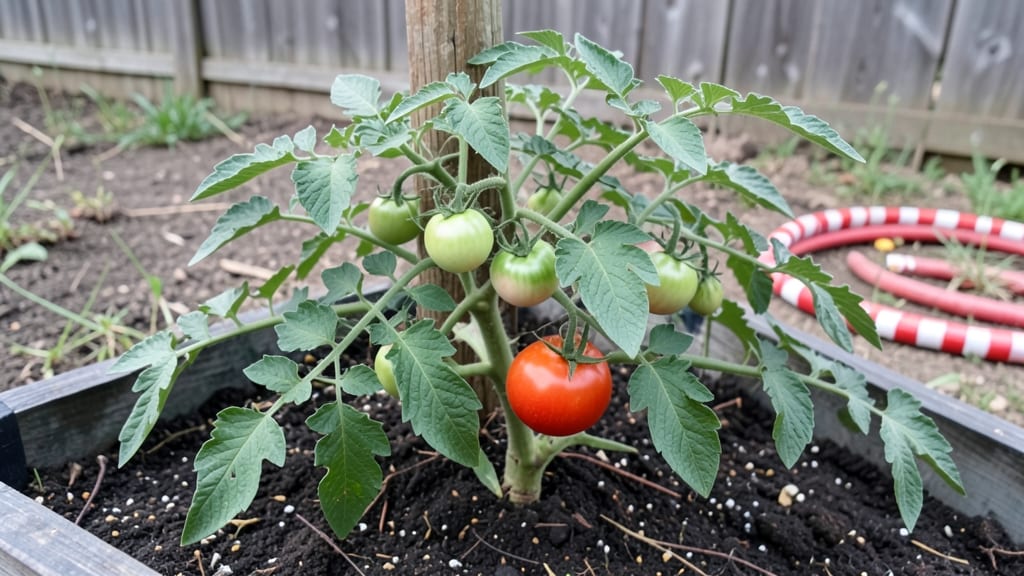
My backyard summer garden transformed after I swapped sun-loving annuals for shade-tolerant perennials that actually survive July’s heat. The difference? Plants that stay lush when others bolt, blooms that last from June through frost, and a space that feels inviting even on the hottest afternoons.
I’ll never go back to high-maintenance sun gardens again.
Start with a mix of hostas, astilbes, and ferns—they’re the workhorses of shade gardens, handling dry spells better than anything I tried. Add in a few bleeding hearts for early-season drama and coral bells for late-summer color.
The key is layering textures: glossy leaves next to feathery fronds, spiky astilbe plumes against rounded hosta foliage. It’s like building a living tapestry that changes with the seasons.
By mid-July, you’ll have a garden that thrives without constant watering or deadheading. The hostas stay vibrant even in 90-degree heat, astilbes rebound after rain, and ferns keep their delicate fronds without wilting.
Plus, you cut back on weeding—these perennials spread slowly but steadily, crowding out weeds naturally. The best part? Your neighbors will ask how you keep your garden looking so effortlessly cool.
Works for any shady spot—under trees, along north-facing walls, or even in containers on a covered patio. The same principles apply whether you’re designing a small corner garden or a sprawling woodland retreat. Let’s get those shade plants planted!
📚 In This Guide
- What you need
- Instructions
- Tips and common mistakes
- Wrapping up and next steps
What you need
- ● Shade-loving perennial plants: Choose from 5–10 varieties (e.g., hostas, ferns, astilbes, heucheras, or impatiens). Plan for 1–3 plants per square foot depending on size.
- ● High-quality potting soil or garden soil: 2–3 cubic yards (or enough to fill raised beds/planting areas). Opt for moisture-retentive, well-draining blends.
- ● Organic compost or fertilizer: 5–10 lbs (for enriching soil). Look for slow-release, balanced (10-10-10) or shade-specific formulas.
- ● Mulch: 2–3 bags (e.g., shredded bark or pine straw) to retain moisture and suppress weeds.
- ● Garden gloves: 1 pair (for protection while handling soil/plants).
- ● Hand trowel or transplant spade: 1 (for digging small holes).
- ● Watering can or hose with adjustable nozzle: 1 (for gentle, deep watering).
- ● Pruners or shears: 1 pair (for trimming dead foliage or shaping plants).
- ● Measuring tape or ruler: 1 (to space plants correctly).
- ● Raised garden beds: 1–2 (if your yard has poor drainage or uneven terrain). Use cedar or untreated wood for longevity.
- ● Drip irrigation system: 1 (for automated, efficient watering).
- ● Shade cloth (30–50% coverage): 1 roll (to filter harsh afternoon sun if partial shade exists).
- ● Decorative stones or pebbles: 1–2 bags (for pathways or borders).
- ● Plant labels: 10–20 (to track varieties and care needs).
- ● Knee pads or cushion: 1 (for comfort during planting).
Instructions for designing your backyard summer garden with shade-loving perennials
Here's how to create a lush, low-maintenance garden that blooms effortlessly through summer's heat.
Assess Your Shade Conditions
First, identify your garden's shade patterns throughout the day. Walk through your space at different times to note where sunlight falls and where dappled or deep shade persists. Most shade-loving perennials thrive in 4-6 hours of filtered light daily, but some tolerate full shade (less than 3 hours). Mark these areas with stakes or flags to plan your layout.
Pay attention to nearby trees, fences, or structures that cast shadows. Morning shade differs from afternoon shade—cool, moist conditions in the morning suit plants like astilbe, while afternoon shade (when ground stays cooler) works better for ferns. I always sketch a rough map to visualize where each plant will perform best.
Prepare the Soil for Moisture Retention
Shade-loving perennials prefer soil that stays consistently moist but never soggy. Amend your existing soil with 3 inches of compost to improve drainage and fertility. Work it into the top 6-8 inches of soil using a garden fork or tiller. For heavy clay soil, mix in 1 part perlite or coarse sand to every 2 parts soil to prevent compaction.
Test your soil's moisture level by squeezing a handful—it should hold together but not drip water. If it feels dry, water deeply before planting. Mulch the prepared beds with 2-3 inches of shredded bark or wood chips to retain moisture and suppress weeds. This step is critical because shade gardens often suffer from dry soil due to less evaporation.
Plant Perennials According to Height and Spread
Arrange plants in layers based on their mature size. Place taller perennials like hostas or astilbes (2-3 feet tall) at the back or center of the bed, medium-height plants like heucheras or lungworts (1-2 feet) in the middle, and low-growing options like ajugas or creeping phlox (6-12 inches) at the front. Space them according to their mature spread—typically 18-24 inches apart for most shade perennials.
Dig holes twice as wide as the root ball but only as deep as the container. Gently remove plants from their pots and loosen any circling roots with your fingers. Place each plant in its hole, ensuring the top of the root ball sits flush with the soil surface. Fill the hole with soil, pressing lightly to eliminate air pockets. Water deeply to settle the roots.
Water and Mulch for Season-Long Care
Water newly planted perennials deeply once a week for the first 4-6 weeks, ensuring moisture reaches 6 inches down. After establishment, most shade perennials need 1 inch of water weekly, but adjust based on rainfall. Water in the early morning to reduce evaporation and fungal risks. Avoid overhead watering, which can splash soil onto leaves and promote disease.
Reapply 2-3 inches of mulch annually in early spring to maintain moisture and regulate soil temperature. Choose organic mulches like shredded bark or leaf mold—they break down slowly and improve soil structure over time. This step saves time and keeps your garden looking neat while protecting roots from temperature swings.
Monitor and Maintain Through the Season
Check your garden weekly for weeds, especially in the first few months. Shade gardens can become weed magnets because less sunlight slows plant growth. Pull weeds by hand when small, or use a hoe to cut them off at the soil line. Fertilize lightly in early spring with a balanced, slow-release fertilizer (10-10-10) to encourage steady growth without excessive foliage.
Watch for signs of stress like yellowing leaves or stunted growth—these often signal overwatering or poor drainage. If leaves develop brown edges, reduce watering slightly. Deadhead spent blooms on perennials like bleeding heart or lungwort to encourage more flowers and tidy the appearance. By late summer, reduce watering gradually to prepare plants for dormancy if needed.
Tips & tricks for perfect backyard summer garden design
Creating a thriving shade garden takes more than just planting—it's about understanding the subtle details that make all the difference. Here are the insights I've learned from years of trial and error that'll help your shade-loving perennials flourish.
Shade Mapping is Non-Negotiable: Step 1 mentions assessing shade patterns, but here's what nobody tells you—morning shade behaves differently than afternoon shade. I've seen astilbe plants wilt in hot afternoon shade when they'd thrive in morning shade. Use a simple app or even a notebook to track sunlight patterns for a week before planting. This single step prevents years of frustration with struggling plants. The 4-6 hours of filtered light guideline is perfect for most shade perennials, but remember that's filtered light—not direct sun.
Soil Preparation Goes Deeper Than You Think: When Step 2 calls for working compost into the top 6-8 inches, don't just scratch it in—really dig it down. I use a broadfork to loosen the soil without turning it over, which preserves soil structure while improving drainage. For clay-heavy soils, I've found that mixing in perlite at a 1:2 ratio with the soil creates tiny air pockets that prevent compaction. This makes all the difference in root health, especially for moisture-loving perennials.
Plant Placement is an Art: The layering technique in Step 3 is brilliant, but here's the secret: leave room for growth. I always add 6-12 inches to the mature spread measurements when spacing plants. For example, if lungworts mature at 18 inches, I space them 30 inches apart. This prevents overcrowding as plants mature, which leads to competition for nutrients and increased disease risk. Also, place taller plants slightly toward the north side of your bed if you're in the northern hemisphere—their shade will protect smaller plants from harsh afternoon sun.
Watering Wisdom Saves Time: The 4-6 week deep watering schedule in Step 4 works, but here's how to make it even more effective. Use a rain gauge or tuna can to measure exactly 1 inch of water—eyeballing it often leads to overwatering. I water at the base of plants rather than overhead to prevent fungal diseases. And here's a pro tip: water in the early morning when temperatures are cooler, which reduces evaporation by up to 30% compared to watering in the afternoon.
Pro Tips for Backyard Summer Garden
- Creating a thriving shade garden takes more than just planting—it's about understanding the subtle details that make all the difference.
- Shade Mapping is Non-Negotiable: Step 1 mentions assessing shade patterns, but here's what nobody tells you—morning shade behaves differently than afternoon shade.
- Soil Preparation Goes Deeper Than You Think: When Step 2 calls for working compost into the top 6-8 inches, don't just scratch it in—really dig it down.
Frequently asked questions
What’s the best time to plant shade-loving perennials in summer?
For most shade-tolerant perennials like hostas, astilbes, or ferns, early spring or fall is ideal—but you can still plant in summer! Just water deeply 2–3 times a week and mulch heavily to retain moisture. Avoid extreme heat (midday sun), and choose cloudy days or late afternoon for transplanting. Pro tip: Soak roots in water for 10–15 minutes before planting to reduce shock.
How do I keep my shade garden from getting too hot or drying out?
Shade gardens still need care! Mulch (2–3 inches of wood chips or straw) locks in moisture and cools roots. Water early morning (before 10 AM) to prevent evaporation, and avoid overhead sprinklers that can promote fungal issues. Group plants with similar water needs (e.g., heucheras with foamflowers) for efficiency. Bonus: Drip irrigation systems save time and water!
Can I grow edible plants in a shade garden, or is it all ornamentals?
While full sun is best for tomatoes or peppers, shade-friendly edibles like lettuce, spinach, kale, and strawberries thrive in partial shade. Herbs such as mint, cilantro, and parsley also do well. Just ensure they get at least 4–6 hours of dappled light. Try: Growing microgreens in containers under trees—they’re fast, nutritious, and love cool, shady spots!
Why are my shade perennials wilting or turning yellow?
Yellowing leaves or wilting often signal overwatering, underwatering, or fungal issues. Check soil moisture—it should feel damp but not soggy. Yellow edges? Likely too much sun or salt buildup (rinse roots if using tap water). Mushy stems? Root rot from poor drainage. Adjust watering, improve airflow, and amend soil with compost. Prevent: Space plants properly (3–6 inches apart) to reduce humidity-related diseases.
What if my yard has too much shade—can I still garden?
Yes! Even deep shade (under trees or north-facing walls) can support a garden. Opt for low-light perennials like Japanese painted ferns, lungwort, or bleeding heart. For ground cover, try ajuga or wild ginger. If space is tight, vertical gardens (hanging baskets or trellises) maximize growing area. Light tip: Reflect sunlight with light-colored fences or mirrors to brighten shady spots slightly.
Wrapping up and next steps
Creating a backyard summer garden with shade-loving perennials is easier—and more rewarding—than you think! 🌿 These hardy plants not only survive the heat but also bring beauty and life to your space all season long.
Whether you’re a seasoned gardener or just starting out, this guide gives you the tools, tips, and confidence to cultivate a thriving, low-maintenance oasis.
Now that you’re armed with the best perennials, planting tips, and answers to common questions, it’s time to roll up your sleeves! Start small—pick one or two plants to test the waters, then expand as you gain confidence.
Before you know it, your backyard will be a lush, shady retreat that’s the envy of the neighborhood. Happy gardening! 🌱