
Tools
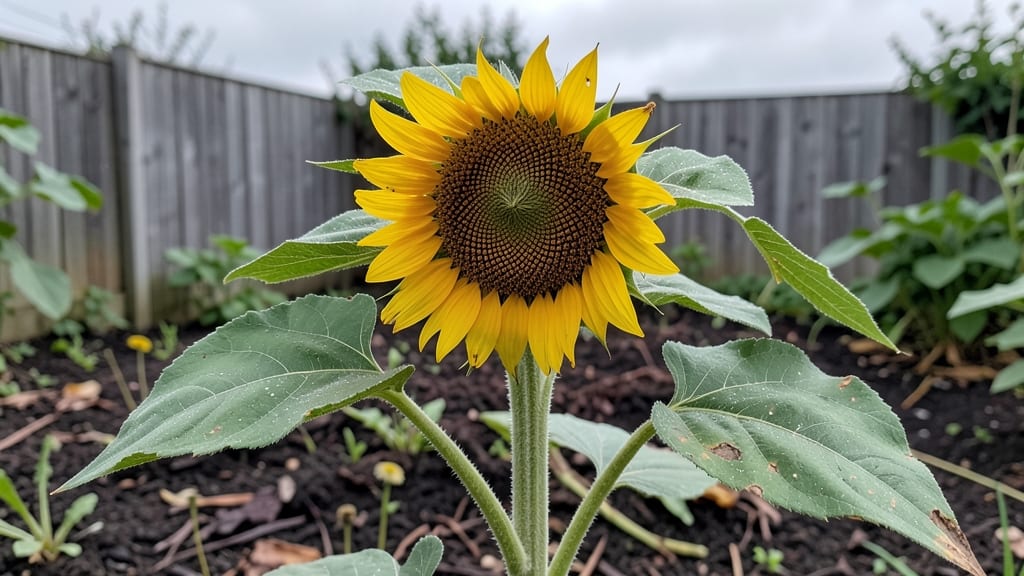
A backyard sunflower garden transforms empty space into a pollinator paradise with towering stems and golden blooms that catch every summer breeze.
I started mine in a corner of the yard where nothing seemed to thrive, and within weeks, the vertical drama of sunflowers became the centerpiece of our outdoor space. The key isn’t just planting seeds—it’s designing for height, color, and seasonal interest so the garden feels alive all year.
You’ll need sunflower varieties that range from 3-foot dwarf types to 12-foot giants, plus companion plants like cosmos and marigolds to fill gaps and attract bees. My layout uses shorter varieties near the house and taller ones toward the back, creating natural layers that frame our patio perfectly.
The soil mix is simple: compost, a little sand, and a slow-release fertilizer to fuel those hungry stems.
By midsummer, you’ll have a golden cascade of blooms that shift from vibrant yellow to deep bronze as they mature. Hummingbirds hover at the edges while bees buzz between petals, and the rustling stems create a soothing soundtrack for lazy afternoons.
The best part? Sunflowers self-seed, so each year the garden grows even more dramatic without extra work.
Perfect for small backyards or large plots, this design works in containers too—just adjust the spacing. Whether you’re a beginner or a seasoned gardener, sunflowers bring effortless beauty that keeps giving long after the blooms fade. Let’s get those seeds in the ground!
📚 In This Guide
- What you need
- Instructions
- Tips and common mistakes
- Wrapping up and next steps
What you need
- ● Sunflower seeds: Choose a mix of varieties (e.g., Mammoth, Autumn Beauty, or Teddy Bear for diversity). Aim for 20–50 seeds depending on garden size.
- ● Well-draining soil: Test your soil’s pH (ideal: 6.0–7.5). Amend with compost if needed (2–3 inches mixed into the top 6–12 inches of soil).
- ● Watering can or hose: With a gentle spray nozzle to avoid displacing seeds.
- ○ Garden gloves: (Optional but helpful for handling soil and seeds comfortably.)
- ● Stakes or trellis: (For tall varieties like Mammoth, use 6–8 ft stakes or a sturdy trellis.)
- ○ Organic fertilizer: (Optional but recommended for nutrient boost. Use a balanced 10-10-10 or low-nitrogen formula.)
- ● Mulch: Straw or wood chips to retain moisture and suppress weeds (2–3 inches after planting).
- ● Bird feeders or seed pods: For extra pollinator appeal (bonus: sunflowers attract birds and bees!).
- ● Decorative elements: Painted rocks, solar lights, or a small bench to enhance your garden’s charm.
- ● Seed-saving kit: For preserving seeds from your sunflowers year after year.
Step-by-Step instructions for planting a backyard sunflower garden
Here’s how to create a vibrant sunflower garden that thrives all season long.
Choose Your Sunflower Varieties and Planting Location
Sunflowers come in heights from 3 feet to 12 feet, so plan your layout carefully. For a pollinator-friendly garden, mix dwarf varieties (2-4 feet) along the front with tall types (6-12 feet) toward the back. The ideal spot gets full sun (6-8 hours daily) and has well-draining soil. If your yard has heavy clay, amend the soil with 2-3 inches of compost before planting.
I always plant in early spring (after the last frost) or late summer for a fall bloom. Check your local frost dates—sunflowers grow best in warm soil (60°F or above). If planting in containers, use 5-gallon pots for dwarf varieties and 15-gallon pots for tall types, ensuring each has drainage holes.
Prepare the Soil and Plant Seeds
Loosen the soil to a depth of 12 inches with a garden fork or tiller, breaking up any compacted layers. Scatter 1-2 seeds per hole at a depth of 1 inch, spacing dwarf varieties 12 inches apart and tall types 24 inches apart. Sunflower seeds germinate quickly—5-10 days—so keep the soil consistently moist (not soggy) until sprouts appear.
If you’re planting in rows, leave 3 feet between rows for easy maintenance. Avoid overcrowding; sunflowers need room to grow strong stems. Water deeply once a week after germination, focusing on the base of the plant to encourage deep root growth. Mulch around the base with 2 inches of straw to retain moisture and suppress weeds.
Provide Support and Maintain Healthy Growth
Tall sunflowers (6+ feet) often need staking to prevent toppling in wind or rain. Install 3-foot bamboo stakes or metal garden supports at planting, securing the stem loosely with soft ties as it grows. Avoid tying too tightly—sunflowers need flexibility to sway naturally, which strengthens their stems.
Fertilize lightly 4-6 weeks after germination with a balanced 10-10-10 fertilizer (follow package rates). Over-fertilizing leads to weak stems and fewer blooms. Watch for aphids or spider mites—spray affected leaves with neem oil if you spot sticky residue or tiny webs. Deadhead spent blooms to encourage more flowers, but leave some for pollinators.
Harvest and Enjoy Your Sunflower Garden
Sunflowers reach maturity 80-120 days after planting, depending on the variety. Harvest seeds by cutting the flower head when the back turns yellow and the petals droop. Hang heads upside down in a dry, well-ventilated space for 2-3 weeks to dry completely. Remove seeds by rubbing the head or threshing by hand—store in a cool, dry place for next year’s garden.
For cut flowers, harvest when 10-20% of petals open—this extends vase life to 7-10 days. Leave some blooms in the garden to attract bees, butterflies, and hummingbirds. After the first frost, cut back dead stalks to 6 inches tall and add compost to the soil. Many sunflower varieties self-seed, so you’ll likely see new sprouts next spring with minimal effort.
Tips & tricks for perfect backyard sunflower gardens
Creating a thriving sunflower garden takes more than just planting seeds—these practical tips will help you avoid common pitfalls and maximize your pollinator haven's potential.
Soil Temperature Matters: The 60°F soil temperature requirement in Step 1 is critical because sunflower seeds need warmth to germinate properly. If your spring soil is still cool, consider using black plastic mulch to warm it up faster. I’ve found that planting in late May or early June often gives me warmer soil right from the start, especially in cooler climates. This simple step can mean the difference between quick germination and waiting weeks for sprouts to appear.
Planting Depth and Spacing: In Step 2, planting seeds just 1 inch deep might seem shallow, but sunflowers actually need good air circulation around their roots. If you plant too deep, they’ll struggle to push through the soil. The 12-inch spacing for dwarf varieties and 24-inch spacing for tall types might seem generous, but it prevents overcrowding which leads to weak stems and fewer blooms. Trust me on this—your sunflowers will thank you with stronger growth and more vibrant flowers.
Watering Wisdom: The once-a-week watering guideline in Step 2 works well, but how you water matters just as much. Focus on deep watering at the base of the plant rather than light sprinkling. This encourages deep root growth, making your sunflowers more drought-resistant. I’ve seen many gardens fail because they watered too frequently but not deeply enough, leading to shallow roots that can’t support the plants’ height.
Support System: When it comes to staking tall varieties in Step 3, don’t wait until they’re already leaning. Install those 3-foot bamboo stakes at planting time and loosely tie the stems as they grow. The key is to allow some movement—sunflowers need to sway naturally to develop strong stems. I learned this the hard way after watching several plants snap in a summer storm because they were tied too tightly.
Pro Tips for Backyard Sunflower Garden
- Creating a thriving sunflower garden takes more than just planting seeds—these practical tips will help you avoid common pitfalls and maximize your pollinator haven's potential.
- Soil Temperature Matters: The 60°F soil temperature requirement in Step 1 is critical because sunflower seeds need warmth to germinate properly.
- Planting Depth and Spacing: In Step 2, planting seeds just 1 inch deep might seem shallow, but sunflowers actually need good air circulation around their roots.
Frequently asked questions
Got questions about growing your own backyard sunflower garden? Here are some of the most common ones—and their answers—to help you cultivate a thriving pollinator paradise with ease!
When is the best time to plant sunflowers for a continuous bloom?
For year-round beauty, start with early spring plantings (March–April) in cooler climates (Zones 3–6) and late winter/early spring (February–March) in warmer zones (7–10). Succession planting every 3–4 weeks ensures blooms from summer through fall. Just keep an eye on frost dates—sunflowers hate cold snaps!
Can sunflowers attract pests like squirrels or birds? How do I protect them?
Sunflowers are a buffet for wildlife, but that’s part of the fun. To deter pests, try bird netting over young plants or deer-resistant varieties like ‘Autumn Beauty.’ For squirrels, plant tall varieties (6+ ft) in clusters—they’ll go for the low-hanging seeds first. Embrace the chaos; pollinators need these visitors!
How often should I water sunflowers, and do they need special soil?
Sunflowers are drought-tolerant once established, but deep water 1–2 times per week during dry spells (especially in the first 2 weeks). They thrive in well-draining soil with average fertility—no fancy amendments needed! Amend heavy clay with compost, and avoid soggy spots. Pro tip: Mulch to retain moisture and suppress weeds.
What if my sunflowers wilt or droop? Is it too late to save them?
Wilting can mean overwatering, underwatering, or root rot. Check the soil—it should be dry 1–2 inches down between waterings. If roots are mushy, trim affected areas and repot if potted. For heat stress, provide afternoon shade temporarily. Most sunflowers bounce back with proper care—don’t give up!
Are there dwarf sunflowers for small spaces or containers?
Yes! Try ‘Teddy Bear’ (1–3 ft) or ‘Moulin Rouge’ (2–4 ft) for patios or balconies. Even ‘Sunspot’ (1–2 ft) thrives in containers with 5-gallon pots. Just ensure containers have drainage holes and use a lightweight potting mix. Bonus: Dwarf varieties often rebloom!
Can sunflowers survive winter, or should I replant every year?
Sunflowers are annuals in most climates, but their seeds (and stalks!) provide winter interest. In Zones 5–7, cut back dead foliage in late fall and mulch heavily. Some hardy varieties (like ‘Russian Mammoth’) may resprout in spring from roots. For guaranteed blooms, replant yearly—it’s easy and rewarding!
Wrapping up and next steps
Creating a backyard sunflower garden is more than just a gardening project—it’s a celebration of nature’s beauty and a gift to local pollinators. 🌻 With the right tools, a little patience, and a passion for sustainability, you’ve got everything you need to cultivate a vibrant, thriving haven that brings joy year-round.
Ready to take the next step? Start small—plant a few seeds this weekend—and watch your garden bloom into a sunlit sanctuary. Your pollinator friends (and your neighbors!) will thank you.