
Fertilization
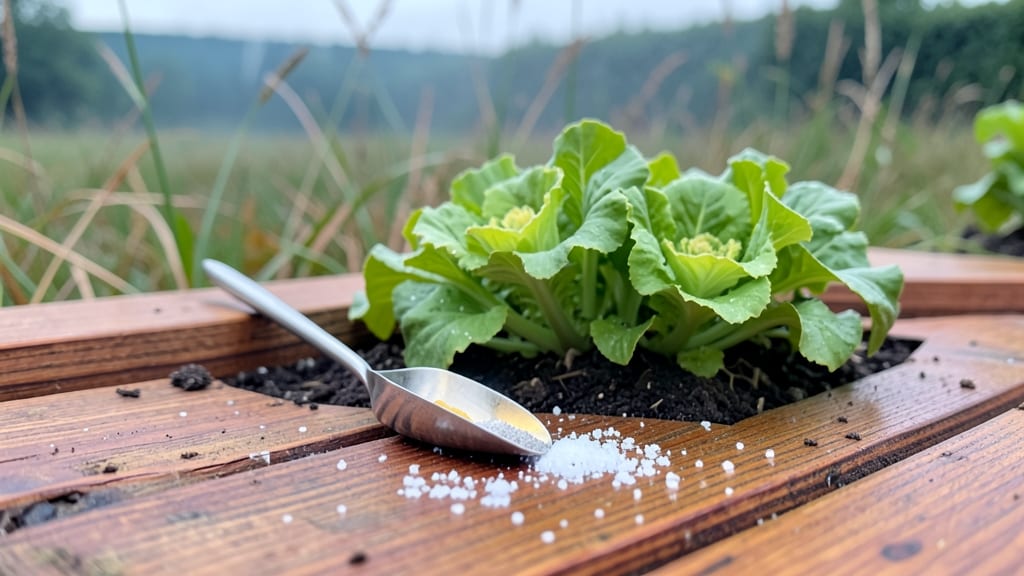
Adding baking soda to garden soil can adjust pH levels and reduce acidity, but it requires careful dosing to avoid damaging plants by throwing off nutrient balance and disrupting soil chemistry. Always test your soil first and measure application rates precisely.
Baking soda works by neutralizing acidity through a simple chemical reaction—it reacts with hydrogen ions in the soil to form water and carbon dioxide, effectively raising the pH. 💫 However, this adjustment isn't one-size-fits-all: most vegetables thrive in slightly acidic to neutral soil (pH 6.0–7.0), while blueberries need the opposite (pH 4.5–5.5).
Overcorrecting can lock out essential nutrients like iron or manganese, leaving plants yellow and stunted. I’ve seen gardeners accidentally turn their soil alkaline enough to kill acid-loving plants like azaleas by using too much.
For best results, start with a soil test kit (available for under $20) and apply no more than 1–2 teaspoons per square foot for highly acidic soil. Mix it lightly into the top 2–3 inches, then water thoroughly to distribute it evenly.
If you’re unsure, safer alternatives like crushed limestone or wood ash (for alkaline shifts) or sulfur (for acidification) give you more control without the risk of overdoing it.
💡 In This Article
- How Baking Soda Affects Soil pH and Plant Health
- Safe Application Rates and Alternative Soil Amendments
How baking soda affects soil pH and plant health
When you sprinkle baking soda (sodium bicarbonate) into acidic soil, it triggers a chemical reaction that neutralizes excess hydrogen ions. The formula NaHCO₃ dissociates into sodium (Na⁺) and bicarbonate (HCO₃⁻) ions, which then react with acidic soil particles (H⁺ ions) to form carbonic acid (H₂CO₃).
This compound quickly breaks down into water and carbon dioxide gas, effectively removing hydrogen ions from the soil solution and raising the pH. 🔥 The process is similar to how antacids work in your stomach, but on a microscopic scale across your entire garden bed.
This pH adjustment directly impacts nutrient availability because most essential minerals—like iron, manganese, and phosphorus—become less soluble in alkaline conditions. For example, phosphorus, which plants need for energy transfer, becomes locked in soil particles when pH exceeds 7.5.
Meanwhile, nitrogen (critical for leaf growth) remains more available in slightly acidic to neutral ranges (6.0–7.0). The key factor is timing: sudden pH spikes can stress roots by disrupting their ability to absorb water and nutrients, leading to wilting or yellowing leaves even if the soil looks moist.
Different plants have specific pH preferences that affect their health. Most vegetables (tomatoes, peppers, lettuce) prefer 6.0–7.0, while acid-loving plants like blueberries and hydrangeas thrive at 4.5–5.5.
Baking soda’s alkaline boost can push soil into ranges where these plants struggle—blueberries, for instance, may develop chlorosis (yellow leaves) if the pH rises above 6.0. The sodium ions from baking soda can also accumulate over time, potentially causing salt buildup that harms delicate root systems.
Here’s what’s actually happening at the microscopic level: Baking soda’s bicarbonate ions bind with aluminum and iron oxides in acidic soil, forming insoluble compounds. While this reduces toxicity for some plants, it also removes these micronutrients from the soil solution, creating deficiencies.
For example, iron deficiency (common in alkaline soils) causes interveinal chlorosis—a telltale yellowing between leaf veins—because plants can’t uptake enough Fe³⁺ ions. 💫 This is why gardeners often see mixed results: what fixes one plant’s acidity problem can create another elsewhere in the garden.
Consider these key factors when adjusting pH with baking soda:
- Soil type: Sandy soils respond faster to amendments than clay because they drain quicker, requiring more frequent (but smaller) applications.
- Plant sensitivity: Acid-lovers like azaleas or rhododendrons may suffer permanent damage from even slight pH increases.
- Organic matter: Compost-rich soils buffer pH changes better, reducing the need for chemical amendments.
The long-term effects depend on how you apply it. A single application may raise pH temporarily, but organic matter and rainfall will gradually restore balance. However, repeated use can create a lasting alkaline shift that requires sulfur or peat moss to correct.
For most gardeners, baking soda is best used as a spot treatment—not a systemic solution—for highly localized acidity issues. 🌱