
How To
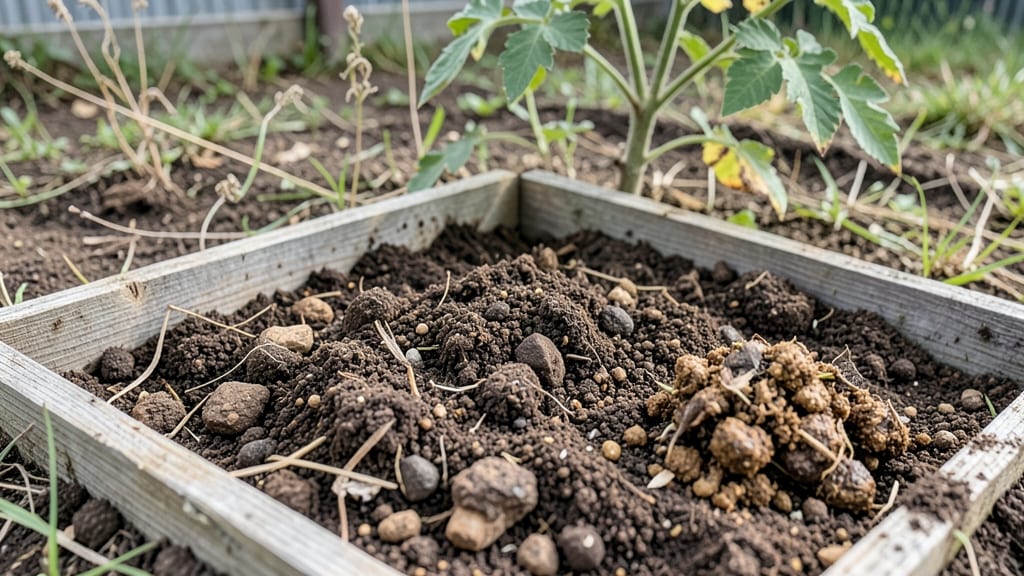
The perfect square foot gardening soil mix starts with equal parts compost, vermiculite, and peat moss—this trio gives your plants the airy, nutrient-rich foundation they crave. I learned this blend after my first attempt (too much clay soil) left my lettuce struggling.
The key is balance: compost feeds roots, vermiculite holds moisture, and peat moss keeps things light and fluffy. This mix works for everything from tomatoes to basil, and it’s easy to customize for different needs.
Most gardeners skip the vermiculite, but I’ve seen the difference—plants stay hydrated longer, and roots spread faster. For heavy feeders like tomatoes, add a handful of worm castings per square foot.
Flowers and herbs? Stick to the basics—they thrive in this lightweight loam without extra fuss. The secret is consistency: mix thoroughly before planting, and you’ll avoid compaction issues that stunt growth.
By midseason, you’ll notice the difference: vibrant green leaves, faster germination, and fewer wilting episodes. My zucchini went from sad to prolific after switching to this mix, and the soil stays loose even after heavy watering.
The best part? You can reuse it for years if you top-dress with compost annually. No more digging heavy clay or amending soil that refuses to cooperate—just plant, grow, and harvest.
For container square foot gardens or raised beds, this mix works perfectly, though you might reduce peat moss slightly if your climate stays damp. The goal is a crumbly, dark blend that smells fresh—not sour or chemical.
Once you master this foundation, you’ll wonder how you ever grew anything else. Ready to transform your garden’s soil game?
📚 In This Guide
- What you need
- Instructions
- Tips and common mistakes
- Wrapping up and next steps
What you need
- ● Peat moss or coconut coir: 1 part (2-3 cubic feet per 4’x4’ square foot garden). Opt for high-quality, sterile peat moss or coir for moisture retention.
- ● Vermiculite: 1 part (lightweight, improves aeration and water retention). Use medium-grade vermiculite (3/8” to 1/2” particles).
- ● Perlite: 1 part (adds air pockets and prevents compaction). Choose expanded perlite (3/16” to 1/4” particles).
- ● Compost: 1 part (nutrient-rich, well-aged compost). Avoid fresh manure—it can burn plants!
- ○ Worm castings (optional but recommended): 1/4 part (boosts microbial activity and nutrient availability). Aim for 2-3 cups per square foot.
- ● Garden gloves (to protect your hands from sharp perlite/vermiculite).
- ● Wheelbarrow or large mixing bin (for blending ingredients evenly).
- ● Garden trowel or shovel (for filling square foot grids).
- ● Square foot gardening grid or raised bed (pre-assembled or DIY).
- ● Watering can or hose with a gentle spray nozzle (to moisten the mix before planting).
- ○ pH testing kit (optional): Ensures your mix is neutral (6.0–7.0). Adjust with lime (to raise pH) or sulfur (to lower pH) if needed.
Step-by-Step guide to creating a perfect square foot gardening soil mix
This blend transforms ordinary garden soil into a lightweight, nutrient-rich loam that prevents compaction and promotes root growth.
Combine the Base Materials
Start by mixing 1 part peat moss with 1 part vermiculite in a large wheelbarrow or clean tarp. The peat moss provides essential organic matter and moisture retention, while the vermiculite adds aeration and prevents compaction—a critical issue in square foot gardening where soil gets heavily worked. I like to spread both materials evenly across the workspace first, then use a garden fork to blend them thoroughly.
Work the materials until they achieve a uniform, fluffy texture. You'll notice the mix should resemble a light, airy loam rather than dense soil. This blend alone won't hold nutrients long-term, so we'll add more components next. The key here is to avoid clumping—break up any dense pockets with your hands or a small rake.
Incorporate the Organic Matter
Add 1 part compost and ½ part coarse sand to the peat-vermiculite mix. The compost introduces beneficial microbes and slow-release nutrients, while the coarse sand improves drainage and prevents the mix from becoming too dense. I find it helpful to sprinkle the compost and sand evenly over the base materials before mixing again.
Use a shovel to turn the entire pile, ensuring the compost and sand are fully integrated. You should feel a noticeable improvement in texture—the mix should now hold moisture without becoming soggy. If it feels too dry, lightly mist with water until it reaches a damp-but-not-wet consistency. This step is where the magic happens, transforming the blend into a perfect growing medium for square foot gardens.
Add the Nutrient Boost
Stir in ½ cup of 5-10-5 fertilizer per cubic foot of the mix. This balanced formula provides essential nitrogen, phosphorus, and potassium without overwhelming the plants. I like to distribute the fertilizer evenly across the surface before mixing it in with a garden fork. Avoid clumping by breaking up any concentrated piles with your hands.
The fertilizer should be uniformly distributed, but you won’t see it—it’s designed to dissolve slowly over time. This ensures your plants have steady access to nutrients without the risk of burning roots from over-application. If you’re working with multiple square foot beds, pre-measure the fertilizer for each batch to maintain consistency.
Test and Adjust the Mix
Fill a small container with the finished mix and add a handful of water. If the water pools on top or drains too quickly, adjust the blend by adding a little more compost or sand, respectively. The ideal mix should hold moisture like a well-wrung sponge—damp but not soggy, with water draining within a few minutes.
Run your fingers through the mix—it should feel light and crumbly, not compacted or gritty. This texture is perfect for square foot gardening because it allows roots to spread easily while providing enough structure to support plants. If adjustments are needed, blend in small amounts of the missing component until the mix reaches the right consistency.
Apply to Your Square Foot Garden
Spread the finished soil mix evenly across your square foot garden beds, filling each square to a depth of 6 inches. Use a level to ensure the surface is even—uneven depths can lead to poor drainage in low spots or dry soil in high spots. I like to work in small sections, tamping down lightly as I go to eliminate air pockets.
Water the bed gently after filling to settle the soil and remove any remaining air gaps. This step is crucial because compacted soil in square foot gardens can strangle roots and reduce yields. Once the mix is in place, you’re ready to plant. The lightweight, nutrient-rich blend will give your vegetables and herbs the ideal growing conditions from day one.
Tips & tricks for perfect square foot gardening soil mix
Creating the ideal soil mix for square foot gardening requires attention to detail—these insights will help you avoid common pitfalls and achieve a blend that supports vigorous plant growth.
Material Preparation: Before mixing, ensure your peat moss and vermiculite are completely dry and free of clumps. Moisture in these components can disrupt the delicate balance of the final blend, leading to either poor drainage or excessive compaction. I recommend sifting both materials through a quarter-inch mesh screen to eliminate any large particles that could create air pockets in your finished mix.
Texture is Everything: In Step 2, when incorporating the compost and coarse sand, aim for a texture that resembles crumbly cake batter. This consistency ensures proper aeration while maintaining moisture retention—critical for square foot gardens where space is limited. If your mix feels too dense after blending, add a bit more vermiculite to lighten it up. Conversely, if it feels like dry sand, incorporate a touch more compost to bind the particles together.
Fertilizer Distribution: When adding the ½ cup of 5-10-5 fertilizer per cubic foot, use a small hand shovel or your fingers to create a fine dusting across the surface. This even distribution prevents nutrient hotspots that could burn plant roots. For larger batches, consider pre-mixing the fertilizer with a small amount of the dry compost before incorporating it into the main blend—this helps ensure uniformity throughout.
Adjusting for Your Climate: The ideal moisture retention described in Step 4 may need slight adjustments based on your local climate. In hot, dry regions, you might want to increase the compost ratio slightly to enhance moisture retention, while in humid areas, adding a bit more coarse sand can improve drainage. Always test your mix in a small container first to see how it behaves with water before committing to your entire garden bed.
Pro Tips for Square Foot Gardening Soil Mix
- Creating the ideal soil mix for square foot gardening requires attention to detail—these insights will help you avoid common pitfalls and achieve a blend that supports vigorous plant growth.
- Material Preparation: Before mixing, ensure your peat moss and vermiculite are completely dry and free of clumps.
- Texture is Everything: In Step 2, when incorporating the compost and coarse sand, aim for a texture that resembles crumbly cake batter.
Frequently asked questions
Got questions about your square foot gardening soil mix?
You’re not alone! Here are answers to the most common queries to help you grow with confidence.
What’s the best ratio for a DIY square foot gardening soil mix?
The classic thirds blend works wonders: one-third peat moss or coconut coir (for moisture retention), one-third vermiculite (for aeration), and one-third compost or composted manure (for nutrients). Adjust ratios if your climate is dry (add more peat) or wet (add more perlite).
Can I reuse last year’s square foot garden soil?
Reusing soil isn’t recommended unless you’ve replenished nutrients and sterilized it (baking at 200°F for 30 minutes kills pests). Instead, refresh your mix by adding 2–3 inches of compost or a slow-release fertilizer like worm castings before replanting.
Is there a budget-friendly alternative to the classic mix?
Swap peat moss for shredded leaves or pine fines (for organic matter) and use coarse sand or perlite (if vermiculite is pricey). Skip composted manure if it’s unavailable—well-aged horse or cow manure works too, but avoid fresh (it burns plants!).
How do I fix compacted or waterlogged square foot garden soil?
Compacted soil? Fluff it up with a garden fork or add 1–2 inches of perlite to improve drainage. Waterlogged? Mix in coarse sand or rice hulls (¼ inch per square foot) and ensure raised beds have drainage holes. Never till—it destroys soil structure!
Can I add fertilizer directly to the soil mix?
Yes, but go slow! Start with a balanced, slow-release fertilizer (like 5-5-5 or 10-10-10) mixed at 1–2 tablespoons per square foot. Avoid synthetic granules—they can burn roots. For organic options, use worm castings or fish emulsion (½ cup per square foot).
Wrapping up and next steps
Square foot gardening thrives on the right soil mix—a lightweight, nutrient-rich loam blend that maximizes space and yields. By combining coco coir, compost, and perlite, you create an ideal growing medium that retains moisture, drains well, and supports root health.
Whether you're a beginner or a seasoned gardener, this simple yet powerful approach unlocks the potential of your small garden plots.
Ready to transform your square foot garden? Start small—test a single plot with your mix—then expand as confidence (and harvests!) grow. Happy planting! 🌱