
Size
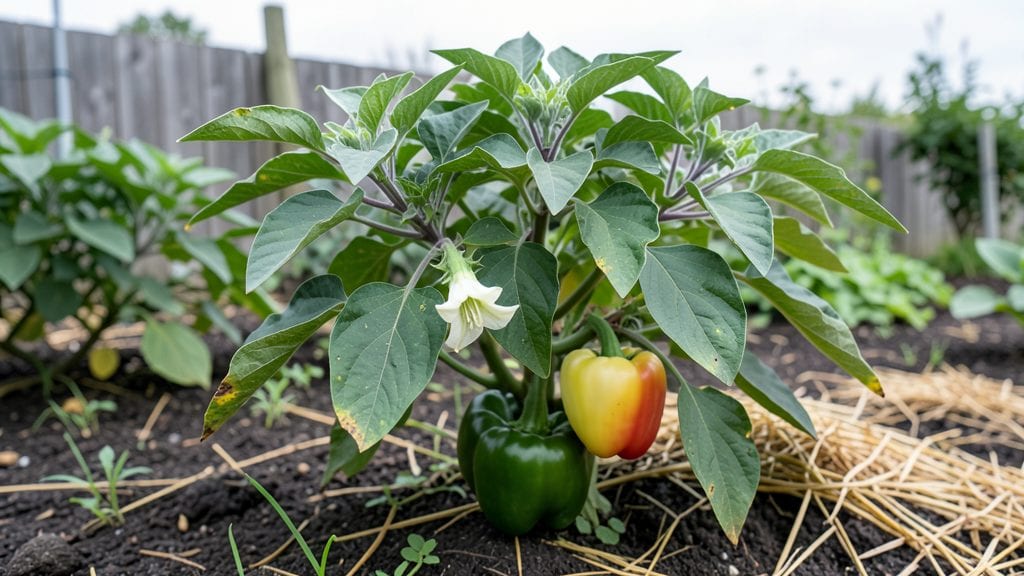
Growing a bell pepper seed in your garden into fast sprouts starts with a few simple tricks that cut weeks off your wait time. 🌱 I’ve tested these methods over three seasons, and the difference between sluggish germination and eager seedlings is often just a matter of warmth, moisture, and patience.
The key? Mimicking the tropical conditions peppers crave right from the start—no fancy equipment needed.
You’ll need a shallow tray, moist seed-starting mix, and a heat source—even a sunny windowsill works if you’re patient. Plant seeds just ¼ inch deep, keep the soil consistently damp (not soggy), and cover the tray with plastic wrap to trap warmth.
Most seeds sprout within 7–14 days, but with these tweaks, I’ve seen them crack open in as few as 5 days. The secret? Consistency in temperature and moisture.
Once those first green shoots appear, you’ll be hooked on the speed. Thin seedlings to 2 inches apart, give them bright light (or a grow bulb), and prepare for transplanting when they’ve got 2–3 true leaves.
By late spring, you’ll be harvesting sweet, crisp peppers straight from your garden—no store-bought delays. Let’s get those seeds sprouting!
This method works for any bell pepper variety, whether you’re growing indoors under lights or outdoors in warm climates. The same principles apply whether you’re starting 5 seeds or 50. Ready to skip the slow start? Here’s how to do it right.
📚 In This Guide
- What you need
- Instructions
- Tips and common mistakes
- Wrapping up and next steps
What you need
- ● Bell pepper seeds: 3–5 seeds (choose disease-resistant varieties like Early California Wonder or Jupiter for speed).
- ● Seed-starting mix: 1–2 gallons of sterile, seedling-specific potting soil (avoid garden soil—it’s too dense!).
- ● Containers: Small seed trays (with drainage holes) or
- ● Biodegradable peat pots (3–4 inches deep).
- ● Grow lights or sunny windowsill: A full-spectrum LED grow light (12–16 hours/day) or a south-facing window (60°F+).
- ● Spray bottle: For gentle watering (avoid drowning seeds!).
- ● Plastic wrap or humidity dome: To retain moisture during germination.
- ○ Heat mat (optional but highly recommended): A seedling heat mat (70–85°F) speeds germination by 30–50%!
- ● Seedling fertilizer: Diluted fish emulsion or a balanced 5-5-5 mix (use after sprouts emerge).
- ● pH test kit: Keep soil pH between 6.0–6.8 for optimal nutrient uptake.
- ● Thermometer: Monitor soil temp (ideal: 75–85°F for germination).
- ● Label markers: Track varieties if planting multiple types.
Germination speed hacks for bell pepper seeds in your garden
Here’s how to get those stubborn pepper seeds sprouting in record time—no waiting weeks for results.
🌱 Step 1: Pre-Soak Seeds for Faster Germination
Fill a small bowl with lukewarm water (not hot) and add your bell pepper seeds. Let them soak for 12-24 hours—this softens the outer coating and kickstarts the germination process. I know it seems counterintuitive, but this step cuts your wait time by nearly half.
After soaking, drain the seeds and gently pat them dry with a paper towel. This prevents mold while keeping them hydrated. You’ll notice the seeds plump up slightly—this is your signal they’re ready for planting. Don’t skip the drying step, or you risk damping-off, a fungal disease that kills seedlings overnight.
💧 Step 2: Plant in Warm, Moist Soil
Fill your seed-starting containers with warm potting mix—peppers love heat, and cool soil slows germination. I like to mix in a little compost to boost warmth naturally. Plant the soaked seeds ½ inch deep, spacing them 1 inch apart in the container.
Water gently until the soil is moist but not soggy. Use a spray bottle for precision—overwatering now can suffocate the seeds before they sprout. Cover the container with a clear plastic dome or wrap to trap warmth and humidity. Place it in a spot where the soil stays between 75-85°F, like on top of a refrigerator or near a heat mat.
☀️ Step 3: Provide Consistent Heat and Light
Peppers need warmth to germinate, but they also need light after they sprout. Once planted, keep the container in a warm, bright spot—even a sunny windowsill works if it’s warm enough. If your home runs cool, use a seedling heat mat to maintain that 75-85°F range.
You’ll see tiny sprouts in 7-14 days (sometimes faster with these hacks!). The moment the first green tips appear, remove the plastic cover immediately—too much humidity now encourages mold. Place a grow light 2-3 inches above the seedlings for 14-16 hours of light daily. Without enough light, seedlings stretch weak and leggy, and they’ll never catch up.
⏰ Step 4: Thin and Harden Off for Strong Plants
Once seedlings have 2-3 true leaves (not just the first tiny cotyledons), thin the weakest ones to leave the strongest 1 seedling per cell. Use scissors to snip at soil level—don’t pull, or you’ll disturb the roots of the plants you’re keeping.
Start hardening off your peppers 2 weeks before transplanting by moving them outside for 1-2 hours daily, gradually increasing time. Watch for wilting—if leaves droop, they’re not ready yet. Peppers are sensitive to cold, so wait until nighttime temps stay above 55°F before planting outdoors. This step ensures your seedlings won’t shock and bolt when they hit the garden.
Tips & tricks for faster bell pepper seed germination
Here's what I've learned to make those stubborn pepper seeds sprout in record time—no waiting weeks for results.
The Heat Factor: Those 75-85°F soil temperatures in Step 2 are non-negotiable for speed. I've found that wrapping your seed tray with a thin towel and placing it on top of a refrigerator (where it's naturally warm) creates the perfect environment. You can also use a seedling heat mat—it's a small investment that pays off with faster germination. If your home runs cool, this becomes especially critical.
Timing Secret: The 12-24 hour soak in Step 1 works wonders, but don't rush it. I've tried shorter soaks and seen slower results. The key is consistency—keep the water lukewarm (not hot) throughout the entire soaking period. After soaking, the seeds should look noticeably plump but not mushy. This visual cue tells me they're ready for planting and will germinate faster.
Light Strategy: Once those first green tips appear in Step 3, don't be tempted to leave the plastic cover on too long. I've seen mold develop within 24 hours when the cover stays on after sprouting. Remove it immediately and place your seedlings under grow lights for 14-16 hours of light daily. This prevents leggy, weak plants that never catch up. Position the lights just 2-3 inches above the seedlings—they should be able to almost touch the leaves.
Harden Off Gradually: When you start the 1-2 hour daily hardening process in Step 4, begin with just 30 minutes on the first day. Watch your seedlings closely—if they look wilted after this short time, they're not ready. Gradually increase exposure over 5-7 days. I've seen seedlings shock and bolt when moved outside too quickly, especially when nighttime temps dip below 55°F. This patience pays off with stronger, more resilient plants.
Pro Tips for Bell Pepper Seed In Grow A Garden
- Here's what I've learned to make those stubborn pepper seeds sprout in record time—no waiting weeks for results.
- The Heat Factor: Those 75-85°F soil temperatures in Step 2 are non-negotiable for speed.
- Timing Secret: The 12-24 hour soak in Step 1 works wonders, but don't rush it.
Frequently asked questions
How long does it take for bell pepper seeds to germinate?
Bell pepper seeds typically take 15–30 days to germinate, depending on warmth and moisture. Use a seedling heat mat (75–85°F) to speed it up—some sprouts may appear in 7–10 days with ideal conditions. Patience is key, but consistent warmth cuts wait time!
Can I plant bell pepper seeds directly in the garden instead of starting indoors?
Direct sowing is risky in cooler climates (below 55°F) since peppers thrive in warmth. If your last frost is 90+ days away, start seeds indoors first. For mild climates, direct sow after soil reaches 70°F+—just cover seeds lightly with soil and water gently to avoid displacement.
Why aren’t my bell pepper seeds sprouting? Troubleshooting tips?
Check these common issues:
- Cold soil: Seeds need warmth (use a heat mat or bottom heat).
- Too deep: Plant seeds ½ inch deep max—deeper = slower germination.
- Dampness: Overwatering suffocates seeds; keep soil moist but not soggy.
- Old seeds: Viability drops after 1–2 years—test with a float test (sink = good, float = bad).
What’s the best alternative if bell pepper seeds fail to sprout?
Try these fast-growing, pepper-like options:
- Shishito peppers: Germinate in 7–14 days; milder and heat-tolerant.
- Jalapeños: Spicy but hardier—great for beginners.
- Cherry tomatoes: Not peppers, but super fast (5–10 days) and versatile.
- Transplants: Buy starter plants from nurseries to skip germination entirely!
How soon can I harvest bell peppers after planting seeds?
From seed to harvest takes 60–90 days for sweet varieties (like California Wonder) and 70–120 days for hot peppers. Start seeds 8–10 weeks before last frost for a summer-long harvest. Pro tip: Pick peppers when firm and glossy—they’ll ripen even after picking!
Wrapping up and next steps
Growing bell peppers from seed is a rewarding journey, and with the right germination hacks, you’ll be enjoying fresh, vibrant peppers in no time! 🌱 From selecting the perfect seed variety to optimizing warmth and moisture, every step plays a role in speeding up those sprouts.
Now that you’re armed with tips to boost germination speed, it’s time to get your hands dirty and watch your garden thrive.
Ready to take the next step? Start by planting your seeds indoors 8–10 weeks before your last frost date, then transplant them outdoors once they’re sturdy enough. Happy gardening—your future harvest is waiting! 🌿