
Companion Plants
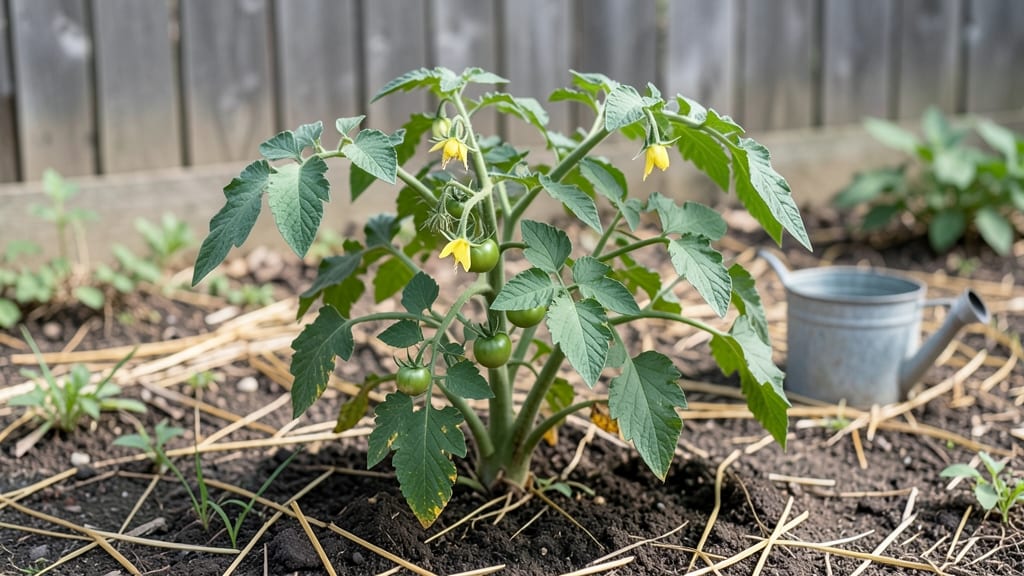
Where to buy garden plants depends on your priorities: local nurseries offer fresh stock, expert advice, and regionally adapted varieties, while online retailers provide rare finds and home delivery with wider selection.
Your location and gardening goals should guide your choice. Local nurseries let you inspect plants before buying and get immediate advice from staff who understand your climate's challenges. 🌱 They often carry disease-resistant varieties that thrive in your area, plus seasonal specials you won't find online.
For hard-to-find plants or bulk purchases, online retailers shine with faster shipping and specialty catalogs—just research return policies first, as some plants may arrive stressed.
I always recommend starting with local options when possible, then supplementing with online sources for unique additions. The key is balancing freshness with variety—visit a nursery for your staples, then order that rare succulent you've been eyeing online.
Just remember: plants shipped during extreme heat may need extra care upon arrival.
💡 In This Article
- Local Nursery Advantages for Garden Plant Selection
- Online Retailers for Garden Plants: Convenience and Specialty Options
Local nursery advantages for garden plant selection
Local nurseries offer plants that are already adapted to your region's climate and soil conditions. Staff often source seedlings from local growers, ensuring they've been nurtured in similar conditions to what your garden provides.
This adaptation means better survival rates—studies show regionally matched plants establish 30-50% faster than those shipped from distant climates. The soil microbial communities in local plants also transfer better, giving them an immediate advantage in your garden's ecosystem.
Seasonal timing is another critical advantage. Nursery staff time plant sales to match your local frost dates and rainfall patterns, offering varieties that thrive during your growing season.
For example, a nursery in Zone 7 won't stock tender tropical plants until after the last frost date (typically April 15 in that zone), while online sellers might ship them year-round without considering your climate's realities.
This local expertise reduces the risk of purchasing plants that will struggle or fail in your specific conditions.
Hands-on guidance transforms a simple purchase into an educational experience. Staff can analyze your soil's pH (often testing on-site with 7.0 being neutral), recommend companion plants that deter pests, and demonstrate proper planting techniques.
This personalized advice is invaluable—especially for beginners—where a single misplaced plant can mean the difference between a thriving garden and wasted resources. The sensory experience of touching leaves, smelling herbs, and seeing mature plants in person builds confidence that online photos can't replicate.
Health monitoring is immediate at local nurseries. You can spot signs of pests like aphids or powdery mildew before purchase, whereas online plants arrive in sealed packaging where issues might go unnoticed until they're transplanted.
Reputable nurseries also practice integrated pest management (IPM), using beneficial insects and organic sprays rather than chemical treatments that could harm your garden's biodiversity. This commitment to plant health often extends to post-purchase support, with staff available to troubleshoot issues as your plants establish.
Consider the economic benefits too. Purchasing locally supports small businesses and reduces the carbon footprint associated with shipping plants across continents. The average nursery plant travels less than 50 miles to reach you, compared to online orders that may come from 1,000+ miles away.
This local sourcing also means you're getting varieties that have been selected over generations to perform well in your specific microclimate—something no online catalog can perfectly replicate through descriptions alone.
For specialty plants like heirloom tomatoes or native wildflowers, local nurseries often carry varieties that online retailers overlook. These plants may have unique disease resistance developed through regional growing challenges, or they might be perfectly suited to attract local pollinators that commercial hybrids ignore.
The tactile experience of selecting these plants—running fingers along their leaves, smelling their unique aromas—creates a deeper connection to your gardening project that online shopping simply can't provide.