
Vegetables
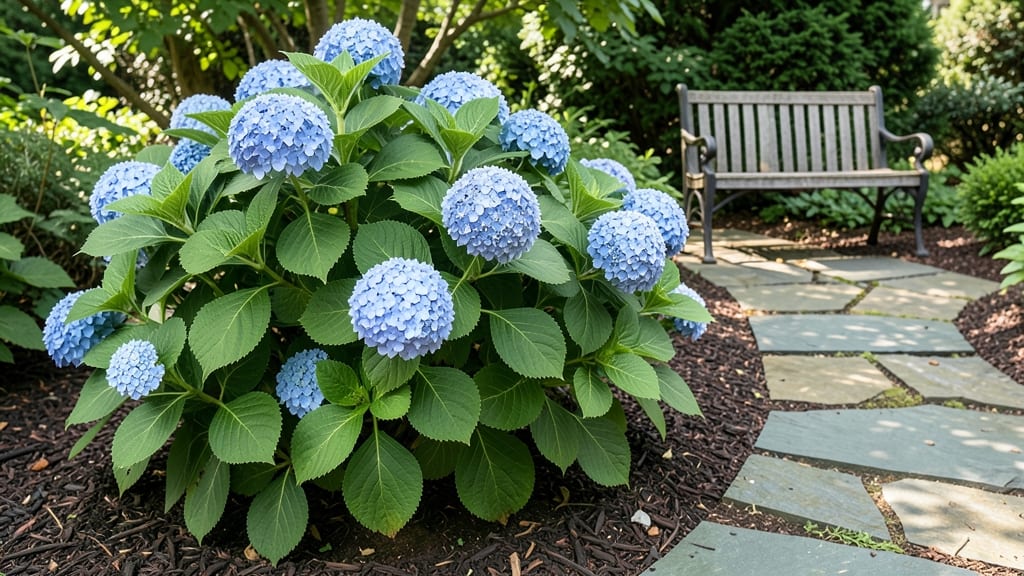
The best gardens in the USA prove that design isn’t just about plants—it’s about storytelling through space. ✨ From the sun-drenched terraces of California to the frost-kissed borders of New England, these award-winning layouts blend artistry with practicality, turning yards into living canvases.
What makes them special isn’t just the rare blooms or towering topiaries, but how they solve real problems: drought resistance in the Southwest, year-round interest in the Pacific Northwest, or privacy without fences in suburban backyards.
Take the Strybing Arboretum in San Francisco, where native plants create a tapestry of color that thrives on minimal water, or the Longwood Gardens in Pennsylvania, where water features and seasonal displays teach lessons in timing and layering.
These gardens aren’t just pretty—they’re blueprints for how to make your own space feel intentional, whether you’ve got a postage-stamp patio or five acres. The best part? You don’t need a green thumb or a bottomless budget to steal their magic.
You’ll leave inspired to mix unexpected textures—think velvety hostas with spiky ornamental grasses—or to use structural elements like trellises or stone walls to create drama without overwhelming your plot.
The key is starting small: one standout border, one unexpected focal point, or one plant combination that makes neighbors stop and stare. These gardens prove that great design isn’t about perfection—it’s about personality, and yours is waiting to bloom.
From cottage gardens that smell like grandma’s kitchen to modernist landscapes that look like abstract paintings, there’s a style here for every dream. Here’s how to pick the principles that fit your climate, your light, and your soul—and turn your yard into the kind of place people pause to admire.
📚 In This Guide
- What you need
- Instructions
- Tips and common mistakes
- Wrapping up and next steps
What you need
- ● Soil: 10–20 cubic yards of high-quality garden soil (or compost mix) depending on garden size. Look for well-draining options like topsoil or potting mix for containers.
- ● Plants: Seedlings or seeds for your chosen crops (e.g., tomatoes, peppers, herbs). Check climate-specific varieties for your USDA zone.
- ● Watering System: Hose (50–100 ft, with adjustable nozzle)
- ○ Drip irrigation kit (optional but highly recommended for efficiency)
- ● Watering can (for smaller gardens or delicate plants)
- ● Fencing/Mulch: Garden fencing (4–6 ft tall, for pest control) or landscape fabric
- ● Mulch (straw, wood chips, or shredded leaves; 2–3 inches thick)
- ● Basic Tools: Shovel (round-point or spade)
- ● Garden fork (for aerating soil)
- ● Pruners (bypass for clean cuts)
- ● Hand trowel (for precision planting)
- ● Gloves (heavy-duty for durability)
- ● Soil Amendments: Compost (5–10 bags), worm castings, or organic fertilizer (e.g., fish emulsion).
- ● Support Structures: Trellises, tomato cages, or stakes for climbing plants.
- ● Pest Control: Neem oil, row covers, or companion plants (e.g., marigolds).
- ● Decorative Touches: Garden markers, solar-powered lights, or wind chimes.
- ● Tech Upgrades: Soil moisture sensors or smart sprinkler timers.
- ● Check local zoning laws or HOA rules (if applicable) for garden restrictions.
- ● Test your soil’s pH (kits available at garden centers) to ensure it’s plant-friendly.
- ● Plan your layout based on sunlight exposure (most veggies need 6–8 hours/day).
- ● For raised beds: Ensure a level, stable base (gravel or landscape fabric works well).
Instructions for implementing award-winning garden layouts in your region
These proven designs adapt to any climate while maximizing beauty and functionality.
🌿 Step 1: Analyze Your Microclimate and Sun Patterns
Begin by mapping your garden's sun exposure for at least 24 hours. Use a simple grid with stakes at 4-foot intervals to mark where sunlight hits at different times. Most award-winning designs rely on 6-8 hours of direct sun for focal areas, with shade-loving plants tucked into protected corners. I always sketch a rough layout first—this helps visualize how light moves across the space throughout the day.
Note wind patterns too. Coastal gardens need windbreaks, while inland designs often incorporate low hedges or decorative grasses to soften breezes. If your area has hot afternoons, prioritize drought-tolerant perennials in sun zones and mulch heavily to retain moisture. The key is balancing plant needs with your site's natural conditions.
☀️ Step 2: Layer Plants by Height and Seasonal Interest
Start with your tallest elements—trees, shrubs, or structural grasses—placed at the back or along property lines. I recommend using 3-5 anchor plants spaced 8-12 feet apart to create a framework. These should include evergreens for winter structure and flowering shrubs for seasonal color. For example, a hydrangea or crape myrtle works beautifully in humid climates, while arborvitae thrives in cooler regions.
Next, add mid-height plants like perennials and small shrubs at 2-4 feet tall, filling gaps between anchors. Finally, layer ground covers and annuals in the front. This creates depth and ensures year-round interest. In arid climates, I swap traditional lawns for sedum or ornamental grasses—they require far less water while adding texture.
🪴 Step 3: Incorporate Hardscaping for Structure and Flow
Use pathways, decks, or stone borders to guide movement through your garden. Gravel paths work well in dry areas, while stepping stones create a natural look in moist climates. I always design paths to highlight focal points—like a water feature or sculpture—while keeping them 3-4 feet wide for comfortable passage. For raised beds, opt for cedar or composite lumber to resist rot and pests.
Add seating areas near shade trees or under pergolas to create inviting gathering spots. In colder climates, I incorporate evergreen windbreaks around patios to extend outdoor enjoyment. The goal is to blend functional elements with natural beauty—think of hardscaping as the "bones" of your design, supporting the "flesh" of plants.
✂️ Step 4: Test and Refine Over the Growing Season
After planting, observe how your design performs in real conditions. Adjust watering schedules based on soil dryness and plant responses—some areas may need drip irrigation while others thrive with hand-watering. I always take notes on which plants outperform expectations in your zone and which struggle. Swap out underperformers in early spring or fall when roots can establish before extreme weather.
Prune regularly to maintain shape and encourage healthy growth. For example, deadhead annuals weekly to prolong blooms, while lightly trim perennials in late winter to shape them for the season. Pay attention to color shifts too—some plants look stunning in photos but clash in person. Adjust placement if needed, and don't hesitate to remove a plant if it's truly not working.
Tips & tricks for award-winning garden layouts
Creating a stunning garden starts with understanding the subtle details that elevate good designs to award-winning layouts. Here's what I've learned from studying top-rated gardens across the USA.
Microclimate Mapping: Don't just guess at sun exposure—actually map it for at least 24 hours using stakes at 4-foot intervals. I've seen beautiful designs fail because the homeowner assumed full sun when the area actually received only 3-4 hours of direct sunlight. Use a small flag or ribbon on each stake to track sunlight paths throughout the day. This precision ensures your focal plants get the 6-8 hours of sunlight they need to thrive.
Plant Layering Strategy: When creating your framework with 3-5 anchor plants spaced 8-12 feet apart, think vertically as well as horizontally. Tall evergreens should be placed behind flowering shrubs to create visual depth. In Step 2, I recommend adding 2-3 feet of vertical clearance between plant layers to prevent shading issues. For example, place your hydrangea slightly behind your perennial borders to maintain sunlight exposure for both.
Hardscaping with Purpose: The 3-4 feet wide pathways in Step 3 aren't just about practicality—they create visual rhythm. I've found that alternating between gravel paths and stepping stones can add texture contrast while maintaining flow. For raised beds, consider using cedar lumber with the grain running horizontally—this prevents warping over time and creates a more natural look. The key is making hardscaping elements feel like intentional design choices rather than afterthoughts.
Seasonal Color Planning: Before planting, create a seasonal color wheel for your garden. Group plants with complementary colors in different layers so your garden remains vibrant year-round. For example, pair purple salvia with yellow black-eyed susans in the mid-height layer, while using white shasta daisies as ground cover to tie everything together. This approach ensures your garden has visual interest in every season, not just spring and summer.
Pro Tips for Best Gardens In Usa
- Creating a stunning garden starts with understanding the subtle details that elevate good designs to award-winning layouts.
- Microclimate Mapping: Don't just guess at sun exposure—actually map it for at least 24 hours using stakes at 4-foot intervals.
- Plant Layering Strategy: When creating your framework with 3-5 anchor plants spaced 8-12 feet apart, think vertically as well as horizontally.
Frequently asked questions
Planning a show-stopping garden in the USA? Here are answers to the most common questions about visiting—or designing—America’s best botanical spaces:
What’s the best time of year to visit award-winning gardens in the USA?
The ideal time depends on the garden’s location and climate! Coastal gardens (like Strybing Arboretum in California) thrive year-round, while Midwestern spots (e.g., Morton Arboretum) peak in late spring/early summer for blooms. Desert gardens (like Arizona’s Desert Botanical Garden) are stunning in fall/winter. Check each garden’s website for seasonal highlights—some host special events like holiday light displays!
How much does it cost to tour these top gardens?
Prices vary widely: entry fees range from $5–$25 for public gardens (e.g., Brooklyn Botanic Garden), while private estates (like Dumbarton Oaks in DC) may charge $15–$30. Many offer discounts for seniors, students, or multi-visit passes. Pro tip: Look for free admission days (common on first Tuesdays or during local festivals) or membership perks!
Are these gardens accessible for visitors with disabilities?
Most award-winning gardens prioritize accessibility! Paved pathways, wheelchair-friendly trails, and sensory gardens (like those at Longwood Gardens) are standard. Always call ahead to confirm—some areas may have temporary closures. For example, Keukenhof (Netherlands-inspired but nearby in California) offers shuttle services for large groups. Ask about: restroom locations, benches, and audio guides for visually impaired visitors.
Can I replicate these designs in my own backyard?
Start by analyzing the garden’s climate zone (USDA Hardiness Map) and sun exposure. For instance, Longwood’s tiered terraces work well in humid climates, while Denver Botanic Gardens’ xeric designs suit arid regions. Use native plants (they’re low-maintenance!) and mimic structural elements like trellises or water features. Budget hack: Visit local nurseries to source affordable alternatives to rare specimens.
What’s the biggest challenge when maintaining a garden like these?
Three key hurdles stand out:
- Pests/diseases: Even award-winning gardens face aphids or fungal issues. Solution: Rotate crops, use companion planting (e.g., marigolds near veggies), and monitor plants weekly.
- Water restrictions: Drought-prone areas (like Southwest gardens) rely on drip irrigation and mulch. Tip: Group plants with similar water needs together!
- Soil health: Many top gardens amend soil with compost or organic matter. Test your soil’s pH and nutrients—local extension offices offer free/low-cost kits.
Remember: Even "perfect" gardens need adjustments—don’t stress over imperfections!
Wrapping up and next steps
From lush desert oases to frost-resistant alpine gardens, the best gardens in the USA prove that stunning landscapes thrive in every climate—with the right design and care.
Whether you’re inspired by Longwood Gardens’ grand allure or Denver Botanic Gardens’ resilient mountain charm, these award-winning layouts offer endless creativity for your own green space. 🌿
Ready to bring your vision to life? Start small: sketch your dream garden, research climate-appropriate plants, and take the first step toward a space that’s as unique as you are!