
Tools
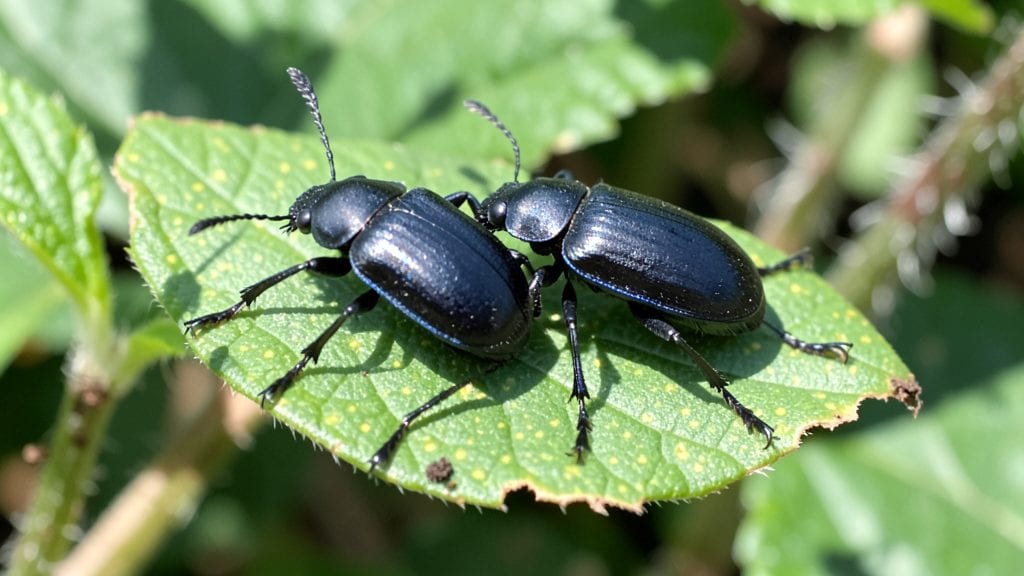
Black garden insects like vine weevils and beetles can turn your thriving plants into skeleton leaves overnight. 🌱 I’ve spent years battling these pests organically—no harsh chemicals, just smart tactics that actually work. The key is catching them early before they chew through your garden’s best performers.
Most gardeners panic when they spot black beetles munching on leaves, but these insects follow predictable patterns. They thrive in moist soil, love tender young plants, and strike hardest in late summer when your veggies are at their most vulnerable.
The damage starts small—tiny holes in leaves—but escalates fast if ignored.
With the right approach, you’ll send them packing without harming your plants or the ecosystem. I’ll show you how to disrupt their life cycle using simple barriers, natural predators, and even a few DIY traps that work better than store-bought sprays. Your garden will stay lush and pest-free all season.
Whether you’re dealing with cutworms, beetles, or weevils, these methods adapt to any yard size. Let’s get those black invaders out of your garden for good—naturally.
Root Causes Of Dark Invaders
Black garden insects—whether they’re beetles, slugs, or fungal-spore clusters—don’t just appear out of nowhere. Their presence is almost always a response to specific environmental or plant-related triggers. Understanding these causes is the first step to preventing them without resorting to harsh chemicals.
Let’s break down the science behind why your garden becomes a hotspot for these dark visitors.
Moisture-loving pests like black fungus gnats and slugs thrive in damp, stagnant conditions. When soil retains too much water—either from overwatering, compacted clay, or poor drainage—it creates the perfect breeding ground. Here’s why:
- Fungal growth: Excess moisture encourages Rhizoctonia and Pythium fungi, which appear as black, slimy mats on soil or plant stems.
- Slug/snail eggs: These pests lay eggs in damp mulch or soil, and larvae emerge when conditions are consistently wet.
- Root rot: Weakened plants attract insects like black vine weevils, which feed on decaying organic matter.
Actionable fix: Improve drainage with organic matter (compost, perlite) and avoid watering at dusk. Use raised beds or gravel layers if your soil is naturally dense.
Black insects often flock to decomposing plant debris because it’s rich in nutrients and shelter. Think of it as an all-you-can-eat buffet for pests like black soldier fly larvae (which are harmless but indicate excess waste) or darkling beetles, which gnaw on rotting wood and leaves.
- Mulch too thick? A layer thicker than 2–3 inches traps moisture, accelerating decay and attracting beetles or earwigs.
- Leaf litter buildup: Fallen leaves create microclimates where black cutworms pupate, later emerging to attack seedlings.
- Compost piles: If not turned regularly, anaerobic conditions produce black, slimy actinomycetes (harmless bacteria) but also invite pests like black scavenger beetles.
Actionable fix: Rake up leaf litter, turn compost piles weekly, and limit mulch to 2 inches. Use straw (dries faster) over wood chips in humid climates.
Black insects like black aphids or darkling beetles often surge during heatwaves or after cold snaps because:
- Stressed plants: Heat weakens plants, making them more vulnerable to sap-sucking insects (e.g., black bean aphids).
- Dormant pests waking up: Beetles and grubs buried in soil emerge when temperatures rise above 60°F (15°C).
- Moisture evaporation: Hot, dry conditions cause plants to wilt, releasing sugars that attract black fly larvae.
Actionable fix: Mulch to retain soil moisture, water deeply in the morning, and avoid fertilizing during heatwaves (it stresses plants further).
Healthy plants naturally repel pests with strong defenses, but when they’re compromised—by disease, nutrient deficiency, or overcrowding—black insects move in. Common triggers include:
- Nitrogen deficiency: Yellowing leaves attract black aphids, which feed on weakened foliage.
- Fungal infections: Black spots (e.g., Alternaria) signal decay, luring beetles and flies that feed on dead tissue.
- Overcrowding: Poor air circulation creates humidity pockets, ideal for black mold mites or slugs.
Actionable fix: Prune for airflow, test soil for deficiencies, and rotate crops annually to disrupt pest life cycles.
💡 Pro Tip: If you spot black insects only on certain plants, isolate the affected plant to prevent spread while diagnosing the root cause.
Natural Fixes for Garden Pests
Black garden insects—whether they’re slugs, beetles, or aphids—can turn your lush garden into a battleground. But before reaching for harsh chemicals, try these humane, plant-safe solutions tailored to common causes. Each fix is easy to implement and designed to keep your garden thriving without harming beneficial bugs or the environment.
Cause: Weak, stressed, or overcrowded plants attract pests like aphids, mealybugs, or fungus gnats.
How to Solve:
- 🌱 Prune & Space Plants Properly Trim dead or yellowing leaves to improve airflow. Space plants according to their mature size—crowded foliage traps moisture, inviting mold and insects. Pro Tip: 💡 Deadhead flowers regularly to redirect energy into growth instead of seed production, which pests love.
- 💧 Adjust Watering Habits Overwatering creates soggy soil, perfect for fungus gnats and slugs. Water deeply but less frequently (early morning is best) to encourage strong roots. Pro Tip: 🌡️ Use a moisture meter to check soil—most plants thrive in slightly dry soil rather than damp conditions.
- 🌿 Strengthen Plants Naturally Feed plants with compost tea or a balanced organic fertilizer (like fish emulsion) to boost their natural defenses. Pro Tip: ✨ Companion planting works wonders—marigolds repel nematodes, and basil deters flies.
Cause: Soft-bodied insects (aphids, spider mites) or chewing pests (cutworms, slugs) target specific plants.
How to Solve:
| Pest | DIY Solution | How to Apply |
|---|---|---|
| Aphids | Soapy Water Spray (1 tsp mild soap + 1L water) | Spray directly on infested leaves (test on a small area first). |
| Slugs/Snails | Coffee Grounds Barrier | Sprinkle around plant bases or create a ring of grounds. |
| Beetles | Neem Oil Spray (2 tbsp neem + 1 tsp soap + 1L water) | Spray on foliage at dusk; repeat every 5–7 days. |
| Fungus Gnats | Yellow Sticky Traps + Sand Topping | Place traps near soil; add a ½-inch sand layer to prevent egg-laying. |
| Cutworms | Collar Barriers (cardboard or foil) | Wrap stems with a 2-inch ring to block crawling pests. |
Pro Tip: 🔥 Reapply repellents after rain or every 7–10 days for best results. Always spot-test on a few leaves first!
Cause: Poor garden hygiene or lack of diversity invites pests year after year.
How to Solve:
- 🧹 Clean Up Debris Regularly Remove fallen leaves, weeds, and plant waste—these hide eggs and attract pests. A weekly 10-minute tidy-up can prevent 90% of infestations.
- 🐝 Encourage Beneficial Bugs Install a bee bath, plant dill or fennel, or hang ladybug houses to attract natural predators like lacewings and parasitic wasps.
- 🌍 Rotate Crops & Plant Seasons Avoid planting the same family (e.g., tomatoes, peppers) in the same spot yearly. Interplant flowers with veggies to confuse pests.
- 🌙 Use Light & Sound Deterrents Outdoor LED lights (yellow or red) reduce moth and beetle activity. Wind chimes or ultrasonic devices can deter some flying insects.
Pro Tip: 🎯 Monitor weekly with a flashlight at night—early detection means smaller, easier-to-manage problems!
Final Note: Patience is key! Some fixes (like neem oil) take 2–3 weeks to show full effects. Combine methods for the best results—your garden will thank you! 🌿
Frequently asked questions
Are all black garden insects harmful to my plants?
Not necessarily! Some black insects like ladybug larvae or ground beetles actually help control pests by eating aphids and caterpillars. The key is identifying whether they're chewing leaves (like cutworms) or beneficial predators. Look for damage patterns—skeletonized leaves usually mean trouble, while holes with no frass (insect droppings) might be from beneficial bugs.
How do I tell if black spots on leaves are from insects or disease?
Check for movement first—wiggle the plant gently. If tiny black creatures scurry away, it's likely insects (like aphids or beetles). For disease, look for fuzzy growth (mold) or black spots with yellow halos (fungus). Insect damage usually has irregular edges, while fungal spots are often circular. A magnifying glass helps spot the difference between mites and mildew.
What's the fastest way to get rid of black beetles in my garden?
For immediate results, try a neem oil spray at dusk (mix 2 tbsp neem oil + 1 tsp soap + 1 quart water). This disrupts their life cycle within 24-48 hours. For ground-dwelling beetles, spread diatomaceous earth around plant bases—it dehydrates them within hours. Always reapply after rain, as both solutions need direct contact to work.
Can black insects survive winter in my garden?
Many do! Eggs and larvae of black vine weevils and cutworms overwinter in soil or leaf litter. To prevent next year's infestation, clear all plant debris in fall and till the top 2 inches of soil. For severe cases, apply beneficial nematodes (like Steinernema carpocapsae) in late fall—they'll target hidden larvae before they emerge.
Why do I keep seeing black insects after treating them?
This usually means you're missing their hiding spots. Many black insects (like earwigs) live in moist, dark areas—check under boards, rocks, and dense mulch. Also, some treatments only kill adults while eggs remain. For persistent problems, combine methods: use yellow sticky traps for flying adults, beer traps for slugs, and row covers for young plants until pests decline.