
Companion Plants
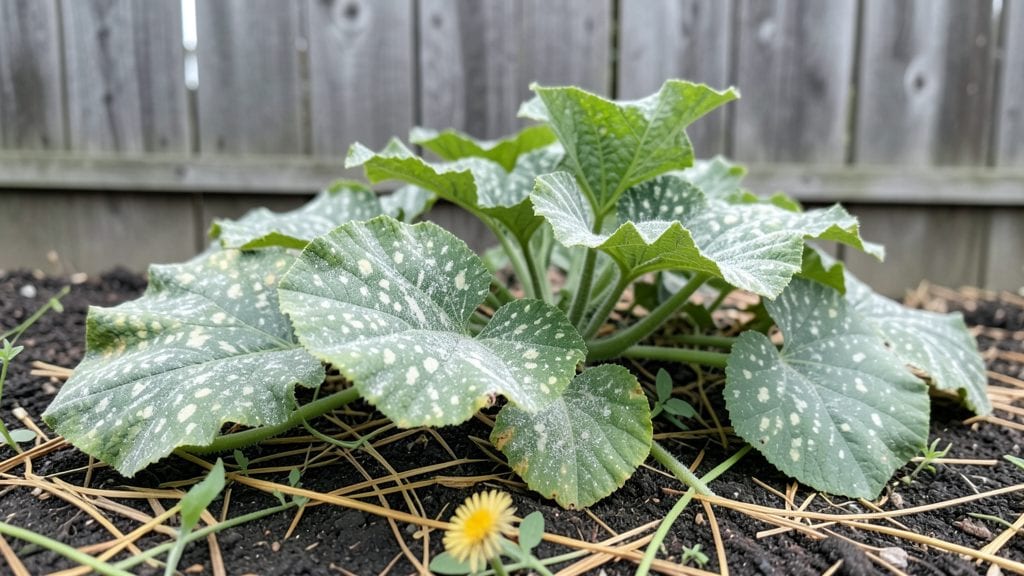
White spots on garden plants can turn vibrant foliage into a ghostly mess overnight—powdery mildew, spider mites, or even mineral buildup might be to blame. 🌱 I’ve seen this happen to roses, tomatoes, and even my prized basil, and the good news is, most cases are fixable with the right approach.
The key is acting fast before the spots spread or weaken your plants.
The culprit isn’t always what you think. Powdery mildew leaves a chalky white coating that rubs off, while spider mites create tiny white webs and speckles. Mineral deposits, often from hard water, leave crusty white patches on leaves.
Roses and tomatoes are especially prone, but even leafy greens like lettuce can get caught in the crossfire. The first step is identifying the exact problem—because the fix depends on it.
You’ll learn how to treat each type safely, from organic sprays like neem oil to targeted chemical solutions for stubborn cases. Prevention is easier than cleanup, so I’ll share my go-to tricks for keeping plants spot-free all season—like spacing them properly, watering at the base, and choosing resistant varieties.
Trust me, your garden will thank you.
Whether you’re dealing with a single leaf or an entire plant, these fixes work for common garden staples. Let’s get your plants back to their healthy, spotless selves—without losing the harvest or the beauty. The tools you need are likely already in your shed or garage.
Common Causes of Plant Spots
White spots on your garden plants aren’t just unsightly—they’re often a cry for help from your leafy friends. Understanding the root causes is the first step to restoring their health. Below, we break down the science behind these spots and what triggers them.
Fungi like powdery mildew (🍄) and downy mildew thrive in damp, shaded conditions, forming white, powdery patches on leaves. These pathogens spread via spores, which latch onto plant surfaces and feed on nutrients, weakening the plant over time.
How it happens:
- High humidity + poor airflow creates the perfect breeding ground for fungal spores.
- Overhead watering keeps leaves wet, giving fungi a foothold.
- Stressed plants (from overcrowding, nutrient deficiencies, or injury) are more susceptible.
🔍 Pro Tip: Check the undersides of leaves—downy mildew often starts there with fuzzy white growth.
Some pests, like whiteflies or aphids, excrete sticky honeydew, which attracts sooty mold—a black or white fungal growth. Others, like spider mites, puncture plant cells, leaving pale, stippled spots as the plant’s natural defense (chlorosis) kicks in.
How it happens:
- Sap-sucking insects (e.g., mealybugs, scale) drain chlorophyll, causing white or yellow patches.
- Mite webs trap moisture, promoting secondary fungal infections.
- Over-fertilizing with nitrogen can attract pests, worsening the issue.
💡 Quick Fix: Blast leaves with water to dislodge pests, or use insecticidal soap for heavy infestations.
White spots can also signal sunburn, salt buildup, or chemical damage from fertilizers, pesticides, or even hard water. Plants like tomatoes or peppers often show scorch marks (white or grayish patches) when exposed to intense midday sun after being shaded.
How it happens:
- Direct sunlight + dry soil causes cells to rupture, leaving bleached patches.
- Salt accumulation (from tap water or over-salting soil) disrupts nutrient uptake, leading to white crusts.
- Chemical drift (e.g., herbicide spray) can bleach leaves instantly.
✨ Prevention Tip: Use shade cloth for young plants and flush soil with rainwater to reduce salt buildup.
Lack of magnesium (chlorosis) or calcium can cause white or yellow patches between leaf veins. While not always "spots," these deficiencies mimic fungal or pest damage if ignored.
How it happens:
- Overwatering leaches nutrients from the soil.
- Poor soil pH (too acidic or alkaline) locks out essential minerals.
- Imbalanced fertilizers (e.g., too much nitrogen, too little micronutrients) throw off plant health.
📊 Diagnostic Trick: Test your soil—white spots on older leaves often signal magnesium deficiency (Epsom salt can help), while new leaves turning white may indicate nitrogen issues.
While less common, viruses (transmitted by insects) or bacteria (like Xanthomonas) can cause white, greasy spots or mosaic patterns. These are often accompanied by stunted growth or deformed leaves.
How it happens:
- Contaminated tools or infected plant debris spread bacteria.
- Vectors like aphids transmit viral diseases from plant to plant.
- Warm, wet conditions accelerate bacterial growth.
🚨 Warning: Once established, these infections are hard to cure—prevent spread by removing infected plants immediately.
Mechanical damage from hail, windburn, or rough pruning can create white or silver scars on leaves. Unlike biological causes, these spots are usually irregularly shaped and appear suddenly.
How it happens:
- Abrupt temperature swings (e.g., frost followed by sun) cause ice crystal damage.
- Over-trimming with dull shears tears plant tissue, leaving vulnerable areas.
- Strong winds desiccate leaves, leading to dry, white patches.
🔪 Solution: Protect plants with row covers in storm-prone areas and prune with sharp, sterilized tools.
Fixing White Spots Fast
White spots on your garden plants don’t have to mean the end of your green oasis—with the right approach, you can nurse them back to health and prevent future outbreaks.
Below, we’ve mapped out practical solutions for each common cause, from quick fixes to long-term prevention. Grab your gardening gloves, and let’s get to work!
🔥 Step 1: Isolate & Prune Remove severely infected leaves or stems immediately to stop the spread. Use clean, sharp pruners and sterilize them with rubbing alcohol between cuts. Disposing of infected plant debris in the trash (not the compost) is key—fungi thrive in compost piles!
🍳 Step 2: Apply Fungicidal Sprays For powdery mildew, mix 1 tablespoon of baking soda + 1 teaspoon of dish soap + 1 gallon of water in a spray bottle. Apply to both sides of leaves in the early morning or evening (avoid direct sunlight, which can burn foliage). For stubborn cases, use a copper fungicide or neem oil spray (follow label instructions).
👨🍳 Step 3: Boost Airflow & Light Fungi love humidity and shade. Space plants properly (follow spacing guidelines for your varieties) and thin out crowded foliage. If growing in containers, ensure pots have drainage holes. For shade-loving plants, prune nearby trees or structures to allow more airflow.
✨ Prevention Tip: 💡 Rotate crops annually to prevent soil-borne fungi from building up. If you’re prone to mildew, plant resistant varieties like ‘Bliss’ tomatoes or ‘Liberty’ zucchini.
🔪 Step 1: Blast Off Pests Use a strong stream of water to knock off aphids or whiteflies from leaves. For spider mites, wipe leaves with a damp cloth or spray with water to deter them.
🌡️ Step 2: Introduce Natural Predators Encourage ladybugs, lacewings, or parasitic wasps (like Encarsia formosa for whiteflies) by planting companion flowers like marigolds, dill, or fennel nearby. These beneficial insects will feast on the pests for you!
🎯 Step 3: Use Soap or Oil Sprays Mix 1 teaspoon of mild liquid soap (like Castile soap) or horticultural oil per quart of water and spray directly on pests. Reapply every 5–7 days until the infestation clears. Test on a small leaf first—some plants (like succulents) are sensitive to soap.
✨ Prevention Tip: 🔥 Inspect new plants before bringing them home! Quarantine them for a week to catch hitchhiking pests early.
⏰ Step 1: Adjust Your Watering Routine White spots from edema (water blisters) or bacterial leaf spot often mean you’re overwatering. Let the top 1–2 inches of soil dry out between waterings. Use your finger to check moisture—if it’s damp, wait!
🌧️ Step 2: Improve Soil Drainage Amend heavy or compacted soil with compost or perlite to help roots breathe. For potted plants, ensure pots have drainage holes and use a well-draining potting mix. Elevate containers slightly to prevent soggy bottoms.
💡 Pro Tip: 🌡️ Water in the morning to allow foliage to dry quickly, reducing humidity-related issues like powdery mildew.
🌿 Step 1: Provide Shade Cloth If your plants are suddenly getting more sun (e.g., after trimming nearby trees), protect them with 30–50% shade cloth for a few weeks while they acclimate. Gradually reduce shade as they toughen up.
🌱 Step 2: Mulch & Hydrate Apply 2–3 inches of mulch (straw, wood chips, or shredded leaves) to retain soil moisture and regulate temperature. Water deeply but infrequently to encourage strong root growth.
✨ Prevention Tip: 🎯 Choose heat-tolerant varieties for sunny spots, like ‘Solar Fire’ peppers or ‘Heatmaster’ tomatoes.
🧴 Step 1: Flush the Soil If white spots appeared after over-fertilizing, water the plant thoroughly with plain water to leach out excess salts. For potted plants, run water through the drainage hole until it runs clear.
🍽️ Step 2: Switch to Organic Fertilizers Use slow-release organic fertilizers (like compost tea or worm castings) to avoid salt buildup. Follow package instructions precisely—more isn’t better!
💡 Pro Tip: 🔥 Test your soil every 2–3 years with a home soil kit to monitor pH and nutrient levels.
Final Reminder: Most white spot issues are preventable with good hygiene, proper spacing, and smart watering. Once you’ve treated the problem, keep an eye out for recurrence—early action is always easier than a full-blown rescue mission! 🌱
Frequently asked questions about plant spots
Why do some white spots rub off while others don't?
Powdery mildew spots typically rub off easily because they're fungal spores, while spots from pests (like spider mites) or mineral deposits won't. For example, aphid damage leaves sticky residue that won't wipe away, while salt buildup creates crusty patches that flake off when touched.
Can I still harvest fruits/veggies from plants with white spots?
It depends! If the spots are from fungal diseases like powdery mildew, harvest fruits/veggies before they touch infected leaves to prevent contamination. For pest-related spots, wash produce thoroughly with water and vinegar (1:3 ratio) before eating. Always remove severely infected leaves first.
How often should I check my plants for white spots?
Inspect your garden every 3-5 days during growing season, focusing on undersides of leaves where problems often start. Early detection is key—catching powdery mildew before it spreads saves your plants from severe damage. Use a magnifying glass for close-ups if needed.
Will homemade sprays really work for fungal spots?
Yes! A mix of 1 tablespoon baking soda + 1 teaspoon dish soap + 1 gallon water works well for powdery mildew when applied every 7-10 days. For stubborn cases, add 1 teaspoon neem oil to the mix. Always spray in early morning to prevent leaf burn from sunlight.
Why do my indoor plants get white spots too?
Indoor plants often develop white spots from low humidity, overwatering, or mineral buildup from tap water. Use a humidifier, water with distilled/rainwater, and ensure pots have drainage. Check for spider mites (common in dry indoor air) by tapping leaves over white paper.