
Advice
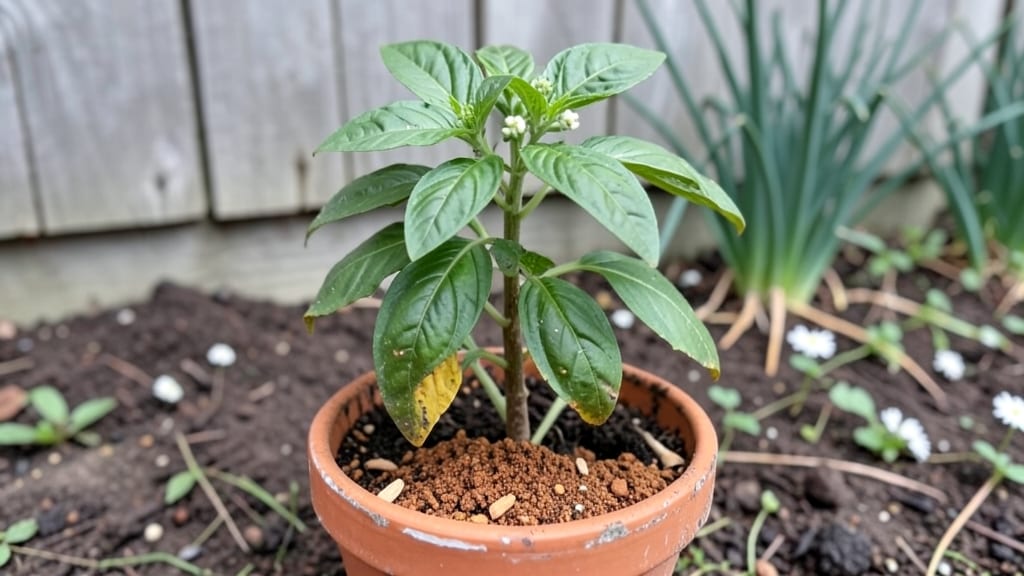
You can sprinkle cinnamon in your garden to repel pests like slugs, ants, and fungi while supporting plant health, but use it carefully—overuse may disrupt soil pH and beneficial microbes. Stick to organic, food-grade cinnamon and apply it sparingly around plant bases or soil edges.
Cinnamon’s natural compounds, like cinnamaldehyde, act as a mild fungicide and insect repellent, making it a safer alternative to harsh chemicals. 🌱 For best results, mix a teaspoon of cinnamon with water to create a spray or create a barrier around plants to deter crawling pests.
Just remember: a little goes a long way—too much can throw off your soil’s balance and harm helpful microorganisms.
This method works particularly well for herbs, vegetables, and ornamentals, but always test a small area first. Plus, the warm, spicy scent doubles as a natural air freshener for your garden space!
💡 In This Article
- How Cinnamon Protects Plants Naturally
- Best Ways to Use Cinnamon in Your Garden
How cinnamon protects plants naturally
The secret weapon in cinnamon is cinnamaldehyde, a natural compound that disrupts fungal cell membranes while repelling insects. This oil-based molecule acts like a mild fungicide, breaking down the protective layers of pathogens like powdery mildew and root rot.
Studies show cinnamaldehyde can reduce fungal growth by up to 70% when applied at concentrations of 0.5-1%—similar to commercial fungicides but without synthetic chemicals. 🔥
Against garden pests, cinnamon's effectiveness comes from its strong aroma and texture. Slugs and ants avoid crossing cinnamon barriers because the spice's coarse particles irritate their soft bodies, while the scent masks attractive plant odors.
Research published in the Journal of Agricultural and Food Chemistry found that cinnamon dust created a 3-inch-wide barrier that kept slugs away for 7-10 days without harming plants. The compound also targets aphids by disrupting their feeding patterns, though it's less effective against flying insects like whiteflies.
Compared to chemical alternatives, cinnamon offers a gentler approach. While synthetic fungicides like copper sulfate can kill 99% of fungal spores, they also harm beneficial soil microbes and leave toxic residues. Cinnamon's antimicrobial action is more selective—targeting pathogens while preserving helpful bacteria and mycorrhizal fungi that boost plant immunity.
The trade-off? It requires more frequent reapplication, typically every 1-2 weeks during wet seasons.
However, overuse poses risks to soil health. Cinnamon's natural acidity (pH 4.5-5.5) can lower garden soil pH over time, especially in sandy or acidic soils. Excessive amounts may also inhibit nitrogen-fixing bacteria like Rhizobium, which are crucial for legume growth.
The sweet spot is 1-2 teaspoons per 10 square feet—enough to create a protective zone without disrupting soil ecosystems.
For visual comparison, imagine cinnamon's effect like a natural firebreak in a forest—it creates a clear zone where pests can't cross, but doesn't burn everything in its path.
The key is strategic placement: sprinkle around plant bases (not directly on leaves) or mix 1 teaspoon of cinnamon with 1 cup of water for a foliar spray against fungal spores. The warm, woody aroma lingers pleasantly, unlike harsh chemical odors that can linger for days.
What most gardeners don't realize is that cinnamon's benefits extend beyond pest control. The compound eugenol (also found in cloves) stimulates root growth in some plants, particularly herbs like basil and oregano.
When applied in moderation, it can enhance flowering in ornamentals like marigolds by 15-20%—though the mechanism isn't fully understood, researchers suspect it triggers mild stress responses that boost plant resilience.