
Pests and Diseases
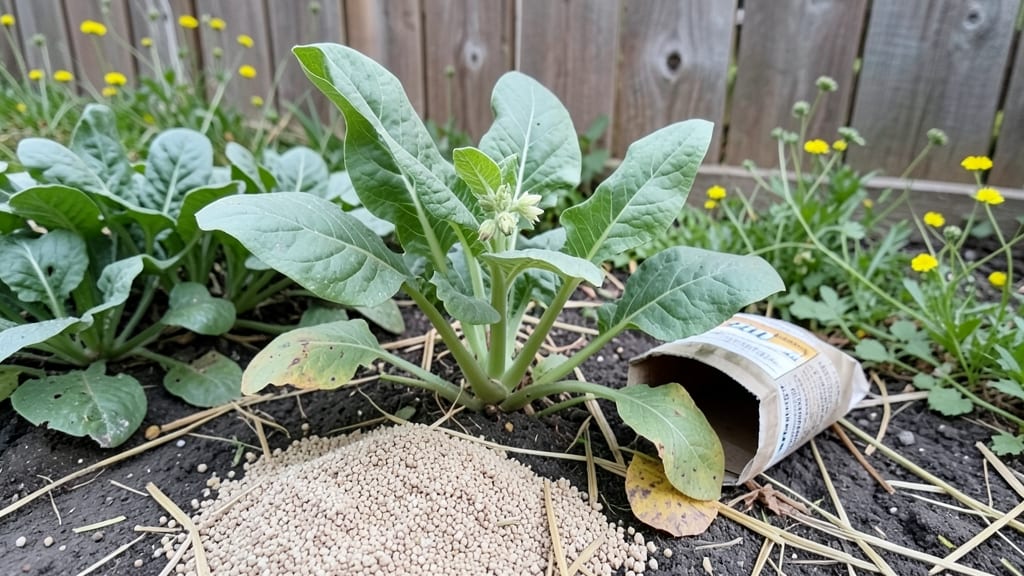
Preen works by inhibiting weed seed germination and blocking existing weeds' growth without disrupting mature vegetables, thanks to its active ingredients like corn gluten meal or synthetic herbicides. 🌱 The key is timing—it’s safest for established plants but can stunt young seedlings, so always apply after your crops have sprouted.
For organic gardens, alternatives like mulch or corn gluten meal offer similar weed suppression without chemical residues.
If you’re growing delicate greens or herbs, I’d recommend testing a small area first—some plants react differently to even "safe" herbicides. For maximum effectiveness, apply Preen before weeds sprout, and pair it with hand-pulling for stubborn invaders. Always double-check the label for your specific formulation, as strengths can vary.
💡 In This Article
- How Preen Works in Vegetable Gardens
- Best Preen Alternatives for Organic Vegetable Gardens
How Preen works in vegetable gardens
Preen's effectiveness in vegetable gardens stems from its dual-action formula that targets weeds at their most vulnerable stages. The organic version relies on corn gluten meal, a byproduct of corn processing that contains 10-12% protein by weight.
When applied to soil, this protein hydrolyzes into amino acids that interfere with weed seeds' ability to germinate by disrupting their hormonal signals—specifically inhibiting the production of gibberellins, which are essential for seedling growth. 🌱
The synthetic formulations, like those containing pendimethalin or dithiopyr, work differently by blocking cell division in weed roots and shoots. These pre-emergent herbicides create a chemical barrier in the top 1-2 inches of soil that prevents weed seeds from sprouting while allowing established plants to grow through.
The selectivity occurs because mature vegetable plants have developed deeper root systems that can penetrate this treated zone, whereas weeds germinating from surface seeds are stunted.
Timing is everything with Preen—application should occur when soil temperatures are consistently above 50°F but before weed seeds germinate in spring. For vegetable gardens, this means applying 2-4 weeks before planting (for pre-emergent versions) or immediately after transplanting established seedlings.
The granular form should be watered in to activate the ingredients, creating an even distribution that covers 100 square feet per pound of product.
What makes Preen particularly safe for vegetables is its selective persistence. Unlike broad-spectrum herbicides that kill everything green, Preen's active ingredients break down in 30-90 days through microbial action and sunlight. This gives your vegetable plants time to establish before the chemical barrier dissipates.
However, this same persistence means you shouldn't apply it near areas where you plan to sow new seeds, as it could inhibit germination for up to 3 months.
For organic gardeners, the corn gluten meal version offers additional benefits beyond weed suppression. It serves as a slow-release nitrogen source, providing 0.5-1% nitrogen by weight that feeds beneficial soil microbes.
This creates a positive feedback loop where microbial activity breaks down the gluten meal while simultaneously improving soil structure—something synthetic formulations can't replicate. The trade-off is slightly less potent weed control compared to chemical alternatives.
The key difference between organic and synthetic Preen lies in their mechanisms and environmental impact. Organic versions work through natural biochemical processes that enhance soil health, while synthetic versions rely on precise chemical inhibition of specific plant pathways.
Both require proper application timing to avoid harming your vegetable crops, but the organic option aligns better with regenerative gardening practices. 🌿