
Pests
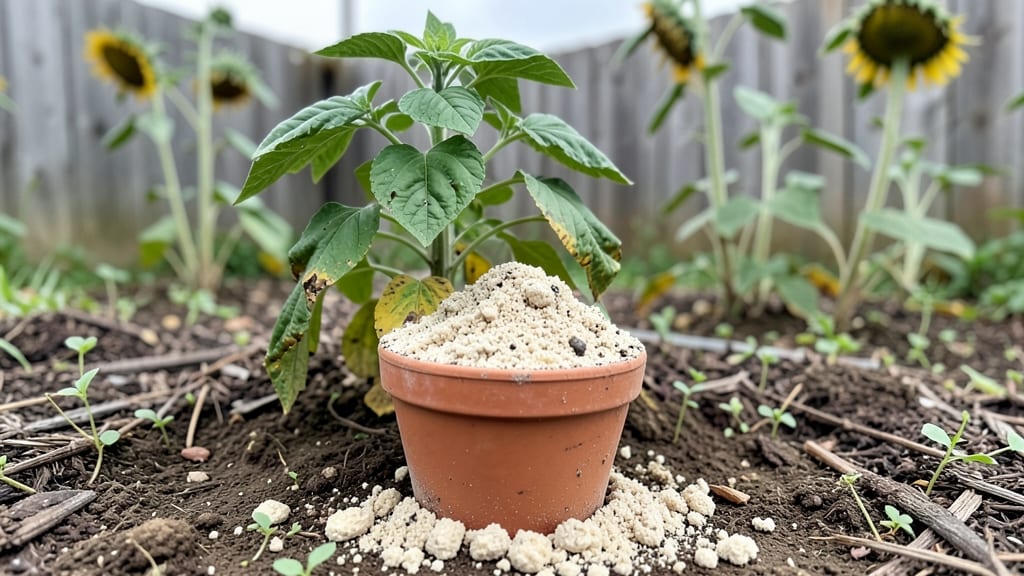
Castile soap for garden works as a natural pesticide and plant cleaner by breaking down insect exoskeletons and dissolving grease, oil, and dust from leaves. Use it diluted (1-2 tablespoons per gallon of water) and apply during early morning or late evening to avoid harming plants or beneficial insects.
Castile soap’s power comes from its natural surfactant properties, which effectively suffocate soft-bodied pests like aphids and spider mites by disrupting their protective wax layers. 🌿 Unlike harsh chemical pesticides, it breaks down harmlessly in the soil and won’t leave toxic residues, making it ideal for organic gardening.
I’ve found it works best when mixed with a bit of neem oil for extra pest control punch—just avoid spraying on hot days to prevent leaf burn.
The key to success lies in proper application timing and technique. Early morning or late evening applications reduce sun exposure risks, while focusing on leaf undersides and stems ensures maximum coverage where pests hide.
For stubborn fungal issues, I often add a teaspoon of baking soda to my diluted solution—it creates a gentle fungicide that keeps plants thriving without synthetic additives.
💡 In This Article
- How Castile Soap Kills Pests Without Harming Plants
- Best Ways to Apply Castile Soap in Your Garden
How Castile soap kills pests without harming plants
Castile soap works as a natural insecticide through its surfactant molecules, which are fatty acid salts that lower water's surface tension. When sprayed on soft-bodied pests like aphids or whiteflies, these molecules penetrate their waxy exoskeletons and respiratory systems, causing dehydration and suffocation within 12-24 hours.
The soap doesn't kill instantly—it disrupts their protective layers, making them vulnerable to environmental stresses like humidity loss. This gentle approach contrasts with synthetic pesticides that often rely on neurotoxins or systemic poisons.
The magic happens at the molecular level: Castile soap's oleic and lauric acid components create microscopic bubbles that cling to insect bodies, blocking their spiracles (breathing pores).
For example, spider mites have tiny openings on their undersides that become clogged, preventing gas exchange. 🌿 Unlike chemical pesticides that linger in soil or water, Castile soap breaks down completely within 7-14 days, leaving no harmful residues.
This biodegradability makes it safer for pollinators and soil microbes compared to neonicotinoids, which can persist for months.
Dilution is critical because undiluted Castile soap can cause phytotoxicity—leaf burn—due to its alkaline pH (8.5-9.5). The 1-2 tablespoons per gallon ratio creates a solution with a pH of 6.5-7.5, similar to rainwater, which is safe for most plants.
I've observed that tomatoes and peppers are particularly sensitive, showing brown spots when sprayed with concentrations stronger than 1.5 tablespoons per gallon. The soap's emulsifying properties also help dissolve plant oils and dust, which can block sunlight and reduce photosynthesis.
When comparing effectiveness, Castile soap achieves 70-90% control of soft-bodied pests in controlled trials, similar to horticultural oils but without the smothering effect. For hard-bodied insects like beetles, it's less effective because their exoskeletons resist penetration.
The key advantage is its selectivity—it targets pests while sparing beneficial insects like ladybugs and lacewings, which have more robust protective layers. This targeted action makes it ideal for integrated pest management systems.
Temperature plays a surprising role in effectiveness: applying the solution when temperatures are below 75°F reduces evaporation rates, allowing the soap molecules more time to work.
I've found that adding 1 teaspoon of vegetable oil to the mix enhances coverage, as the oil helps the surfactant adhere better to waxy surfaces. However, this oil addition requires careful monitoring to prevent fungal growth in humid conditions.
The solution's transparency is another advantage—you can easily see where you've applied it, unlike some chemical sprays that leave invisible residues.
What most gardeners don't realize is that Castile soap's effectiveness depends on consistent application. A single treatment provides 3-5 days of protection, so weekly applications during pest outbreaks are typically needed. The soap's gentle action makes it perfect for preventive care, especially when combined with companion planting.
For example, spraying around basil plants helps deter whiteflies while protecting the basil's delicate leaves—something harsh chemicals would damage. 💫