
Tools
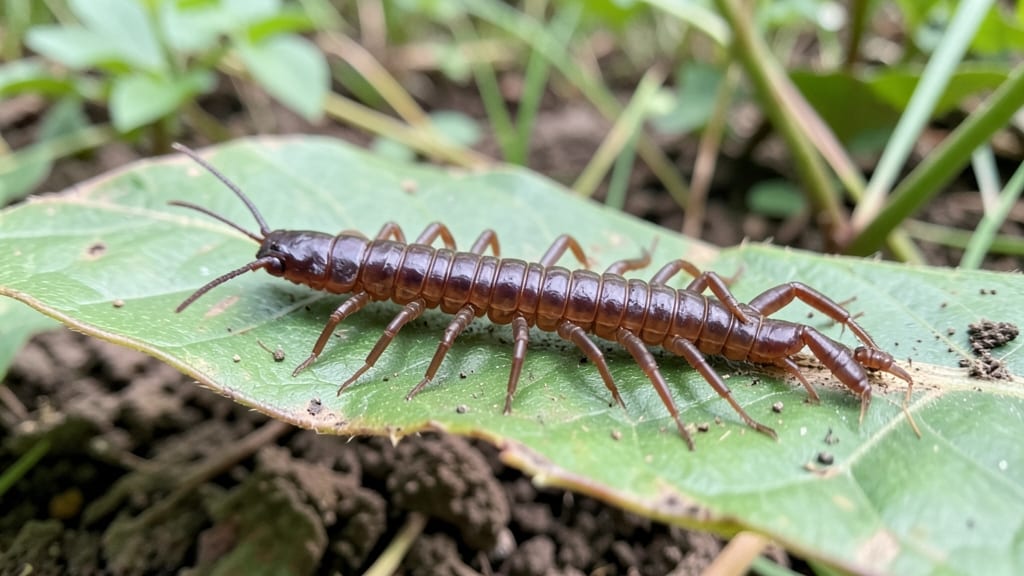
Centipedes in your garden aren't the pests you think they are—these speedy nighttime hunters actually help control slugs, spiders, and even small insects that munch on your plants. 🌿 I used to think they were creepy invaders, but after watching them patrol my vegetable beds, I realized they’re nature’s cleanup crew.
They thrive in moist, shady spots under logs or mulch, and while they might scurry across your path, they rarely bite or harm plants.
The key to keeping their numbers balanced is simple garden maintenance: clear debris, reduce standing water, and avoid over-mulching in damp areas. Centipedes need moisture, but too much turns your garden into their playground—and your yard into their highway.
A few well-placed rocks or a thin layer of coarse mulch can discourage them from overstaying their welcome without harming them or your plants.
You’ll notice fewer slug trails and fewer chewed leaves once these predators move in, but they won’t overrun your garden. Their presence means your soil ecosystem is healthy, and with a few tweaks, you can keep their benefits without the creepy-crawly surprise.
The best part? No chemicals, no traps—just a natural pest-control ally working overnight.
If you’re still nervous about them, focus on keeping their favorite hiding spots tidy. A quick sweep under garden beds or a few raised boards can cut down on their numbers while letting them do their job. Your plants—and your peace of mind—will thank you.
Why Your Garden Becomes Centipede Central
Centipedes may seem like unwelcome guests, but their presence in your garden isn’t random—it’s a result of specific environmental and ecological factors. Understanding these causes can help you manage them effectively while appreciating their role in your garden’s natural balance. Here’s why these many-legged visitors show up when they do:
Centipedes thrive in damp, humid conditions because their exoskeletons can’t retain moisture like ours can. If your garden has:
- Poor drainage (water pooling after rain or irrigation)
- Thick mulch or leaf litter (creating a damp microclimate)
- Decaying wood, compost piles, or rotting plant debris (their favorite buffet)
They’ll seek shelter in these areas, especially under rocks, logs, or dense ground cover. Pro tip: 💡 If you notice centipedes clustering near a specific spot, check for hidden moisture traps—like overwatered flower beds or shaded corners where humidity lingers.
Centipedes are natural predators, and their presence often signals a feast of insects, spiders, or even small pests like slugs.
If your garden is a hotspot for: - Soft-bodied pests (e.g., cutworms, earwigs, or pill bugs) - Spiders and other arachnids (their primary protein source) - Decaying plant material (attracting prey like flies or beetles)
They’ll stick around to hunt. Actionable insight: 🎯 If centipedes are overrunning a specific plant, it may be a sign of an underlying pest problem—like aphids or grubs—that’s drawing them in.
Centipedes are nocturnal and prefer dark, undisturbed spaces. Common hiding spots in gardens include:
- Under rocks, bricks, or garden decor (they love tight crevices)
- Inside woodpiles or stacked pots (dark and damp)
- Under dense ground covers or thick mulch (like ivy or hostas)
If your garden has lots of these nooks, centipedes will treat it like a luxury hotel. Quick fix: 🔥 Rake up leaf litter periodically and store firewood off the ground to reduce their real estate options.
Centipedes are most active during:
- Warm, humid nights (spring and fall, when moisture is high)
- After rain (they emerge to hunt softened soil-dwelling prey)
- Dry spells following rain (they seek shelter in damp areas)
If your garden experiences sudden temperature shifts or prolonged humidity, expect a centipede surge. Weather watch: ⏰ Keep an eye on forecasts—centipede activity often spikes 24–48 hours after a heavy downpour.
In a balanced ecosystem, birds, frogs, and even larger centipedes (like the house centipede) keep their numbers in check.
But if your garden lacks: - Bird feeders or baths (attracting insect-eating birds) - Ponds or shallow water sources (for amphibians like frogs) - Diverse plantings (supporting a variety of predators)
Centipede populations can grow unchecked. Eco-friendly tip: 🌡️ Encourage biodiversity by planting native flowers and installing a small water feature—it’s a win for your garden’s food web!
Sometimes, our well-intentioned gardening practices backfire:
- Overuse of pesticides (killing centipedes’ prey and their natural predators)
- Compacted soil (reducing aeration and increasing moisture retention)
- Removing all leaf litter (depriving them of natural habitat)
Centipedes may then migrate to your home or garden in search of better conditions. Mindful gardening tip: ✨ Opt for targeted pest control (like neem oil for specific pests) and leave some leaf litter in corners—it’s a free pest-control service!
Centipedes don’t invade gardens by accident—they’re following food, water, and shelter cues. By addressing these factors, you can manage their numbers without harming them (or your garden’s ecosystem). Think of them as tiny, many-legged security guards—just don’t let them guard your house!
Natural Ways to Manage Garden Centipedes
Centipedes may be your garden’s unsung heroes, but their presence can still feel unsettling—especially when they’re lurking in unexpected places. The good news? You don’t need harsh chemicals to keep their numbers in check.
Instead, focus on targeted, eco-friendly solutions that respect their role while keeping them from becoming a nuisance. Below, we break down cause-specific fixes and prevention tips to maintain a balanced, centipede-friendly garden.
Centipedes thrive where other pests do, so cutting off their prey is the first step.
🍳 Fix Overcrowded Pest Populations
Centipedes feast on slugs, snails, roaches, spiders, and even small insects.
If you’re seeing an influx, your garden might already be hosting a buffet for them. - 👨🍳 Set up beer traps for slugs and snails (bury a shallow dish filled with beer near plants—centipedes will follow). - 🥘 Introduce natural predators like ground beetles, birds, or chickens (they’ll compete with centipedes for food). - ⏰ Prune dense vegetation where pests hide (centipedes love shady, moist spots—reduce their real estate).
💡 Pro Tip: If you’re using diatomaceous earth (DE) for other pests, apply it sparingly—it can harm centipedes too. Opt for food-grade DE in small doses near problem areas only.
Centipedes love damp, dark spaces. If your garden stays soggy, they’ll stick around.
🔪 Improve Drainage and Reduce Hiding Spots
- ✨ Fix leaky hoses or irrigation—standing water attracts centipedes and their prey.
- 🎯 Use gravel or mulch in shady, damp areas to improve airflow and dryness.
- 🌿 Elevate wood piles or debris (centipedes nest in rotting logs—store them off the ground and away from the garden).
💡 Pro Tip: If you have potted plants, ensure drainage holes are clear. Centipedes can crawl into pots and hitchhike indoors.
Centipedes wander inside when outdoor food sources dry up or during extreme weather.
🏠 Seal Entry Points and Adjust Landscaping
- 🔧 Caulk gaps around windows, doors, and foundation cracks (use silicone caulk for a tight seal).
- 🌿 Trim vegetation touching your home’s exterior—centipedes use plants as bridges.
- 🧹 Keep basements and crawl spaces dry with dehumidifiers or fans.
💡 Pro Tip: If you spot centipedes indoors, vacuum them up—don’t squish them! Their bodies release a foul odor when crushed, and it can stain surfaces.
The key to coexistence? Balance. Centipedes are beneficial, so the goal isn’t eradication—it’s management.
🌱 Encourage Their Natural Habitat (But Keep Them Outside)
- 🍂 Leave some leaf litter in corners of the garden (they’ll stay put if food is abundant outdoors).
- 🌿 Plant native, drought-tolerant species—centipedes prefer lush, moist gardens, so arid zones deter them naturally.
- 🐛 Use companion planting—marigolds, garlic, and mint repel many pests, reducing centipede incentives.
💡 Pro Tip: If you’re composting, turn it regularly—centipedes love compost piles but can spread indoors if the pile is too close to your home.
Final Thought: Centipedes are not pests—they’re pest controllers. With these adjustments, you’ll keep their numbers in check without harming them or your garden’s ecosystem. 🌿✨
Frequently asked questions
Are centipedes actually good for my garden?
These many-legged hunters feast on pests like slugs, spiders, and soft-bodied insects. Their presence means your garden has a balanced ecosystem—fewer slug trails and chewed leaves are a sign they're doing their job. Just avoid overwatering damp areas to keep their numbers in check.
Why do I see more centipedes after rain?
Centipedes thrive in damp conditions, and heavy rain creates their perfect hunting ground. The softened soil releases their prey (like worms and beetles), and they emerge to feast. After rain, check for standing water or over-mulched areas—they’ll cluster where moisture lingers.
How do I keep centipedes from coming indoors?
Seal cracks in your foundation, use silicone caulk around windows, and trim vegetation touching your home. Keep basements dry with dehumidifiers, and store firewood away from the house. If you spot one inside, vacuum it up—don’t crush it (their scent glands can stain surfaces).
Will centipedes harm my plants?
No—they’re beneficial predators, not plant-eaters. However, if you see excessive centipede activity, it may signal a pest problem (like slugs or grubs) that’s drawing them in. Focus on reducing hiding spots (like thick mulch) and improving drainage to balance their numbers.
Can I use pesticides to control centipedes?
Not recommended! Pesticides kill their prey first, leaving centipedes without food and forcing them to seek shelter indoors. Instead, use targeted methods like beer traps for slugs or diatomaceous earth (sparingly) to manage pests without harming these helpful hunters.