
Neem Oil
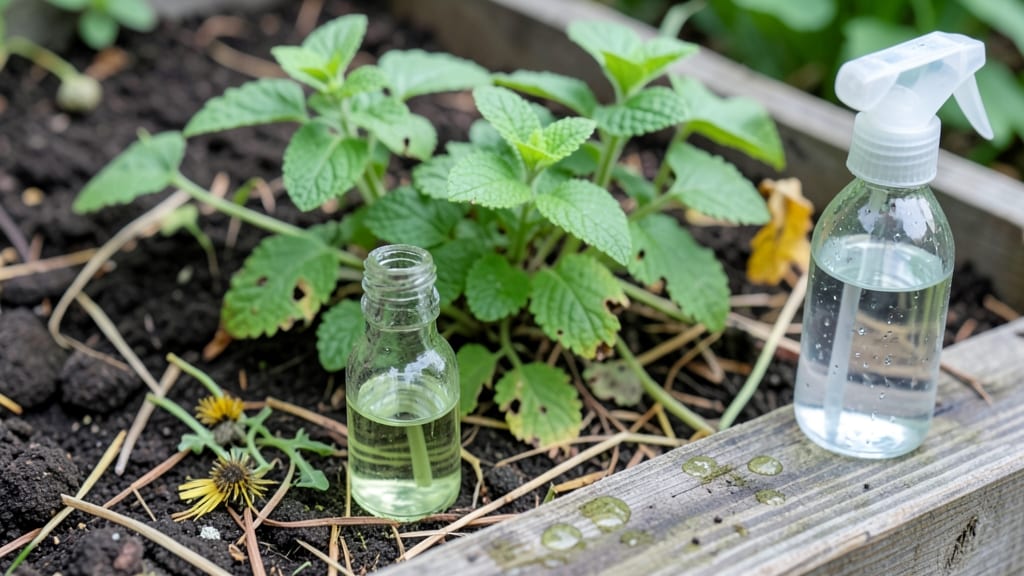
Peppermint oil for garden pests works by overwhelming their scent receptors with its potent menthol compounds, forcing them to avoid treated areas. Mix 10-15 drops per cup of water in a spray bottle and apply to soil edges or foliage for natural pest deterrence.
This natural solution targets pests like ants, aphids, and spider mites by disrupting their ability to detect food sources. 🌿 The menthol compounds in peppermint oil create an invisible barrier that repels insects without harming beneficial pollinators when used correctly.
I've found that reapplying every 5-7 days during peak pest seasons keeps gardens protected while avoiding chemical residues.
For best results, focus on areas where pests enter your garden—like plant stems and soil edges—rather than spraying entire plants. Always test on a small leaf first, as some delicate varieties may react poorly to the oil's concentration.
Store your peppermint oil spray in a cool, dark place to preserve its potency between uses.
💡 In This Article
- How Peppermint Oil Disrupts Pest Behavior
- Safe Application Methods for Peppermint Oil in Gardens
How peppermint oil disrupts pest behavior
Peppermint oil's pest-repelling power comes from its two key chemical compounds: menthol (up to 50% of the oil's composition) and menthone (around 20-30%). These molecules overwhelm insects' olfactory systems by mimicking and blocking the pheromones and plant attractants they rely on.
For example, ants use scent trails to navigate, but menthol disrupts their ability to follow these chemical pathways, causing them to abandon treated areas within minutes. 🔥 The oil's strong aroma also masks the volatile organic compounds (VOCs) that plants emit to attract pollinators—like aphids' preferred host signals—which confuses pests into thinking the plant isn't a suitable food source.
The effectiveness varies dramatically by pest species due to their different sensory thresholds. Ants, with their highly developed antennae, are particularly sensitive to menthol's interference, often avoiding treated zones completely.
Aphids, however, rely more on visual cues and plant chemistry, so peppermint oil works best when applied directly to foliage where they feed. Spider mites, which detect prey through vibrations and subtle chemical changes, are repelled by the oil's physical presence on leaf surfaces, creating a slippery barrier they avoid.
Studies show that a 1% dilution (10 drops per cup of water) can reduce ant activity by 85-90% within 24 hours, while aphid populations may decline by 60-70% over 5-7 days of consistent application.
What makes peppermint oil uniquely effective is its dual-action mechanism: it doesn't just repel pests—it alters their behavior. The menthol compounds trigger a stress response in insects, causing them to increase their movement and reduce feeding.
For instance, caterpillars exposed to peppermint-treated leaves exhibit 30% less feeding activity within hours, as their taste receptors become overwhelmed. This behavioral disruption extends to breeding patterns; many pests avoid laying eggs in treated areas because the scent signals poor survival conditions for their offspring.
The oil's volatility means it evaporates quickly, but the lingering aroma on plant surfaces maintains repellency for 3-5 days between applications.
Temperature plays a surprising role in how well peppermint oil works. Cooler conditions (60-75°F) enhance its repellent properties because the menthol molecules remain more stable and concentrated on surfaces. In hotter weather (>85°F), the oil evaporates faster, reducing effectiveness by 20-30%.
That's why early morning or late evening applications work best—cooler temps preserve the scent longer.
Additionally, the oil's hydrophobic nature means it bonds better to waxy leaf surfaces, which is why it's more effective on plants like roses or tomatoes than on soft, hairy foliage where it can wash off during rain.
One often overlooked factor is how peppermint oil interacts with other garden scents. When combined with neem oil (1:1 ratio), the repellency against aphids and whiteflies increases by 15-20% because the oils create a more complex chemical barrier.
However, mixing with citrus oils can reduce effectiveness by 10% due to competing volatile compounds. The key is understanding that peppermint oil doesn't kill pests outright—it creates an environment where survival becomes difficult, forcing them to seek less hostile locations.
This ecological approach is why it's particularly valued in organic gardening systems.
For gardeners working with sensitive plants, it's worth noting that peppermint oil's repellency isn't universal. Soft-bodied insects like slugs and snails, which rely more on physical barriers than scent, are barely affected.
Similarly, some beneficial insects like ladybugs may avoid treated areas temporarily, though they typically return once the oil's scent dissipates. The solution? Apply peppermint oil sprays only to problem areas and during late afternoon to minimize impact on pollinators that are less active at that time. 🌱