
Vegetables
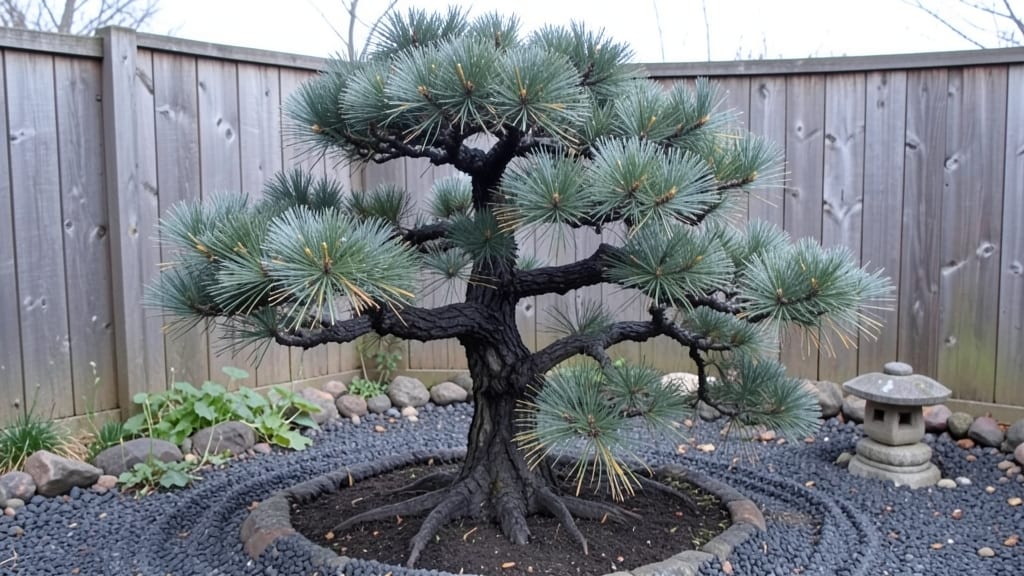
The Chinese Scholar Garden in Staten Island, NY, is a serene 1.5-acre retreat blending classical Chinese landscape design with native plants, featuring koi ponds, stone bridges, and traditional pavilions. Open seasonally, it offers guided tours, cultural workshops, and a tranquil escape from urban life.
The Chinese Scholar Garden in Staten Island, NY, is a masterpiece of cultural fusion, where traditional Chinese landscape principles meet local botanical realities. 🌿 Designed to embody yuan-shan harmony—balancing water and mountain elements—this garden uses native plants like azaleas and maples alongside classic Chinese species such as bamboo and wisteria.
The result is a space that feels both timeless and distinctly Staten Island, offering visitors a peaceful respite from city life while showcasing authentic cultural craftsmanship.
What makes this garden truly special is its seasonal transformation. Spring brings vibrant azalea blooms, while autumn paints the landscape in fiery maple hues, creating a dynamic experience for repeat visitors. The garden's seasonal workshops, like tea ceremonies and calligraphy sessions, provide deeper cultural immersion beyond just sightseeing.
For those planning a visit, I recommend checking their schedule for special events—like the annual Moon Festival—which often include traditional performances and seasonal treats.
💡 In This Article
- Design Principles Behind Staten Island’s Chinese Scholar Garden
- Best Times to Visit and Seasonal Highlights
Design principles behind Staten Island’s Chinese scholar garden
The garden’s foundation rests on yuan-shan harmony, a Chinese landscape philosophy balancing water and mountain elements to create visual equilibrium. Here, the 1.5-acre space achieves this through carefully positioned koi ponds (representing water) and gently sloping mounds (symbolizing mountains).
The ponds, averaging 3-5 feet deep, mirror the sky while their placement along pathways guides visitors through a meditative journey—much like traditional Chinese gardens where every element serves both aesthetic and spiritual purposes.
Feng shui integration is visible in the garden’s stone bridges, which aren’t just functional but strategically positioned to channel qi (life energy) through the space.
The bridges, constructed from local bluestone, curve gently to encourage slow movement, while their placement avoids direct water flow—following the principle that water should never be blocked in a landscape.
This detail reflects how the garden adapts classical Chinese principles to Staten Island’s geography, where natural water features are less pronounced than in southern China.
The plant selection tells a story of cultural adaptation. Classic Chinese species like bamboo (symbolizing resilience) and wisteria (representing longevity) grow alongside native azaleas and maples, which thrive in the region’s humid subtropical climate.
The azaleas, with their 3-inch blooms, create vibrant spring displays, while the maples provide autumn foliage that rivals New England’s famous leaf seasons. This blend ensures the garden remains visually stunning year-round while respecting its local environment.
What’s fascinating is how the garden’s traditional pavilions serve as focal points that anchor the design. These structures, often positioned near water features, follow the three-hill, one-cave principle—where hills symbolize stability and caves represent mystery.
In Staten Island’s context, these pavilions become quiet spots for reflection, their curved roofs designed to harmonize with the surrounding landscape rather than dominate it, a key aspect of Chinese garden philosophy.
The climate adaptation is particularly clever. While bamboo and wisteria are hardy in Staten Island’s USDA Zone 7b, the garden’s designers incorporated deeper soil layers> to support their root systems.
Native azaleas, which prefer slightly acidic soil, were planted in mulched beds> to mimic their natural forest floor conditions. This thoughtful approach ensures the garden’s botanical integrity while maintaining its cultural authenticity.
For visitors, understanding these principles transforms a simple walk into an immersive experience. The stone pathways>, for instance, aren’t just trails—they’re designed to lead you past key elements in a specific order, creating a narrative as you explore.
This attention to detail is what makes the garden feel both ancient and fresh, a perfect marriage of tradition and local adaptation. 🌿