
Fertilization
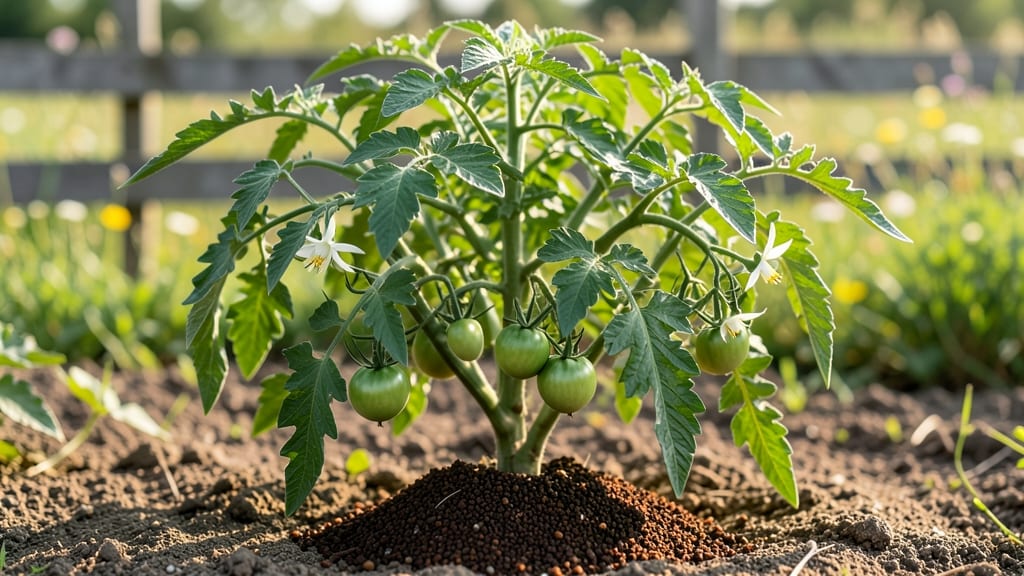
Coffee grounds in the vegetable garden improve soil acidity, deter pests like slugs, and add nitrogen-rich organic matter, but overuse can disrupt nutrient balance and attract mold. Apply them sparingly as a mulch or compost additive.
Coffee grounds act like a natural soil booster because they're packed with nitrogen, which helps plants grow lush and green, while also repelling critters like slugs and snails. 🌱 The caffeine in used grounds works as a mild pesticide, and the gritty texture improves drainage.
However, too much can make the soil too acidic for sensitive plants like tomatoes or peppers, so I always mix them into the compost pile first or spread them thinly around acid-loving crops like blueberries and potatoes.
For best results, I recommend sprinkling a thin layer (½ inch) around plants or working them into the top 2 inches of soil. Fresh grounds can attract mold, so I let them dry out completely before applying.
If you're composting, they break down quickly and add valuable organic material without the risk of over-acidifying your soil.
💡 In This Article
- How Coffee Grounds Enhance Soil Health
- Best Practices for Applying Coffee Grounds Safely
How coffee grounds enhance soil health
Coffee grounds are a nutrient powerhouse for garden soil because they contain a balanced mix of essential elements.
Fresh coffee grounds are about 2% nitrogen (by weight), which is crucial for leafy green growth, along with smaller amounts of phosphorus (0.1%) for root development and potassium (0.2%) for overall plant vigor.
The key here is their carbon-to-nitrogen ratio (C:N) of about 20:1, which makes them an excellent "green" compost ingredient that breaks down quickly while feeding soil microbes.
The real magic happens when these grounds interact with soil microorganisms. The nitrogen content acts as a food source for bacteria and fungi, which in turn break down the organic matter into humus—dark, spongy material that improves soil structure. This process also releases additional nutrients as microbes excrete them.
Coffee grounds also contain melanoidins, compounds formed during roasting that act as natural chelators, helping bind and release nutrients like iron and manganese that plants can absorb more easily. 🔥
One of the most noticeable benefits is how coffee grounds influence soil acidity. Used coffee grounds have a pH of about 6.2-6.8, but as they decompose, they can lower soil pH to 5.0-6.0—ideal for acid-loving plants like blueberries, azaleas, and potatoes.
This acidification happens because the decomposition process releases organic acids that react with soil minerals. However, this effect varies by soil type: sandy soils (which drain quickly) will show more pronounced acidification than clay soils (which buffer pH changes).
The physical structure of coffee grounds also plays a role in soil health. Their coarse, gritty texture improves soil aeration by creating tiny air pockets, while their ability to hold water (about 2-3 times their weight in moisture) helps prevent drought stress in plants.
This water retention is particularly valuable in sandy soils where water drains too quickly. The grounds also act as a natural mulch, slowing evaporation and keeping roots cool during hot days.
What most gardeners don't realize is how coffee grounds support beneficial microbial communities. Studies show that coffee-amended soils develop 30-50% more fungal biomass within weeks, thanks to the cellulose and lignin in the grounds. These fungi form symbiotic relationships with plant roots, helping them access nutrients more efficiently.
The caffeine in coffee (though it breaks down over time) also acts as a mild antimicrobial, which can suppress harmful pathogens while allowing beneficial microbes to thrive.
For optimal results, I recommend mixing ½ cup of dried coffee grounds per square yard into the top 2-3 inches of soil, or using them as a thin mulch layer. Fresh grounds should always be composted first to prevent mold growth and nutrient loss.
The key is balance—too much can create a nitrogen "hot spot" that burns plant roots, while too little won't provide enough microbial activity to see benefits. 💫