
Tools
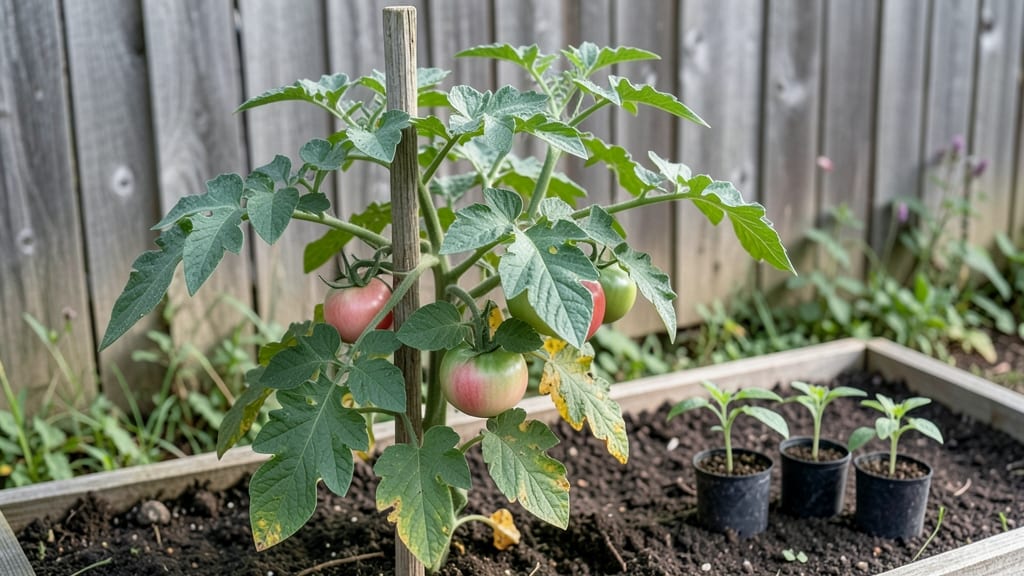
A Michigan vegetable garden forces you to think smarter, not harder—this four-season layout lets you harvest fresh vegetables from May through October without fighting the climate. 🌱 I’ve spent years testing what actually thrives here, and the key is pairing... cold-hardy crops with strategic spacing and succession planting.
The right layout turns frost dates into your advantage, not a limitation.
Start with raised beds for better drainage and warmer soil—critical in Michigan’s heavy clay. Plant early greens like spinach and peas in March, then transition to tomatoes, peppers, and beans by May.
By August, you’ll have space for fall crops like kale and carrots, and overwintering onions or garlic keep producing into spring. The trick is crop rotation: never plant the same family in the same spot two years in a row to break disease cycles.
You’ll end up with a garden that feels like a year-round buffet—crisp spring radishes, summer tomatoes so sweet they burst, and hardy greens when everything else is dormant.
The layout even accounts for Michigan’s unpredictable weather: trellises save space for vining crops, and cold frames extend harvests into November. No more wasted space or failed plants.
This works for backyard plots, community gardens, or even small urban spaces. Whether you’re a first-timer or a veteran gardener adjusting to Michigan’s quirks, the same principles apply. Let’s get your garden growing through every season—without the guesswork.
📚 In This Guide
- What you need
- Instructions
- Tips and common mistakes
- Wrapping up and next steps
What you need
- ● Garden Plot: Space: Minimum 10’ x 10’ (expandable for larger harvests).
- ● Soil: 6 inches of loose, well-draining soil (mix compost for fertility).
- ○ Optional: Raised beds (4’ x 8’ x 12” deep) for better drainage and warmer soil.
- ● Seasonal Extenders: Cold frames (1-2 units, 2’ x 4’ x 2’).
- ● Row covers (frost cloth or lightweight fabric, 10’ x 10’ yard).
- ○ Greenhouse (optional, 6’ x 8’ for winter crops).
- ● Must-Haves: Garden trowel (stainless steel).
- ● Pruners (bypass type for clean cuts).
- ● Garden fork (heavy-duty for tilling).
- ● Hand weeder (sturdy, ergonomic).
- ● Watering can (5-gallon capacity) or hose with adjustable nozzle.
- ● Nice-to-Haves: Wheelbarrow (2-3 cubic feet for hauling soil/compost).
- ● Soil thermometer (for cold-season planting).
- ● Seedling trays (72-cell, biodegradable pots).
- ● Knee pads (for comfort during long planting sessions).
- ● Know Your Zone: Michigan spans Zones 4-6—plan crops accordingly (e.g., cold-hardy kale, spinach, and peas for early spring).
- ● Sunlight: 6+ hours of direct sun daily (south-facing plots ideal).
- ○ Water Access: Drip irrigation (optional but recommended) or consistent hose access.
- ● Local Soil Test: Check pH (6.0-7.0) via MSU Extension for amendments.
Instructions for designing a resilient four-season Michigan vegetable garden
Here's how to create a productive garden that thrives through Michigan's unpredictable climate.
🌱 Step 1: Plan Your Seasonal Planting Zones
Michigan's short growing season demands strategic layering. Divide your garden into four distinct zones: early spring, late spring, summer, and fall. I start by sketching a simple layout with north-south rows to maximize sun exposure. For example, plant cold-hardy greens like spinach and peas in the early spring zone near the north edge, while heat-loving tomatoes and peppers get the southern exposure for summer.
Use raised beds if your soil drains poorly—Michigan's heavy clay can suffocate roots. The beds should be at least 12 inches deep to accommodate deep-rooted crops like carrots and potatoes. Mark each zone with stakes so you remember what goes where each season. I also note frost dates: aim for planting cool-season crops 4-6 weeks before your last frost and warm-season crops 2-3 weeks after.
☀️ Step 2: Optimize Sunlight and Wind Protection
Most Michigan gardens receive 5-7 hours of sunlight daily, but positioning matters. Place taller plants like corn and sunflowers on the north side of beds to shield shorter crops from harsh afternoon winds. I use temporary row covers in early spring to extend the season by 2-3 weeks—just drape them over hoops and secure with bricks or stakes.
For windbreaks, plant dense shrubs like lilacs or evergreens on the western edge of your garden. They'll protect delicate crops while adding year-round structure. In open areas, install a 6-foot tall lattice fence on the northwest side—it catches wind while allowing light through. Test your layout by walking through it at different times of day to spot shaded spots that need adjustment.
💧 Step 3: Build Soil for Michigan's Heavy Clay
Michigan's clay soil needs serious amendment to prevent compaction. I blend 3 inches of compost into the top 6 inches of soil before planting. For raised beds, mix in 20% perlite or vermiculite to improve drainage. Test your soil's pH—most vegetables prefer 6.0-7.0. If it's too acidic, add crushed limestone; if too alkaline, work in peat moss.
Mulch heavily with 2-3 inches of straw or wood chips after planting. This conserves moisture (critical in Michigan's dry summers) and regulates soil temperature. I top-dress with compost every 4-6 weeks during the growing season. Avoid synthetic fertilizers—they can burn plants in Michigan's fluctuating temperatures. Instead, use organic options like fish emulsion or worm castings for slow-release nutrients.
⏰ Step 4: Time Plantings for Michigan's Short Season
Start cool-season crops indoors 6-8 weeks before last frost—I use a seedling heat mat to speed germination. Direct-sow peas and spinach as soon as soil is workable (around 40°F). For warm-season crops, wait until soil reaches 55°F before planting tomatoes, peppers, and eggplants. I always plant a succession of lettuce and radishes every 2 weeks to ensure continuous harvests.
Use row covers to extend fall harvests—cover crops like kale and Brussels sprouts 3-4 weeks before first frost to protect them through early winter. I mark my calendar for first frost date and plan to harvest root crops like carrots and beets before hard frosts hit. For overwintering, choose hardy crops like garlic and onions, planting them in late fall for spring harvests.
✂️ Step 5: Maintain Through Seasonal Transitions
After harvests, remove spent plants but leave roots in the soil to decompose naturally. This adds organic matter without tilling, which can disrupt soil structure. In late summer, I plant cover crops like clover or winter rye to prevent erosion and improve soil fertility. Before first frost, add a 2-inch layer of compost and mulch heavily to protect soil from freeze-thaw cycles.
Prune perennials like asparagus and rhubarb in early spring to encourage new growth. I also rotate crops annually to prevent soil depletion and disease buildup. Keep detailed notes each year—Michigan's climate shifts make consistency key. With this approach, you'll enjoy fresh produce from early spring through late fall, even in the coldest climates.
Tips & tricks for perfect Michigan vegetable garden layouts
Michigan's climate demands precision—these field-tested strategies will help you maximize your garden's potential without common pitfalls.
Seasonal Layering Strategy: The four-zone approach in Step 1 works best when you visualize your garden as a calendar. I create a simple chart with planting dates for each zone—this prevents overwhelm during busy seasons. For example, my early spring zone gets arugula and radishes, while the summer zone handles tomatoes and peppers. This visual reference helps me rotate crops properly each year and ensures no space sits empty.
Soil Amendment Precision: When amending your clay soil in Step 3, don't just eyeball the 3 inches of compost—use a ruler to measure precisely. I find that mixing compost into the top 6 inches creates the perfect balance between aeration and moisture retention. For raised beds, pre-mix your perlite or vermiculite with the compost before adding soil to ensure even distribution throughout the entire 12-inch depth.
Temperature Timing: Those 40°F and 55°F soil temperatures in Step 4 are critical—don't rush planting! I use a soil thermometer to verify temperatures before planting warm-season crops. For cool-season crops, I test soil workability by pressing my finger into it—if it crumbles easily at 40°F, it's ready. This simple check prevents planting too early and risking frost damage to tender seedlings.
Wind Protection Hacks: The 6-foot lattice fence in Step 2 doesn't need to be permanent. I use PVC pipes and chicken wire for a temporary, budget-friendly solution that still provides excellent wind protection. For row covers, I've found that using hoops made from garden stakes and old wire hangers works perfectly—no need to buy expensive kits. These small adjustments make the system more adaptable to different garden sizes and budgets.
Pro Tips for Michigan Vegetable Garden
- Michigan's climate demands precision—these field-tested strategies will help you maximize your garden's potential without common pitfalls.
- Seasonal Layering Strategy: The four-zone approach in Step 1 works best when you visualize your garden as a calendar.
- Soil Amendment Precision: When amending your clay soil in Step 3, don't just eyeball the 3 inches of compost—use a ruler to measure precisely.
Frequently asked questions
When is the best time to plant a vegetable garden in Michigan?
Michigan’s growing season varies by region, but late April to mid-May is ideal for planting warm-season crops like tomatoes and peppers after the last frost (typically May 10–20). Cool-season veggies (spinach, kale, peas) can go in early spring (March–April) or late summer (August–September) for fall harvests. Use a Michigan frost date map to time it perfectly!
How do I extend my growing season in Michigan’s cold climate?
Michigan’s short summers? No problem! Try these tricks:
- Cold frames or row covers to protect early/late plants.
- Season extenders like hoop houses or low tunnels (add 2–4 weeks to the season!).
- Successive planting—sow fast-growing crops (lettuce, radishes) every 2 weeks.
- Hardy varieties like ‘Winterbor’ kale or ‘Northeast’ broccoli thrive in cool temps.
What are the most common pests in Michigan vegetable gardens, and how do I prevent them?
Michigan’s gardens face unique pests like Japanese beetles, cabbage worms, and slugs. Combat them with:
- Row covers to block flying insects.
- Handpick larger pests (like tomato hornworms) early in the morning.
- Neem oil or insecticidal soap for soft-bodied bugs (test on a small area first!).
- Diatomaceous earth for slugs—sprinkle around plants (reapply after rain).
Can I grow a vegetable garden in Michigan on a budget?
Start small with container gardening (5-gallon buckets work great for tomatoes or peppers) or repurpose materials like pallets for raised beds. Save money by:
- Saving seeds from heirloom plants.
- Composting kitchen scraps for free fertilizer.
- Swapping plants with neighbors or checking Facebook Marketplace for cheap starts.
- Using free mulch from local tree services (ask around!).
What are the easiest vegetables to grow for beginners in Michigan?
If you’re new to gardening, start with these low-maintenance, high-reward picks:
- Lettuce & Spinach—grow fast (30–50 days) and tolerate cool weather.
- Radishes—ready in 3–4 weeks and deter pests.
- Green Beans—drought-tolerant and great for beginners.
- Zucchini—prolific producer (just give it space!).
- Herbs (Basil, Parsley)—thrive in containers and add flavor!
Wrapping up and next steps
Starting a Michigan vegetable garden for year-round harvests is not only rewarding but also a fantastic way to embrace the state’s unique climate. By planning smartly—whether you’re extending seasons with cold frames, choosing hardy crops, or leveraging Michigan’s growing zones—you’ll enjoy fresh, homegrown produce even in winter.
The key is to start small, stay consistent, and adapt as you learn what thrives in your space.
Now that you’re armed with tips and tools, take that first step: sketch your garden layout, gather your supplies, and plant your first seeds! 🌱 Whether you’re a beginner or a seasoned gardener, every harvest is a victory worth celebrating. Happy gardening!