
Pests
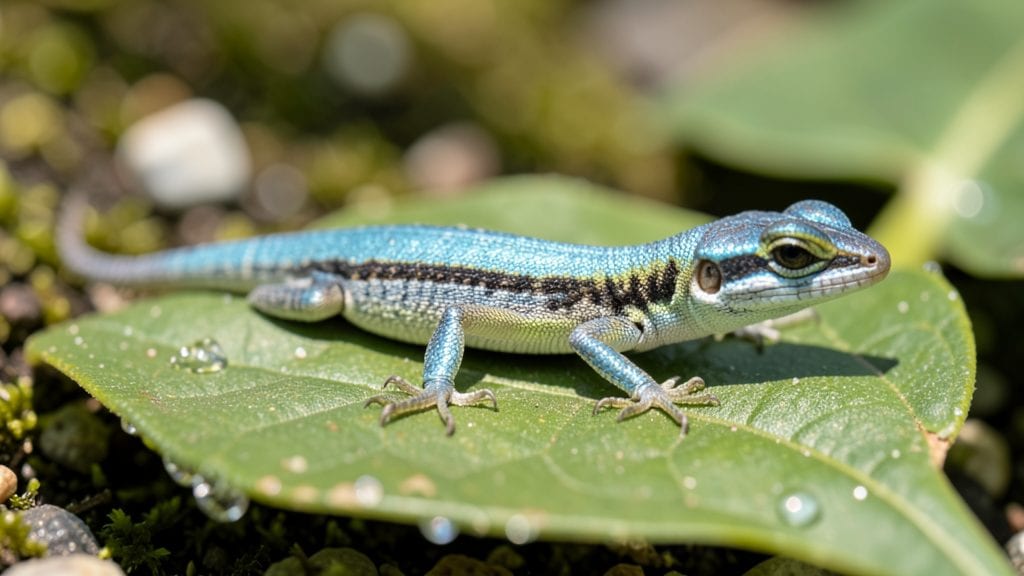
The common garden lizard is harmless to humans, with bites being extremely rare and non-venomous, causing only minor irritation. These helpful reptiles act as natural pest controllers by preying on insects and spiders, making them beneficial for gardens. If you encounter one, safely relocate it rather than harming it.
The common garden lizard, often mistaken for a nuisance, actually plays a crucial role in maintaining garden ecosystems. 🌿 Their bite is defensive and rarely occurs unless they feel threatened or cornered, which explains why most people never experience it.
Unlike venomous species, their saliva contains no harmful toxins, so any discomfort is temporary and mild. These small predators help keep insect populations in check, reducing the need for chemical pesticides and supporting a healthier outdoor environment.
If you find one in your garden, handling it directly isn't necessary. Using a cup and paper or a small net allows you to safely relocate it to a nearby shrub or wooded area where it can thrive without human interference.
The best time for removal is during cooler morning or evening hours when the lizard is less active, making the process smoother for both you and the reptile.
💡 In This Article
- Behavior and Bite Risks of Garden Lizards
- Humane Removal Techniques for Garden Lizards
Behavior and bite risks of garden lizards
Common garden lizards—like anoles or skinks—only bite when they feel threatened, typically during handling or when cornered with no escape route. Their defensive behavior activates when they sense pressure on their tails or bodies, triggering a rapid reflex bite.
Unlike venomous species, their saliva contains no cytotoxic compounds, so any bite delivers only mild irritation similar to a pinprick. The discomfort usually fades within minutes, leaving no lasting effects.
These lizards possess a temperament far milder than their venomous relatives. For comparison, a corn snake's bite might cause localized swelling, while a garden lizard's bite is more akin to a harmless insect sting.
Their non-aggressive nature stems from evolutionary adaptations: they rely on speed and camouflage (like their 360-degree eye movement) to evade predators rather than combat. Even when stressed, they'll often flee before resorting to biting.
Their ecological role as pest controllers is backed by science: a single garden lizard consumes up to 50 insects daily, including aphids, flies, and spiders. This natural pest suppression reduces the need for chemical interventions, making them invaluable to gardeners.
Their presence indicates a balanced ecosystem where predator-prey dynamics thrive without human disruption.
Temperature influences their behavior significantly. During 70-85°F days, they're most active and may explore gardens more boldly. Cooler mornings (60°F) make them sluggish, reducing bite risks during removal attempts. This seasonal pattern explains why encounters spike in late spring and summer when insect populations peak.
What most people overlook is their social structure: garden lizards are solitary and territorial, meaning they rarely interact aggressively with humans unless provoked. Unlike monitor lizards (which can deliver painful bites), these small reptiles lack the jaw strength or venom to cause harm.
Their bite force measures just 0.5 newtons—comparable to a housefly's landing impact.
For context, their defensive posture involves flattening their bodies and hissing loudly—a warning system that precedes biting. This behavior serves as a last resort, demonstrating their preference for avoidance over confrontation. Understanding these cues helps gardeners coexist peacefully with these beneficial reptiles.
If bitten, the mild reaction typically involves minimal redness and no systemic effects. Unlike venomous bites, there's no need for medical attention—just clean the wound with soap and water. This harmless nature underscores why relocating them humanely is always the best approach.