Vegetables
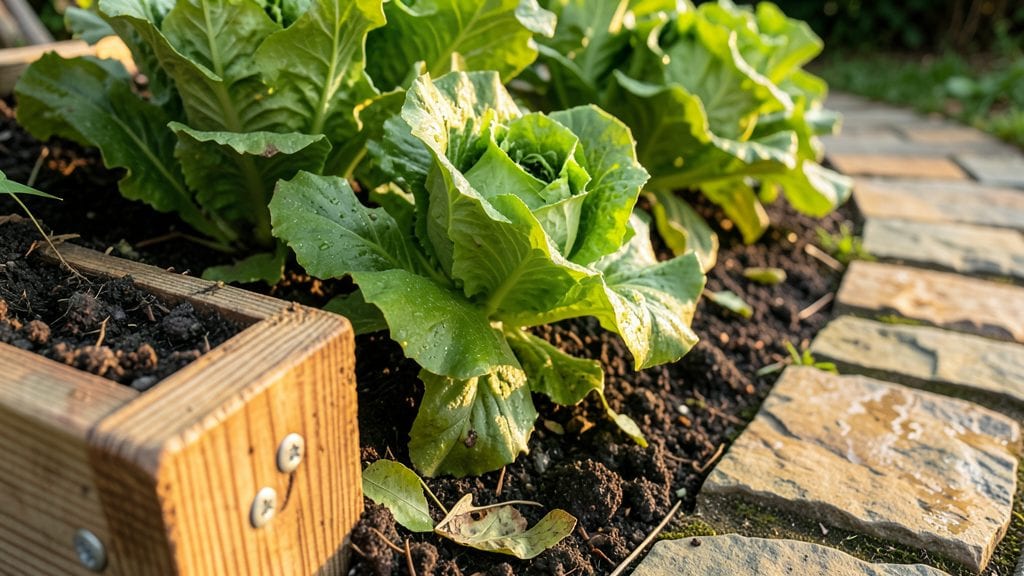
Looking at community garden photos reveals how smart design transforms even tight urban plots into lush, productive spaces. 🌱 The best layouts prioritize sun exposure by placing taller crops like tomatoes or sunflowers on the north side, while leafy greens thrive in partial shade.
I've noticed that gardens with clearly marked zones—like a dedicated herb spiral or a children's planting area—tend to have higher participation rates because everyone feels ownership. Plus, adding a few pollinator gardens with lavender or coneflowers not only supports local ecosystems but also creates stunning visual focal points.
What makes these pictures especially valuable is how they show the human element—shared tool sheds, communal seating areas, and even art installations woven into the design.
These features turn gardening from a solo task into a social experience, which is why so many urban gardens report stronger community bonds after just a few seasons. The key takeaway? Even a small plot can become a vibrant, functional space when you focus on both aesthetics and practicality.
💡 In This Article
- Design Principles Behind Successful Community Gardens
- Photography Tips for Capturing Garden Layouts
Design principles behind successful community gardens
Successful community gardens thrive on strategic layouts that balance productivity with accessibility. The most efficient designs start with sun exposure mapping—placing sun-loving crops like tomatoes and peppers on the south side of beds (in the Northern Hemisphere) where they receive at least 6-8 hours of direct sunlight daily.
Meanwhile, shade-tolerant greens such as lettuce or spinach get positioned along the north edges or under taller plants like corn or sunflowers. This zoning isn't just about yield; it's about creating a self-sustaining ecosystem where plants support each other's growth. 🌞
Soil diversity is another critical factor. Experienced gardeners often divide plots into three distinct zones: one for heavy feeders (like squash or peppers), another for medium feeders (beans or cucumbers), and a third for light feeders (leafy greens).
Each zone gets amended differently—heavy feeders might get compost-rich soil with balanced fertilizer, while light feeders thrive in lighter, well-draining mixes.
For example, a 4-foot-wide raised bed might dedicate the south half to tomatoes (heavy feeders) and the north half to kale (medium feeder), with a 2-inch layer of straw mulch between rows to retain moisture and suppress weeds. This precision prevents nutrient competition and maximizes space.
Accessibility transforms gardens from functional spaces into inclusive hubs. Pathways should be at least 3 feet wide to accommodate wheelchairs, strollers, and garden carts, while ergonomic bed heights (typically 24-30 inches) reduce strain for all gardeners.
I've seen gardens incorporate adjustable-height beds or raised platforms near seating areas, making gardening possible for everyone—from children to seniors. Clear ownership zones, like labeled plots or color-coded bed frames, also reduce conflicts and encourage participation.
When people can easily identify their space, they're more likely to invest time and effort. 🌿
Seasonal rotation is the unsung hero of long-term productivity. Gardens that rotate crops annually prevent soil depletion and reduce pest cycles. For instance, planting brassicas (like cabbage) in the spring followed by legumes (like peas) in summer improves soil nitrogen levels naturally. A well-designed rotation might look like this:
- Spring: Leafy greens (spinach, lettuce) in cooler months
- Summer: Heat-loving crops (tomatoes, peppers) in full sun
- Fall: Root vegetables (carrots, beets) before winter
- Winter: Cover crops (clover, vetch) to restore soil health
Shared spaces are where community gardens truly shine. A central harvest table or tool-sharing station becomes the heart of the garden, fostering collaboration. I've observed that gardens with communal areas—like a covered pavilion for rain protection or a shared compost bin area—see higher engagement rates.
These features create natural gathering spots where gardeners swap tips, share produce, and build relationships. The key is designing these areas to be equally accessible—whether through ramps, benches, or shade structures—so everyone feels welcome. 💛
What often surprises newcomers is how small details—like vertical planters on fences or drip irrigation lines buried under mulch—can double productivity. Vertical space is especially valuable in urban gardens, where every square inch counts.
For example, a 6-foot-tall trellis can support 30 pounds of cucumbers in a space that would otherwise grow just one plant at ground level. Similarly, mulching with straw or wood chips reduces watering needs by 30-50% while keeping weeds at bay.
These practical touches turn a garden from a simple plot into a high-output, low-maintenance paradise.