
Container Gardens
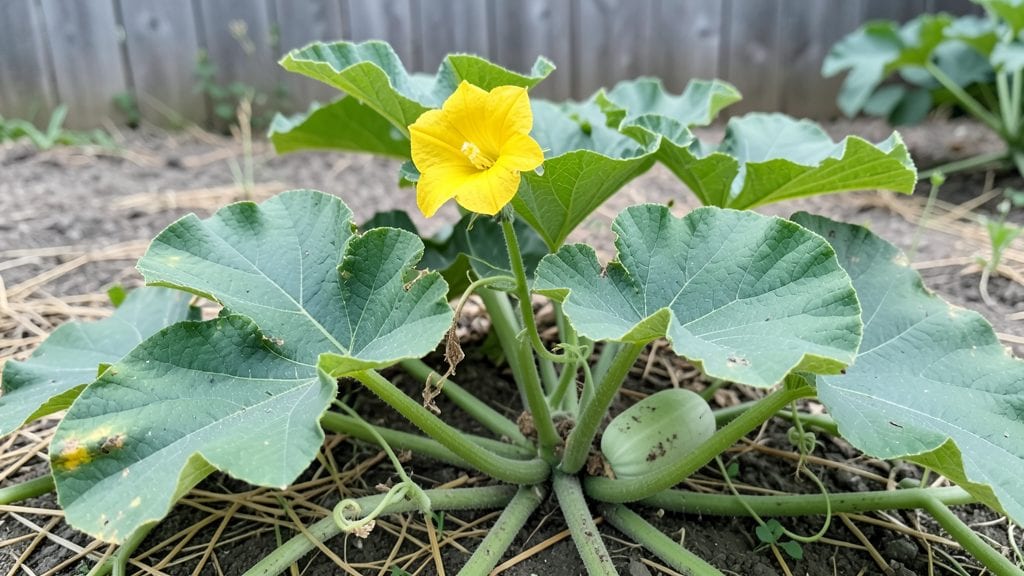
A container garden squash thrives even on a tiny patio—no backyard needed—when you pick the right variety and master the soil and sunlight. 🌱 I’ve grown bush and dwarf types in 5-gallon pots for years, and the secret isn’t just the plant—it’s how you prep the growing conditions. and a few sneaky tricks to keep vines in check.
Most people assume squash needs space, but compact varieties like 'Eight Ball' or 'Patio Star' thrive in containers with the right care.
The key starts with 5-gallon pots or larger (bigger is better for heavier fruits) and a well-draining potting mix mixed with compost. Place containers in full sun (6+ hours daily) and water at the soil level—never overhead—to avoid fungal diseases.
A small trellis or cage keeps vines organized, and pruning side shoots early gives your main stems room to grow.
By midsummer, you’ll be harvesting smooth, glossy squash straight from your balcony. The first fruits arrive in about 50 days, and with proper care, one plant can produce 10+ squash in a single season.
The best part? No weeding, no pests crawling from the ground, and zero guilt about taking up space.
This method works for any small outdoor area, from fire escapes to rooftop gardens. The only real challenge is keeping up with the harvest—once you taste homegrown zucchini or pattypan squash, store-bought versions just won’t cut it. Let’s get those containers planted!
📚 In This Guide
- What you need
- Instructions
- Tips and common mistakes
- Wrapping up and next steps
What you need
- ○ Container: A large, sturdy pot (at least 12–18 inches deep and 18–24 inches wide) with drainage holes. Optional: Self-watering containers for convenience.
- ● Potting Mix: High-quality, well-draining container mix (avoid garden soil—it compacts!). Pro tip: Mix in perlite or compost for extra aeration. 💡
- ○ Squash Seeds or Seedlings: Compact varieties like ‘Eight Ball’ (zucchini), ‘Bush Delicata’, or ‘Patio Star’ (acorn). Optional: Start seeds indoors 2–3 weeks before last frost.
- ○ Fertilizer: Balanced 10-10-10 or organic options like compost tea or worm castings. Optional: Slow-release granules for steady nutrition.
- ● Support (if needed): Small trellis or cage for vining varieties (e.g., ‘Straightneck’ yellow squash).
- ● Tools: Trowel or small shovel for planting.
- ● Watering can with a gentle spray nozzle (to avoid disturbing soil).
- ● Pruning shears (for harvesting and trimming excess growth).
- ● Sunlight: 6–8 hours of full sun daily. Place containers on a south- or west-facing deck/balcony.
- ● Water Access: Containers dry out fast! Ensure a drip irrigation system or consistent watering schedule (1–2 inches per week).
- ● Space: Leave 12–24 inches between containers for airflow (squash plants love room to sprawl!).
- ○ Climate: Most container squash thrive in USDA Zones 3–11. Optional: Use frost blankets in cooler zones. ❄️
Step-by-Step instructions for growing compact squash in containers
Here's how to grow prolific, space-saving squash varieties that thrive in pots.
🪴 Step 1: Select the Right Containers and Varieties
Choose 5-gallon containers with drainage holes—squash roots need room to spread, and waterlogged soil invites rot. I recommend black plastic pots because they absorb heat and keep roots warm, which squash loves. For 4 plants, you'll need 4 containers (one per plant) since squash hates crowding.
Pick compact varieties like 'Eight Ball' zucchini, 'Patio Star' pumpkin, or 'Space Master' butternut. These stay under 3 feet tall and produce 10-12 pounds per plant without sprawling. Avoid vining types like straightneck squash—they'll outgrow containers fast.
🌱 Step 2: Prepare Soil and Plant Seeds Indoors
Fill each container with 2 gallons of potting mix mixed with 1 cup compost. Squash roots need loose, fertile soil to spread, so don't skimp on organic matter. Press the mix down lightly—you want it firm enough to support stems but not compacted like clay.
Plant 2-3 seeds per container at 1 inch deep, spacing them 6 inches apart. I use a pencil to make small holes—this prevents crushing seeds. Cover with soil and water gently until the surface looks evenly moist but not soggy. Place containers in a warm spot (70-75°F) and expect sprouts in 5-7 days.
☀️ Step 3: Harden Off and Transplant Outdoors
When seedlings have 2-3 true leaves (about 3-4 weeks after sowing), move them outside during the day and bring them back at night for 7-10 days. This hardening-off period prevents shock—squash is sensitive to temperature swings. Choose a sunny spot with 6+ hours of direct light daily.
Transplant after all frost risk has passed and soil is at least 60°F. Dig a hole twice as wide as the root ball to encourage spreading. Water deeply right after planting to settle the soil and reduce transplant stress. Mulch with 2 inches of straw to retain moisture and suppress weeds.
💧 Step 4: Water, Feed, and Monitor Growth
Water deeply 2-3 times per week, aiming for 1 gallon per container each time. Squash has shallow roots, so consistent moisture is key—let the top inch of soil dry out between waterings. I use a soaker hose to avoid wetting leaves, which prevents powdery mildew. Avoid overhead watering after noon to let foliage dry quickly.
Fertilize every 2 weeks with a balanced liquid fertilizer (10-10-10) diluted to half strength. You'll see vines spread rapidly—prune side shoots to focus energy on main vines and fruit. Harvest zucchini when 6-8 inches long and small pumpkins when 4-6 inches wide to encourage more production.
✂️ Step 5: Harvest and Extend the Season
Pick fruits every 2-3 days—overripe squash saps energy and attracts pests. Use a sharp knife to cut stems, leaving a small stem attachment on the fruit. Store harvested squash in a cool, dry place (50-55°F) for up to 2 weeks. If frost threatens, cover plants with row fabric—they'll keep producing until temps drop below 30°F.
After harvest, compost plant debris to avoid spreading disease. Clean containers with 10% bleach solution before reuse next season. With proper care, your 4 plants can yield 40+ pounds of squash—enough for fresh eating, roasting, and sharing with neighbors!
Tips & tricks for perfect container garden squash
Growing squash in containers takes the right approach—here's how to maximize your harvest without common pitfalls.
Container Selection: While 5-gallon pots are ideal, fabric grow bags work too—they're lightweight and allow roots to breathe. If using fabric, add a liner to prevent soil loss, especially in windy conditions. Remember, squash roots spread aggressively, so never use containers smaller than 5 gallons unless you're growing dwarf varieties like 'Trombone' zucchini.
Soil Preparation: The 2 gallons of potting mix plus 1 cup compost should be mixed thoroughly—don't just layer them. I like to add a handful of perlite to improve drainage while maintaining moisture retention. This prevents the classic "bottom heavy" issue where roots suffocate in compacted soil. For extra insurance, add a slow-release fertilizer like Osmocote at planting time.
Harden-Off Strategy: The 7-10 day hardening-off period in Step 3 is non-negotiable for squash. I extend this to 14 days if nighttime temperatures dip below 55°F—squash is particularly sensitive to cold stress. Place containers in a sheltered spot during this time to protect from wind, which can cause transplant shock. A small greenhouse or cold frame works wonders for this critical transition.
Watering Wisdom: Those 2-3 waterings per week need precision. Use a moisture meter to check soil depth—aim for consistently damp soil (not soggy) down to 2 inches. Morning watering is best, but if you must water in the evening, ensure foliage dries completely by nightfall to prevent fungal diseases. I've found that adding 1 tablespoon of Epsom salt to each gallon of water every 4 weeks boosts magnesium levels, which squash loves.
Pro Tips for Container Garden Squash
- Growing squash in containers takes the right approach—here's how to maximize your harvest without common pitfalls.
- Container Selection: While 5-gallon pots are ideal, fabric grow bags work too—they're lightweight and allow roots to breathe.
- Soil Preparation: The 2 gallons of potting mix plus 1 cup compost should be mixed thoroughly—don't just layer them.
Frequently asked questions
Got questions about growing squash in containers? You’re not alone! Here are answers to the most common concerns to help you cultivate a thriving harvest—no matter your space or experience level.
What are the best squash varieties for small containers?
Opt for compact or bush varieties like ‘Eight Ball’ (zucchini), ‘Patio Star’ (acorn squash), or ‘Bush Delicata’. These stay under 3–4 feet tall and thrive in 5–10 gallon pots with minimal sprawling. Avoid vining types like butternut unless you’re using trellises!
When is the ideal time to plant container squash?
Start seeds indoors 2–3 weeks before your last frost date, then transplant seedlings after soil warms to 60°F+. For direct sowing, wait until nighttime temps stay above 55°F. Squash hates cold—give it warmth to flourish!
Why is my container squash wilting or dying?
Common culprits include overwatering (squash prefers dry soil), poor drainage (use pots with drainage holes), or pests like squash bugs. Check for yellowing leaves (fungus?) or holes (bugs!) and adjust care. Pro tip: Mulch with straw to retain moisture and deter pests!
Can I grow squash in a container without a trellis?
Choose bush varieties (like ‘Straight Eight’ zucchini) and prune vines to keep them contained. Place pots in full sun (6+ hours/day) and rotate them weekly for even growth. Just avoid overcrowding—one plant per 5–10 gallon container works best.
How do I know when container-grown squash is ripe?
For zucchini, harvest when 6–8 inches long and skin is shiny (not tough). Acorn squash is ready when its stem separates easily from the fruit. Don’t wait too long! Overripe squash turns seedy and bitter. Pick regularly to encourage more production.
Still stumped? Drop your container squash questions in the comments—we’re happy to help!
Wrapping up and next steps
Growing squash in containers is a rewarding way to enjoy fresh, homegrown produce—even in small spaces! 🌱 With the right compact varieties, proper container setup, and a little care, you’ll harvest delicious zucchini, pattypan, or bush varieties all season long.
Whether you’re a beginner or a seasoned gardener, container gardening makes squash accessible, fun, and oh-so-satisfying.
Ready to dive in? Start by choosing your favorite variety, grabbing a few supplies, and giving your plants the love they deserve. Before you know it, you’ll be feasting on homegrown squash—straight from your balcony or patio! 🍉✨