
Vegetables
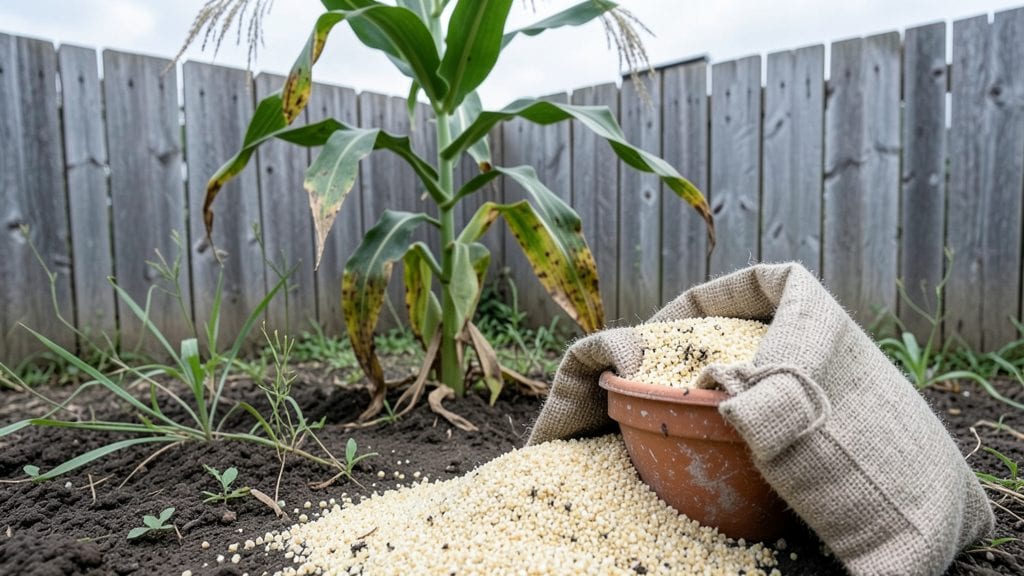
Using cornmeal in the garden acts as a natural slug and pest deterrent, improves soil structure when tilled in, and provides slow-release nitrogen while suppressing weeds. Its mild acidity also helps break down compacted clay soils.
Cornmeal works its magic through a clever trick—it attracts pests like slugs and ants to itself rather than your plants, thanks to its fermenting properties. 🌱 When sprinkled around garden beds, it creates a protective barrier that disrupts slug trails and discourages fungal growth.
I’ve found that applying it after watering in the evening maximizes its effectiveness, as pests are most active then. Plus, it’s a budget-friendly alternative to chemical repellents that won’t harm beneficial insects.
Beyond pest control, cornmeal’s soil benefits are equally impressive. When worked into the earth, it loosens heavy clay and feeds soil microbes, creating a more hospitable environment for roots.
For nitrogen-loving plants like tomatoes or corn, a light dusting around the base can give them a gentle boost without overpowering them. Just remember—while it’s great for most vegetables, acid-loving plants like blueberries might not respond as well.
💡 In This Article
- How Cornmeal Works as a Natural Garden Pest Repellent
- Best Cornmeal Soil Amendments for Different Plant Types
How cornmeal works as a natural garden pest repellent
Cornmeal's pest-repelling superpower comes from its ability to ferment when moist, creating a sticky, yeasty environment that confuses pests. When sprinkled around garden beds, the fine granules attract slugs and snails with their sweet, grainy scent—only to trap them in a gooey mess as they feed.
The fermentation process also produces mild alcohol and organic acids, which disrupt the slimy trails that slugs use to navigate, effectively breaking their communication network.
For ants, cornmeal works differently—it clumps in their digestive systems when consumed, causing them to avoid treated areas.
Studies show that fine cornmeal particles (typically 0.5mm in diameter) physically block ants' mandibles, making it impossible for them to carry food back to their colonies. 🔥 This dual-action approach makes cornmeal particularly effective against both slugs (which it lures and traps) and ants (which it physically repels).
The key is applying it when soil moisture is moderate—too dry and it won't ferment properly, too wet and it may clump uselessly.
Timing matters more than most gardeners realize. The best window is late afternoon or evening when pests are most active and humidity is high. I've found that applying 1/4 cup per 10 feet of garden bed creates an effective barrier without wasting product.
Reapply every 3-5 days after rain, as moisture triggers the fermentation that makes it work. Unlike chemical repellents, cornmeal breaks down completely within 7-10 days, leaving no harmful residues.
What most people don't realize is how cornmeal also inhibits fungal growth—its mild acidity (pH ~6.0-6.5) creates an environment unfriendly to common garden fungi like powdery mildew. The same fermentation that attracts pests also produces compounds that compete with fungal spores for nutrients in the soil.
This makes cornmeal particularly valuable in humid climates where fungal diseases are common. For maximum effectiveness, mix it with 1 part cornmeal to 3 parts compost when applying around susceptible plants.
When comparing effectiveness, cornmeal outperforms diatomaceous earth against slugs (which it lures and traps) but works better than coffee grounds against ants (which it physically blocks). The trade-off? It won't last as long as chemical repellents—about 3-5 days of active protection per application.
For organic gardeners, this short-term effectiveness is often worth the trade-off for its complete biodegradability and safety around children and pets.
Here's a pro tip: For stubborn slug problems, create a "cornmeal moat" around vulnerable plants by forming a 2-inch wide ring of cornmeal mixed with a little water to activate fermentation.
The slugs will follow the scent trail right into your trap, leaving your plants untouched. 💫 Just remember to refresh the barrier after each watering or heavy dew.