
Planting
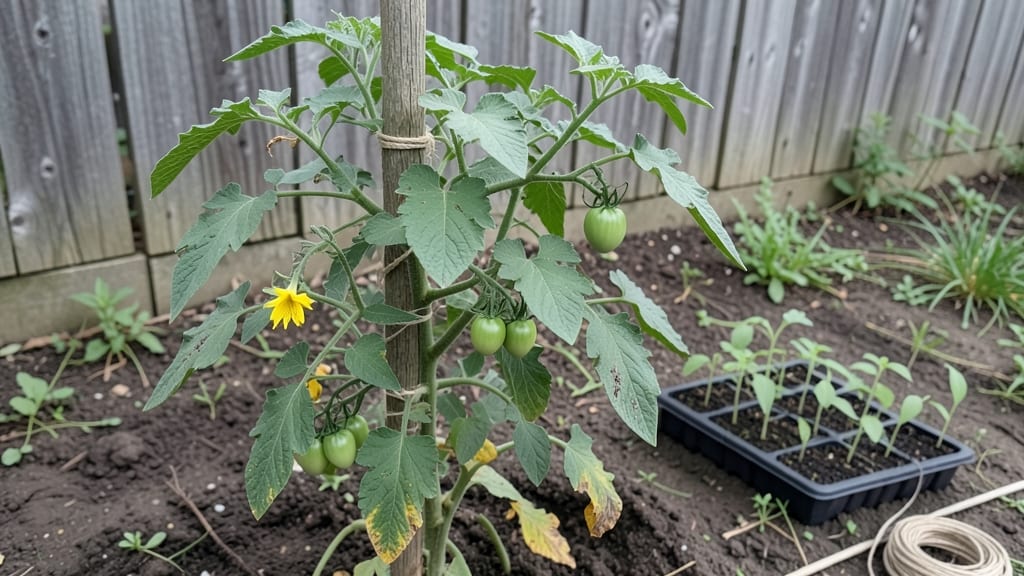
Mastering tomato plant spacing in square foot gardening is the secret to turning your tiny grid into a flavor explosion—unless you cram them like sardines and watch your harvest wither under the weight of its own ambition. 🌱 at a concert, leaving most of them stunted and bitter.
The right spacing isn’t just about fitting plants in; it’s about giving them room to breathe, so they focus energy on fruit instead of competing for air and nutrients.
For indeterminate varieties (the vining giants like Sungold or Brandywine), you’ll need just one plant per square foot, but you’ll need to trellis them vertically to save space.
Determinate tomatoes (the bush types like Roma or Early Girl) can handle four plants per square foot—they stay compact and produce all their fruit in one go. The key is matching your variety to the grid, not cramming them together like sardines in a can.
Too close, and you’ll end up with blight-ridden leaves and tiny, underripe tomatoes.
What you’ll actually get is a bountiful harvest that fills your kitchen with tomatoes all season long. Imagine plucking ripe, sun-warmed heirlooms straight from your 4x4-foot plot instead of staring at sad grocery store produce.
With proper spacing, your plants stay healthy, air circulates to prevent disease, and you avoid the heartbreak of watching tomatoes rot on the vine because they couldn’t reach the sunlight. This isn’t just gardening—it’s maximizing every square inch of your yard like a pro.
Works for urban balconies, backyard plots, or even container setups—just adjust your grid size. Whether you’re growing cherry tomatoes for snacks or beefsteaks for sandwiches, the same spacing rules apply. Let’s turn that small space into a tomato powerhouse without the crowding chaos.
📚 In This Guide
- What you need
- Instructions
- Tips and common mistakes
- Wrapping up and next steps
What you need
- ● Tomato seedlings or seeds: Choose disease-resistant varieties like Early Girl, Cherry Roma, or Brandywine (2–4 plants per 1 sq ft for determinate types; 1 plant per 1 sq ft for indeterminate types).
- ● Square foot garden grid: Pre-made or DIY (1 ft × 1 ft sections).
- ● High-quality potting mix: 1–2 cubic feet per square foot (avoid garden soil—use a blend with compost, perlite, and vermiculite).
- ● Compost or organic fertilizer: Well-rotted manure, worm castings, or balanced 5-5-5 fertilizer (1–2 cups per sq ft).
- ● Support structures: Cages (5–6 ft tall for indeterminate tomatoes).
- ● Trellis or stakes (6–8 ft long for vining varieties).
- ● Twine or soft plant ties (for securing vines).
- ● Watering can or drip irrigation: With a fine rose nozzle to avoid disturbing roots.
- ● Mulch: Straw, shredded leaves, or grass clippings (2–3 inches thick).
- ● Mycorrhizal fungi: Sprinkle on roots at planting to boost nutrient uptake.
- ● Plant collars: Cardboard or plastic rings to prevent soil splashing on leaves.
- ● Pruning shears: For removing suckers (side shoots) as plants grow.
- ● pH test kit: To ensure soil is in the ideal range (6.0–6.8 for tomatoes).
- ● Shade cloth: For hot climates (30–50% shade during peak sun hours).
How to space tomatoes perfectly in square foot gardens
Square foot gardening transforms tight spaces into high-yield tomato powerhouses—here's how to arrange them for maximum fruit and airflow.
🌱 Step 1: Divide Your Square Foot Grid
Square foot gardening works by dividing each 1-foot square into a 4×4 grid of 1-inch cells. For tomatoes, you'll plant 1 plant per square, but the variety determines how many squares you'll use. Determinate (bush) tomatoes need 1 square per plant, while indeterminate (vining) types require 4 squares to sprawl properly. I always sketch my layout first—it prevents overcrowding and helps visualize sunlight paths.
Use a ruler or string to create your grid lines in each square foot. Press a pencil lightly into the soil at each intersection to mark the planting spots. This ensures precise spacing from day one. Real talk: skipping this step leads to uneven growth and competing plants later.
🌿 Step 2: Plant Based on Maturity and Growth Habits
Place your largest, slowest-maturing plants in the northwest corner of each square foot. This prevents them from shading smaller, faster-growing varieties in the south and east. For example, plant your tallest indeterminate tomato in the northwest cell, then fill the remaining cells with smaller determinate types or companion plants like basil or lettuce.
Dig a hole just deep enough to bury the plant up to its first set of true leaves. Gently loosen the roots if they're circling, then place the plant in its cell. Fill the hole with soil, pressing lightly to remove air pockets. Water immediately to settle the soil around the roots—you'll see the surface firm up slightly as it absorbs moisture.
☀️ Step 3: Stake or Cage Immediately
Install your 5-foot tall tomato cages or stakes right after planting. For indeterminate varieties, use the full 4-square footprint to anchor the base of the cage. Press the cage or stake into the soil at a 45-degree angle for extra stability—this prevents toppling when vines get heavy. I like to bury the bottom 6 inches of the stake to create a sturdy anchor point.
Tie the main stem loosely to the support with soft plant ties or strips of old T-shirt fabric. Don't cinch too tight—you want room for the stem to thicken as it grows. Watch for the first true leaves to appear; this is your cue to begin training the plant upward along the support.
💧 Step 4: Water and Mulch for Even Growth
Water deeply right after planting to encourage root expansion into the grid cells. Aim for 1 inch of water per week, delivered at the base rather than overhead. You'll know you've watered enough when the top 2 inches of soil feel uniformly moist—not soggy, but not bone-dry either. I set a rain gauge in my garden to track moisture levels accurately.
Spread a 2-inch layer of straw mulch around each plant, keeping it 3 inches away from the stem to prevent rot. Mulch conserves moisture, regulates soil temperature, and suppresses weeds that compete for nutrients. Replenish the mulch every 4-6 weeks as it breaks down—this maintains consistent soil conditions throughout the season.
✂️ Step 5: Prune and Monitor Airflow
When plants reach 18 inches tall, begin pruning suckers—the small shoots that form in the leaf axils. Remove these by pinching them off with your thumb and forefinger. This redirects the plant's energy into fruit production rather than leaf growth. I prune suckers weekly during peak growing months to keep the plant focused on producing tomatoes.
Check for even spacing between plants every 2 weeks. If vines start crowding into neighboring squares, gently guide them back into their designated area. Proper airflow prevents fungal diseases like early blight, which thrives in humid, stagnant conditions. You'll see healthier, more vibrant foliage when airflow is optimal.
Tips & tricks for perfect square foot tomato planting
Here's what nobody tells you about maximizing your tomato yield in square foot gardens—these tricks make all the difference.
Grid Precision Pays Off: Don't eyeball your 1-inch cells! Use a simple DIY grid maker—cut a piece of cardboard into 1-inch squares and place it over your planting area. This ensures perfect alignment for every plant. I've found that even a quarter-inch difference can lead to crowded roots later in the season, especially with indeterminate varieties that need their full 4-square footprint.
Sunlight Strategy: The northwest corner placement in Step 2 isn't just about height—it's about the sun's arc. Morning sun hits the east side first, so placing taller plants there would block light from reaching your smaller varieties. I've seen gardens where this rule was ignored, and the smaller plants ended up stunted from lack of sunlight. Trust me on this: sketch your layout with a compass rose to visualize sun paths before planting.
Support System Secrets: When installing your 5-foot cages in Step 3, bury the bottom 6 inches at a 45-degree angle for the ultimate stability hack. I've seen cages topple in storms when planted straight up. For extra security, tie three horizontal supports between cages—this creates a windbreak that protects your plants during heavy rains. You'll notice the difference when your tomatoes aren't swaying precariously in a breeze.
Watering Wisdom: That 1-inch weekly target in Step 4 is a guideline, not a rule. Check soil moisture by pressing your finger 2 inches deep—if it feels dry, water until moisture reaches 4 inches down. I keep a moisture meter handy because tomato roots can extend surprisingly deep when properly spaced. The key is consistency: uneven watering leads to blossom end rot, and that's the last thing you want after all this careful spacing!
Pro Tips for Tomato Plant Spacing Square Foot Gardening
- Here's what nobody tells you about maximizing your tomato yield in square foot gardens—these tricks make all the difference.
- Grid Precision Pays Off: Don't eyeball your 1-inch cells!
- Sunlight Strategy: The northwest corner placement in Step 2 isn't just about height—it's about the sun's arc.
Frequently asked questions
Got questions about tomato spacing in square foot gardening? You’re not alone!
Here are answers to the most common concerns—so you can grow like a pro.
How close can I plant tomato plants in a square foot?
For determinate (bush) tomatoes, plant 4 per square foot—they stay compact. For indeterminate (vining) varieties, space 1 per square foot to give roots room to spread. Overcrowding leads to disease and poor yields. Pro tip: Use cages or stakes early to save space!
Can I plant tomatoes and other veggies together in the same square foot?
Yes! Pair tomatoes with companion plants like basil, onions, or lettuce (they thrive in shade). Avoid planting with brassicas (kale, cabbage) or potatoes—they compete for nutrients. Stick to 1 tomato + 2–3 companions per square foot for harmony.
When is the best time to transplant tomato seedlings into my square foot garden?
Wait until after the last frost and soil temps hit 60°F+. Seedlings should be 4–6 inches tall with sturdy stems. Harden them off (acclimate to sun) for 5–7 days before planting. Morning transplanting reduces shock—water deeply right after!
What if my tomatoes outgrow their square foot space?
Prune aggressively! Trim suckers (side shoots) and lower leaves to improve airflow. Use vertical supports (trellises, cages) to guide vines upward. If overcrowding persists, relocate smaller plants to a new square foot—but act fast to avoid stress.
Are there alternatives to square foot spacing for tomatoes?
Try raised beds (18" spacing for indeterminate tomatoes) or container gardening (5-gallon pots per plant). For ground planting, space rows 2–3 feet apart with 18–24 inches between plants. Square foot gardening just maximizes small spaces—adjust based on your setup!
Wrapping up and next steps
Mastering tomato plant spacing in square foot gardening is your ticket to a bountiful harvest—no guesswork, just thriving vines and juicy tomatoes! 🍅 With the right layout, you’ll maximize yields while keeping pests and diseases at bay.
Start small, experiment with spacing, and soon you’ll be a square foot gardening pro.
Ready to grow your confidence—and your tomatoes? Grab your plants, sketch your grid, and dive in! Next up: Track your progress, adjust as needed, and watch your garden flourish. Happy planting! 🌱