
Landscaping
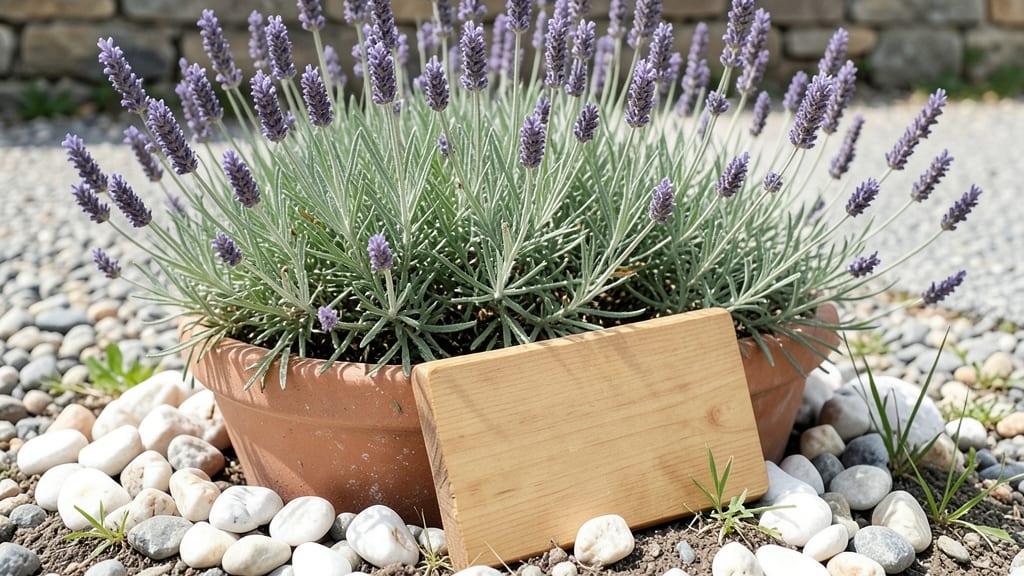
A cremation garden design blends quiet beauty with meaningful permanence. ✨ I’ve helped families create spaces where nature honors their loved ones—places that feel peaceful, not sterile, with plants that thrive year-round and materials that age gracefully.
The key is balancing symbolism with practicality: drought-resistant shrubs for low maintenance, winding paths for reflection, and soft lighting that glows at dusk.
Start with a focal point—whether it’s a natural stone bench, a small urn vault, or a tree planted in memory. Surround it with layered plants: fragrant lavender for scent, evergreen boxwood for structure, and seasonal blooms like peonies or camellias for color.
Eco-friendly hardscaping—like permeable pavers or recycled glass borders—keeps the space sustainable while adding texture.
What you’ll end up with is a living tribute that grows more beautiful over time. The scent of jasmine in summer, the rustle of leaves in autumn, and the quiet hum of bees—these become the sounds of remembrance.
Maintenance stays simple with native plants and mulch that suppresses weeds, so the garden remains a place of solace, not chores.
This design works for private backyards, community plots, or even small urban balconies. Whether you’re planning for a family member or designing a public memorial, the principles stay the same: honor with nature, not ornamentation. Let’s bring it to life.
📚 In This Guide
- What you need
- Instructions
- Tips and common mistakes
- Wrapping up and next steps
What you need
- ● Native plants & shrubs: 5–10 mature plants (e.g., boxwood, azalea, or ornamental grasses) for year-round greenery.
- ● Perennials & annuals: 15–20 plants (e.g., lavender, roses, or sunflowers) for seasonal color.
- ● Mulch: 2–3 bags (2–3 cubic feet each) of organic mulch (e.g., cedar or pine) to retain moisture and suppress weeds.
- ● Gravel or decorative stones: 10–15 bags (20–30 lbs each) for pathways or borders.
- ● Memorial markers: Engraved stones, plaques, or benches (1–3, depending on design).
- ● Soil amendments: Compost or peat moss (1–2 bags) to improve drainage and fertility.
- ○ Fencing (optional but recommended): Low wooden or wrought-iron fencing (5–10 ft length) for privacy.
- ● Shovel & spade (for digging and planting).
- ● Garden trowel (for precise planting).
- ● Wheelbarrow (for transporting soil and mulch).
- ● Pruners & shears (for trimming and shaping plants).
- ● Measuring tape & string (for layout planning).
- ● Garden hose with spray nozzle (for watering).
- ● Level & stakes (for ensuring straight pathways).
- ● Site preparation: Clear debris, level ground, and test soil pH (ideal: 6.0–7.0).
- ● Permits (if applicable): Check local regulations for memorial garden installations.
- ● Weather considerations: Plan for seasonal planting (spring/fall for best results).
- ● Water access: Ensure a nearby spigot or irrigation system for maintenance.
Instructions: crafting a thoughtful cremation garden layout
Here's how to design a tranquil memorial space that honors your loved one with beauty and permanence.
🪴 Step 1: Select a Central Memorial Feature
Choose a focal point that reflects the person's personality—perhaps a weather-resistant urn bench or a custom engraved stone. I recommend placing this at the garden's heart, where it becomes the natural gathering spot. For year-round interest, consider a small ornamental tree like a dwarf Japanese maple, which provides seasonal color without overwhelming the space.
Measure the area carefully before purchasing. A 4-6 foot diameter clearing works well for most memorial features, allowing enough room for surrounding plants while keeping the focus clear. If using a bench, position it to face a scenic view or the path visitors will take to enter the garden.
🌿 Step 2: Layer Plants for Seasonal Interest
Create depth with three distinct plant layers: tall perennial shrubs like boxwood or hydrangea as your backdrop, mid-height flowering perennials such as lavender or coneflowers for summer color, and low-growing evergreens like creeping thyme or sedum for winter structure. This ensures the garden remains visually striking year-round.
I always plant in odd-numbered groupings—three or five plants of each type creates a more natural, balanced look. Space them 12-18 inches apart depending on mature size, and use mulch to suppress weeds while retaining moisture. The mulch layer should be 2-3 inches thick—enough to protect roots but not so deep it smothers smaller plants.
☀️ Step 3: Incorporate Natural Pathways and Seating
Design winding paths using stepping stones or crushed gravel to invite gentle exploration. I like to create a loop that naturally leads visitors past the memorial feature before returning to the entrance. For seating, add a small stone bench or two, positioned where visitors can sit quietly while enjoying the garden's tranquility.
Consider adding subtle lighting with solar-powered path lights along the walkway. These provide safe evening access while enhancing the garden's peaceful ambiance. Place lights every 3-4 feet along the path, angling them slightly upward to illuminate the plants without creating harsh glare.
✂️ Step 4: Add Personal Touches and Maintenance Plan
Incorporate meaningful elements like a small plaque with an engraved quote or the person's favorite flowers. I've seen beautiful results using native wildflower seeds scattered lightly around the memorial area—they'll self-seed over time, creating a natural, evolving tribute. For a more structured look, plant a single specimen rose bush in a prominent location.
Create a simple maintenance schedule to keep the garden thriving with minimal effort. Prune perennials in early spring and again after flowering, and remove spent blooms regularly to encourage continuous blooms. Water deeply once weekly during dry spells, focusing on the root zones of established plants rather than surface watering.
💧 Step 5: Final Touches for Year-Round Appeal
Add seasonal interest with ornamental grasses like fountain grass or little bluestem, which provide movement and texture. For winter structure, include evergreen shrubs such as juniper or inkberry holly. These plants maintain their color and form even in cold months, ensuring the garden remains a comforting presence throughout the year.
Consider adding a small water feature, like a tabletop fountain or bubbling rock garden, to create soothing sounds. The gentle movement of water adds a calming element that enhances the memorial space's peaceful atmosphere. Position it where visitors can hear it from the seating area but not so close it becomes distracting.
Tips & tricks for perfect cremation garden design
Creating a meaningful memorial garden requires thoughtful planning—here are the key strategies that transform an ordinary space into a serene, everlasting tribute.
Location and Scale: The 4-6 foot diameter clearing recommended in Step 1 is ideal because it creates a balanced focal point without overwhelming the surrounding landscape. I always check sunlight patterns before finalizing placement—most memorial gardens benefit from morning sun and afternoon shade, which preserves the integrity of engraved stones or wooden features over time. Consider the natural flow of visitors too; the memorial should feel like a natural extension of their journey through the space, not an afterthought.
Plant Selection Strategy: When choosing your three plant layers from Step 2, prioritize plants with symbolic meaning. For example, lavender (mid-height) represents calmness, while sedum (low-growing) symbolizes endurance—both perfect for memorial gardens. Pro tip: Purchase plants in 3- or 5-gallon containers rather than smaller sizes; they establish faster and require less watering during the critical first year. The 2-3 inch mulch layer isn't just for aesthetics—it regulates soil temperature, which is especially important in climates with extreme seasonal variations.
Pathway Psychology: The winding path design in Step 3 serves a dual purpose: it guides visitors naturally while creating a sense of discovery. I recommend using stepping stones rather than gravel for memorial paths because they're easier to clean and maintain over time, which is important for a space meant to endure. For the 3-4 foot spacing between solar-powered path lights, I suggest testing the placement at dusk first—you want just enough illumination to see the path without creating harsh contrasts that might feel unsettling in the evening.
Year-Round Maintenance Secret: The once-weekly watering guideline in Step 4 works beautifully in most climates, but I've found that watering at sunrise minimizes evaporation and reduces fungal risks. For the ornamental grasses mentioned in Step 5, I recommend cutting them back in early spring by one-third—this encourages bushier growth and prevents them from becoming too top-heavy in winter storms. Consider adding a small flagstone marker at the garden's entrance to indicate the memorial area to visitors, especially if the space blends seamlessly with surrounding landscaping.
Pro Tips for Cremation Garden Design
- Creating a meaningful memorial garden requires thoughtful planning—here are the key strategies that transform an ordinary space into a serene, everlasting tribute.
- Location and Scale: The 4-6 foot diameter clearing recommended in Step 1 is ideal because it creates a balanced focal point without overwhelming the surrounding landscape.
- Plant Selection Strategy: When choosing your three plant layers from Step 2, prioritize plants with symbolic meaning.
Frequently asked questions
Got questions about cremation garden design?
Here are some of the most common concerns—and their answers—to help you plan a meaningful, evergreen memorial space.
What’s the best time of year to plant a cremation garden?
The ideal time depends on your climate, but spring or early fall are usually best. These seasons offer mild temperatures and ample rainfall, giving plants a strong start. In colder regions, avoid winter planting unless using hardy perennials. If planting in summer, prioritize shade-loving plants and water deeply to reduce stress.
How much does a cremation garden design cost?
Costs vary widely based on size, materials, and whether you DIY or hire a pro. A small urn garden with basic plants and mulch may cost $100–$300, while a larger, landscaped memorial with benches, pathways, and native plants can range from $1,000–$5,000+. Prioritize durable, low-maintenance plants to save long-term.
Can I use potted plants instead of planting directly in the ground?
Potted plants are a great low-commitment option, especially for renters or those with limited space. Choose containers with drainage holes and use lightweight, well-draining soil. Group urns and plants together for a cohesive look, and opt for slow-growing perennials to minimize repotting. Just ensure pots are secure to prevent tipping in wind or weather.
What if my garden doesn’t thrive? How do I troubleshoot?
Even well-planned gardens face challenges. Start by checking soil drainage—waterlogged roots can kill plants. If leaves yellow, adjust watering (most plants prefer deep but infrequent watering). Pests? Use neem oil or companion planting (like marigolds) to deter bugs naturally. For poor growth, amend soil with compost or mulch to retain moisture and nutrients.
How can I personalize the garden beyond flowers?
Incorporate meaningful touches like engraved stones, a custom bench with a plaque, or a small fountain for soothing sounds. Add seasonal elements (e.g., winter berries, spring bulbs) or include their favorite colors in plant choices. Solar-powered lights, a bird feeder, or a handwritten note hidden among the plants can also add heartfelt details.
Wrapping up and next steps
Designing a cremation garden is a meaningful way to honor loved ones while embracing nature’s beauty. Whether you opt for a year-round evergreen layout, a seasonal blooming sanctuary, or a minimalist memorial space, the key is creating a serene retreat that feels personal and peaceful.
Let this garden be a place of reflection, growth, and enduring love—where every plant, path, and detail tells a story.
Ready to bring your vision to life? Start by sketching a rough layout, gathering local plants, and reaching out to landscapers or memorial garden specialists for expert guidance. Your loved one’s legacy deserves a space as unique as their memory. 🌿✨