
Tools
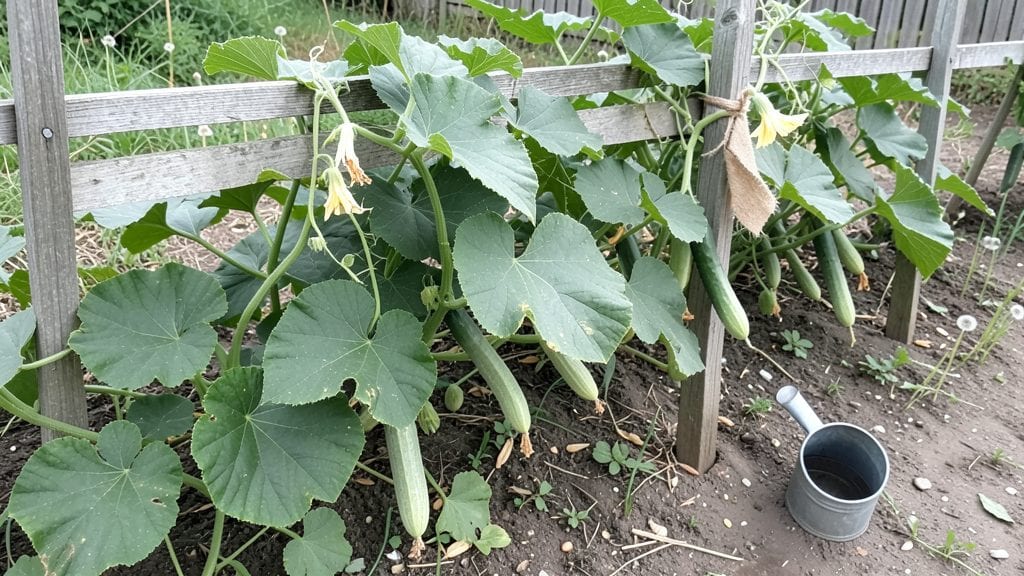
My cucumber garden tips start with the one rule that doubles your harvest: train vines vertically, not sprawling. 🌱 Last summer, I turned a 3-foot square into a 6-foot tower of cucumbers—no extra space, just smarter growth.
The secret isn’t fancy trellises; it’s choosing the right varieties and guiding them upward from day one.
You’ll need disease-resistant seeds (like ‘Straight Eight’ or ‘Marketmore’), a sturdy 6-foot trellis, and a sunny spot with at least 6 hours of direct light daily. Prune suckers—the little shoots between the main stem and branches—every 2 weeks to keep energy focused on fruit production.
Water deeply at the base (not overhead) to prevent mildew, and mulch with straw to retain moisture.
By midseason, you’ll be harvesting crisp, 6-inch cucumbers every 3–4 days instead of waiting for overgrown monsters. The plants stay compact, diseases have fewer hiding spots, and you avoid the heartbreak of rotting fruit on the ground. This method works in containers too—just scale the trellis down to 4 feet.
Fair warning: cucumbers are heavy. Install your trellis with strong stakes or a freestanding frame, or you’ll be repairing collapsed towers by August. Trust me, the first time I watched my trellis topple under a 10-pound cucumber harvest, I swore off flimsy setups forever.
📚 In This Guide
- What you need
- Instructions
- Tips and common mistakes
- Wrapping up and next steps
What you need
- ● Cucumber Seeds or Seedlings: 10–20 seeds (if starting from scratch) or 5–10 seedlings (for faster growth).
- ● Pro tip: Choose bush varieties (like ‘Bush Champion’ or ‘Spacemaster’) for compact growth in small spaces!
- ● Containers or Garden Bed: Containers: 5-gallon pots or larger (minimum 12" deep) for each plant. Use fabric grow bags or self-watering pots for better drainage.
- ● Garden Bed: At least 3’ x 3’ per plant (or 18" apart in rows for vining varieties).
- ● Growing Medium: High-quality potting mix (sterile and well-draining) or compost-rich garden soil (amend with perlite or vermiculite for aeration).
- ○ Optional: Coco coir or peat moss for moisture retention in containers.
- ● Fertilizer: Balanced all-purpose fertilizer (10-10-10) or compost (mix 2–3 cups per plant at planting).
- ○ Optional: Slow-release organic fertilizer (like worm castings or fish emulsion) for nutrient boosts.
- ● Trellis or Cage: 4–6’ tall metal or bamboo trellis (for vining varieties) to save space and improve airflow.
- ● Mulch: Straw or shredded leaves to retain moisture and suppress weeds.
- ● Drip Irrigation or Watering Can: 1–2 gallons per plant, 2x weekly (or use a self-watering system for convenience).
- ● Pruning Shears: Small, sharp pair for trimming excess vines or yellow leaves.
- ● Row Covers or Shade Cloth: Lightweight fabric to protect seedlings from pests or harsh sun.
- ● Sunlight: 6–8 hours of direct sun daily (partial shade in hot climates).
- ● Temperature: Ideal range: 65–75°F (avoid planting until soil is at least 60°F).
- ● Drainage: Ensure containers or beds have holes for excess water (cucumbers hate soggy roots!).
- ● Time: 1–2 hours weekly for planting, watering, and maintenance.
How to grow cucumbers in small spaces for big harvests
Here's how to turn limited garden space into a high-yielding cucumber patch using proven tricks.
🌱 Step 1: Choose the Right Varieties for Compact Growth
Start with bush-type or space-saving varieties like 'Bush Champion' or 'Spacemaster'—these stay compact without vines sprawling everywhere. I always check seed packets for "bush" or "compact" labels, as these can produce just as much as traditional varieties but in half the space. These types grow 3-4 feet tall and wide, perfect for containers or small garden beds.
If you love slicing cucumbers, focus on parthenocarpic varieties like 'Sweet Success'—they set fruit without pollination, meaning no bees needed and consistent yields even in containers. For pickling, 'Boston Pickling' stays small but produces prolifically. Avoid long-vined types like 'Straight Eight' unless you have trellis space to spare.
☀️ Step 2: Optimize Sun and Heat for Faster Growth
Cucumbers thrive in full sun (6+ hours daily) and warm soil (70°F+). I plant mine in black plastic mulch (from the supplies list) to absorb heat and speed up germination—soil under it warms up 10°F faster than bare ground. The mulch also suppresses weeds and keeps fruit clean.
If your climate has cool springs, use row covers (lightweight fabric) to trap heat until soil reaches 65°F. Watch for yellowing leaves—this signals either too much shade or soil too cold. Once true leaves appear, remove covers to prevent overheating. I always plant cucumbers after the last frost, but if you're in a short season, opt for fast-maturing varieties (55 days or less).
🪴 Step 3: Use Containers or Vertical Trellises
For 4 plants, use 5-gallon containers (one plant per pot) filled with well-draining potting mix. I add a slow-release fertilizer at planting to feed roots all season—cucumbers are heavy feeders and need consistent nutrients. Place containers where they get morning sun and afternoon shade in hot climates to prevent fruit from sizing up too fast (which makes them bitter).
If growing in-ground, install 3-foot tall trellises (like the bamboo or metal cages in the supplies) at planting time. Train vines upward with soft twine—never pull or force branches, just guide them gently. This saves space and improves air circulation, reducing disease risk. Harvesting becomes easier too—no more bending over to pick fruit from the ground.
💧 Step 4: Water Deeply and Mulch to Retain Moisture
Cucumbers need 1-2 inches of water weekly, but I water deeply 2-3 times per week instead of daily shallow watering. This encourages roots to grow deeper, making plants more drought-resistant. Water at the base only—wetting leaves spreads fungal diseases like powdery mildew. I always water in the early morning so foliage dries quickly.
Spread 2-3 inches of straw mulch around plants (but not touching stems) to lock in moisture and keep soil cool. The mulch also blocks weeds, which compete for nutrients. You'll notice faster growth and larger fruit when soil stays evenly moist. If leaves start curling upward or wilting slightly in the afternoon, it’s a sign the roots need more water—add another deep watering immediately.
✂️ Step 5: Prune and Harvest for Continuous Production
Pinch off the first few flowers that appear—this redirects energy to root and vine growth, leading to bigger yields later. Once plants are established (after 4-6 weeks), let them flower and fruit. Prune any yellow or diseased leaves immediately with clean shears to prevent spread. I also trim side shoots that grow below the first leaf cluster—they drain energy without producing much fruit.
Harvest cucumbers every 2-3 days when they’re 6-8 inches long for slicing types or 2-3 inches for pickling. Overripe fruit saps energy from the plant and reduces future yields. Use a sharp knife or pruners to cut stems cleanly—never twist, or you’ll damage the vine. Regular harvesting encourages more flowers and fruit to develop. Store picked cucumbers in the fridge to keep them crisp for up to a week.
Tips & tricks for perfect small-space cucumber gardens
Small gardens can still produce a bumper crop of cucumbers—you just need to work with their natural tendencies. Here's what I've learned from years of maximizing space without sacrificing yield.
Variety Selection Secret: Don't just pick any "compact" variety—look for parthenocarpic types like 'Sweet Success' if you're growing in containers. These set fruit without pollination, meaning you'll get consistent production even without bees buzzing around. For in-ground planting, 'Boston Pickling' is my go-to for small spaces because it stays under 3 feet tall while still delivering a steady harvest. I've seen some gardeners try to force long-vined varieties into small spaces, and it always ends in disappointment—stick to the proven compact types.
Soil Temperature Matters: That 70°F soil temperature isn't just a recommendation—it's crucial for germination. I've planted seeds in cooler soil before and watched them sit there for days waiting to sprout. Use that black plastic mulch to raise soil temperature by 10°F faster than bare ground. Pro tip: If your spring is particularly cool, lay down the mulch a week before planting to give the soil a head start. The mulch also keeps soil consistently warm, which means faster growth from day one.
Container Hack: When growing in 5-gallon containers, I always add a handful of well-draining potting mix mixed with compost to the bottom before planting. This creates a nutrient-rich zone right where the roots will establish first. For containers, I also recommend using self-watering pots if possible—they help maintain that critical moisture level without risking overwatering. And remember, one plant per container is key—crowding leads to competition and smaller yields.
Harvest Timing: Those 2-3 day harvest intervals might seem frequent, but they're what keeps your plants producing. I've seen cucumbers go from tiny flowers to overripe fruit in just 48 hours, and that's when they start draining energy from the plant. Harvest in the morning when cucumbers are at their crispest, and always use clean pruners or a sharp knife—never pull or twist, which can damage the vine. The more consistently you harvest, the more your plant will reward you with new flowers and fruit.
Pro Tips for Cucumber Garden Tips
- Small gardens can still produce a bumper crop of cucumbers—you just need to work with their natural tendencies.
- Variety Selection Secret: Don't just pick any "compact" variety—look for parthenocarpic types like 'Sweet Success' if you're growing in containers.
- Soil Temperature Matters: That 70°F soil temperature isn't just a recommendation—it's crucial for germination.
Frequently asked questions
Got questions about growing cucumbers in small spaces? You’re not alone! Here are answers to the most common cucumber garden dilemmas to help you grow like a pro.
How soon can I harvest cucumbers after planting?
Most cucumber varieties are ready for harvest 50–70 days after planting, depending on the type. Check the seed packet for specifics—bush varieties mature faster than vining types. Harvest when cucumbers are firm, bright green, and 6–8 inches long (or smaller for "baby" cucumbers). Pro tip: Pick consistently to encourage more production!
Why aren’t my cucumber plants producing flowers or fruit?
Lack of flowers or fruit often stems from stress—common causes include:
- Insufficient sunlight: Cucumbers need 6–8 hours of direct sun daily.
- Poor pollination: Hand-pollinate by gently shaking plants or using a small brush to transfer pollen.
- Nutrient deficiency: Fertilize with a balanced, low-nitrogen mix (too much nitrogen = leafy growth, no fruit!).
- Temperature extremes: Ideal temps are 70–90°F; below 55°F or above 95°F can stunt flowering.
Can I grow cucumbers in containers? What’s the best setup?
Use containers at least 12–18 inches deep with drainage holes. Opt for bush varieties (like ‘Bush Champion’) or dwarf vining types (e.g., ‘Spacemaster’) to save space. Fill with well-draining potting mix and a 5-gallon container per plant. For vertical growth, add a trellis or cage—this saves space and improves air circulation to prevent disease. Pro tip: Rotate containers weekly for even sun exposure!
What are the most common cucumber pests, and how do I prevent them?
Watch for these troublemakers:
- Cucumber beetles: Strip yellow and black beetles by hand or use row covers early in the season.
- Squash bugs: Crush eggs (tiny white ovals) on leaves or use neem oil as a spray.
- Aphids: Blast off with water or introduce ladybugs for natural control.
- Powdery mildew: Space plants for airflow and spray with baking soda mix (1 tsp baking soda + 1 quart water + a drop of soap).
Do cucumbers need a lot of water? How often should I water them?
Cucumbers are thirsty plants—aim for 1–2 inches of water per week, especially during flowering and fruiting. Water deeply at the base (avoid wetting leaves to prevent disease) and mulch to retain moisture. In hot climates, water daily in the morning to reduce stress. Signs of over/under-watering:
Consistency is key—let the top inch of soil dry out between waterings.
Wrapping up and next steps
Growing cucumbers in small spaces is totally doable—you just need the right tricks! 🌱 From vertical trellises to companion planting, these space-saving hacks help you maximize yield without sacrificing garden real estate.
Whether you’re a backyard gardener or balancing plants on a balcony, a little creativity goes a long way.
Now that you’re armed with five proven strategies, it’s time to roll up your sleeves! Start with the method that fits your space best, gather your supplies, and watch your cucumber garden thrive. Happy planting—your future crisp, homegrown cucumbers are waiting! 🥒✨