
Planting
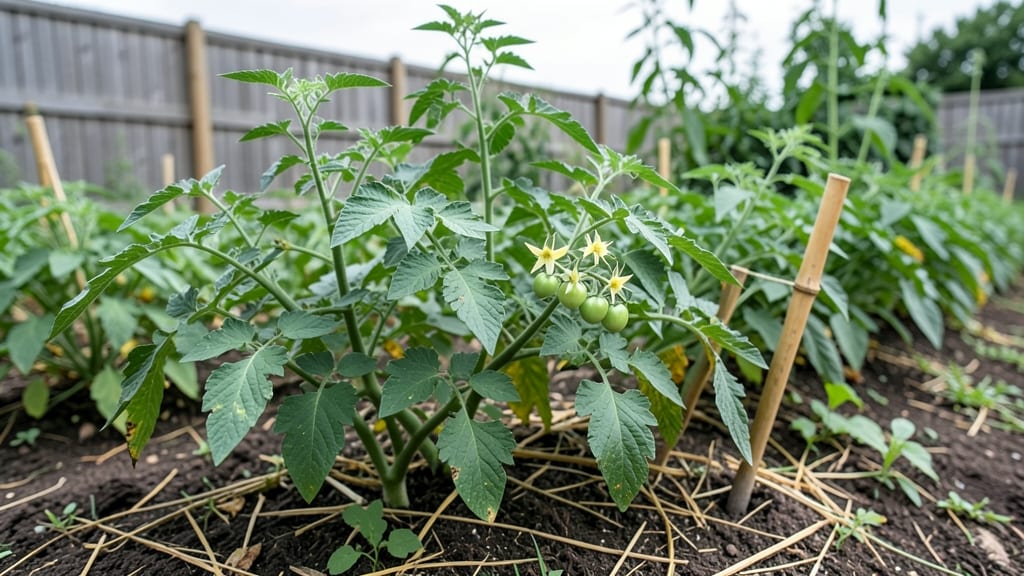
To determine how far apart garden rows should be, aim for 18 to 36 inches between them to optimize sunlight, airflow, and maintenance, adjusting for plant size—wider spacing for tall crops like tomatoes or corn, and tighter for leafy greens or herbs.
Proper row spacing isn't just about fitting more plants—it's about creating an ecosystem where each plant thrives. 🌱 Larger crops like corn or squash need that extra room to spread their roots and foliage without competing for nutrients, while herbs and greens can handle closer quarters since they're smaller.
I've found that 24 inches is my go-to for most vegetables, but always check seed packets for specific recommendations. The right spacing also reduces moisture retention between rows, cutting down on fungal diseases and making weeds easier to pull.
Another key factor is your gardening style: raised beds often allow for tighter spacing since soil drains better, while in-ground gardens may need extra room for tools to maneuver.
If you're growing vining plants like cucumbers or beans, consider trellising—they'll appreciate the vertical space even if rows stay closer together horizontally. The goal is to mimic nature's balance, where plants have just enough room to grow without overcrowding.
💡 In This Article
- Factors Influencing Optimal Garden Row Spacing
- Row Spacing Guidelines by Plant Type
Factors influencing optimal garden row spacing
Plant size is the first factor that dictates row spacing. Large plants like tomatoes or corn need 30-36 inches between rows to accommodate their sprawling roots and towering stalks.
These crops develop deep root systems that can compete aggressively for water and nutrients—crowding them forces them to divert energy toward survival rather than fruit production. Meanwhile, leafy greens like spinach or lettuce thrive in 12-18 inches because their shallow roots and compact growth don't require as much horizontal space.
The key here is root zone expansion: wider spacing prevents root systems from intertwining, which can lead to stunted growth or disease.
Sunlight exposure creates a domino effect on spacing needs. Tall plants like sunflowers or pole beans cast significant shade, which is why they often require 24-36 inches between rows.
This spacing ensures lower-growing plants—such as basil or radishes—receive at least 6-8 hours of direct sunlight daily, the minimum most vegetables need to thrive.
In my own garden, I’ve noticed that rows spaced too closely can turn the center into a "shade trap," where moisture lingers and fungal spores like powdery mildew flourish. Proper spacing also improves air circulation, reducing humidity levels that promote rot and bacterial infections in leaves. 🌞
Soil type plays a surprising role in determining row spacing. Sandy soils drain quickly but lack moisture retention, so plants often need slightly wider rows (30-36 inches) to access deeper water reserves.
Conversely, clay-heavy soils hold moisture but can suffocate roots if overcrowded, making 18-24 inches ideal for most crops.
Raised beds offer a unique advantage here—their controlled soil composition (often a mix of compost, peat, and perlite) allows for tighter spacing (12-18 inches) because nutrients and water distribute more evenly.
In-ground gardens, however, may require extra room to accommodate tools like hoes or trowels without compacting the soil.
Pest control and weed suppression are often overlooked but critical reasons for proper spacing. Wider rows (30+ inches) make it easier to spot and remove weeds before they compete with crops for nutrients.
I’ve found that a 24-inch spacing between rows of carrots or beets creates natural pathways where you can walk without trampling plants, reducing soil compaction and allowing for better weed visibility. Additionally, spacing affects pest behavior: crowded plants attract more aphids and whiteflies because the dense foliage provides shelter.
Proper airflow from wider rows deters these pests by making the environment less hospitable. 🌿
Cultivation methods further refine spacing requirements. Square-foot gardening, for example, uses a 12-inch grid for all plants, but this works because it’s a high-density system where plants are interplanted rather than grown in rows.
In contrast, traditional row gardening often uses 18-36 inches to allow for mechanical cultivation (like tilling) between rows. If you’re using trellises for vining plants like cucumbers or peas, horizontal row spacing can be tighter (12-18 inches) because the vertical growth frees up ground space.
The method you choose should align with your goals: high yield (square-foot) vs. low-maintenance (wide rows).
One nuance worth noting is the "interplanting" technique, where fast-growing crops (like radishes) are planted between slower ones (like broccoli). This maximizes space but requires careful timing—radishes should be harvested before the broccoli needs full sunlight.
Another consideration is the plant’s mature height: a 6-foot tomato plant in a 12-inch row will shade everything around it, while the same plant in a 36-inch row allows sunlight to reach neighboring crops. Always check seed packets for mature plant dimensions to avoid costly mistakes. 🌱