
Size
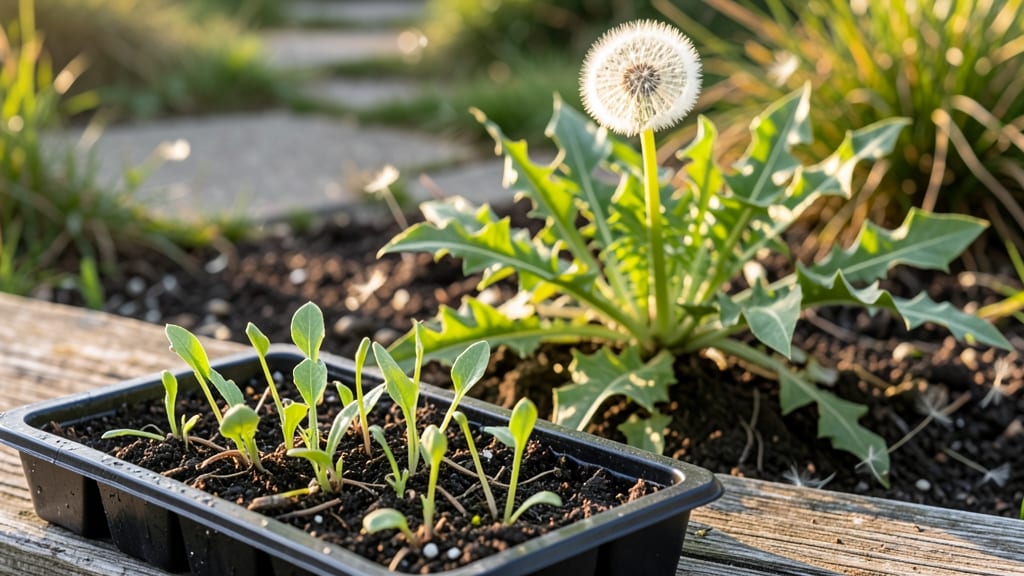
Growing dandelions from seed turns bare spots into cheerful yellow blooms in just three weeks—no digging required. 🌱 I’ve watched these tough, fast-growing plants pop up through cracked concrete and compacted soil, proving they’re the ultimate low-maintenance garden addition.
Their bright flowers feed bees early in the season, and the leaves are edible too.
The secret to success is simple: scatter seeds in early spring after the last frost, press them lightly into the soil, and water gently. They thrive in full sun to partial shade and don’t need rich soil—just a spot where weeds already struggle.
Spacing them 6-12 inches apart keeps them from spreading too aggressively while still letting them shine.
By mid-spring, you’ll have a carpet of golden blooms that last until summer, attracting pollinators before other flowers even think about waking up. The leaves stay tender enough to eat in salads until the flowers appear, making them a dual-purpose plant that’s hard to beat.
Perfect for filling gaps between slower perennial plants or brightening up shady corners where nothing else grows. Once established, they barely need watering—just pull a few before they go to seed if you want to control their spread.
📚 In This Guide
- What you need
- Instructions
- Tips and common mistakes
- Wrapping up and next steps
What you need
- ● Dandelion seeds: 1 packet (about 1,000–5,000 seeds, depending on variety). Look for Taraxacum officinale or heirloom varieties for best results.
- ● Growing space: Full sun (6+ hours of direct sunlight daily) or partial shade (for cooler climates).
- ● Well-draining soil (sandy loam or clay with organic matter works best).
- ● Watering can or hose: With a gentle spray nozzle for even moisture.
- ○ Compost or organic fertilizer (optional): 1–2 cups of balanced 10-10-10 or compost tea to boost growth.
- ○ Gloves (optional): To protect hands from prickly seed heads or soil.
- ● Hand trowel or small rake: For loosening soil (if not using no-dig method).
- ○ Mulch (optional): Straw or shredded leaves (1–2 inches) to retain moisture.
- ● Row markers or sticks: For marking seed rows (helpful for larger gardens).
- ○ Seedling trays (optional): For starting seeds indoors 4–6 weeks before last frost (if desired).
- ● Check your USDA Hardiness Zone (dandelions thrive in Zones 3–10).
- ● Plant in spring or early fall for optimal germination (avoid summer heat).
- ● Test soil pH (ideal range: 6.0–7.5; adjust with lime or sulfur if needed).
Step-by-step instructions for growing dandelions from seed
Here's how to turn those common "weeds" into a vibrant, fast-blooming garden in just a few weeks.
🌱 Step 1: Collect and Prepare Dandelion Seeds
Gather seeds from fully mature dandelion heads—wait until the puffballs turn white and fluffy. On a dry day, hold a paper bag under the flower and gently shake to collect seeds. You'll need about 1 teaspoon of seeds per 10-square-foot area for a lush display. Store seeds in a dry paper envelope until planting.
Dandelion seeds germinate best when fresh, so plant them within a week of collection. If you can't plant immediately, keep them in a cool, dark place. The seeds are incredibly lightweight, so handle them carefully—just a pinch is enough for a generous scattering.
🪴 Step 2: Choose and Prepare Your Planting Site
Dandelions thrive in almost any soil but prefer areas with full sun to partial shade. Choose a spot where you want cheerful blooms to spread naturally—lawn edges, meadows, or even between stepping stones work beautifully. Since dandelions are no-dig plants, simply rake the area to break up any compacted soil or debris.
Loosen the top 1-2 inches of soil with a rake or your hands to create a rough, textured surface. This helps seeds make contact with the earth and encourages quick germination. Avoid fertilizing—dandelions grow best in lean, natural soil without added nutrients.
💧 Step 3: Scatter Seeds and Lightly Cover
Scatter the seeds evenly over the prepared area, aiming for a light, even layer—about 10 seeds per square foot. Don't worry about spacing too precisely; dandelions self-sow and fill in gaps naturally. After scattering, gently press the seeds into the soil with your hand or a lightweight rake.
Cover the seeds with a thin layer of soil (no more than ¼ inch deep). A light dusting is all they need—dandelion seeds don't require deep planting. Water the area lightly with a spray bottle or fine mist to settle the soil and moisten the seeds without disturbing them.
☀️ Step 4: Water and Wait for Fast Germination
Keep the soil consistently moist but not soggy for the first 7-10 days. Water gently in the morning so the soil has time to dry slightly before nightfall. You'll see tiny sprouts emerge quickly—often within 3-5 days if conditions are ideal. Dandelions are one of the fastest germinating plants, so patience is minimal.
Once seedlings appear, reduce watering to once every 2-3 days, allowing the top inch of soil to dry between waterings. Thin seedlings to 6 inches apart if you want larger blooms, or leave them closer for a wildflower meadow effect. Watch for bright green rosettes forming close to the ground—that's your signal they're thriving.
✂️ Step 5: Enjoy and Maintain Your Blooming Garden
Dandelions require almost no maintenance. Let them grow undisturbed, and you'll see cheerful yellow blooms in just 4-6 weeks. Deadhead spent flowers by snipping the stems at the base to encourage more blooms and prevent unwanted self-seeding in less desirable areas.
If you want to control where dandelions spread, collect seeds from mature plants before they release into the wind. Otherwise, embrace their natural tendency to fill empty spaces with color. Mulch around the base with straw or leaves in winter to protect roots from harsh conditions.
Tips & tricks for fast-germinating dandelion gardens
Here's what I learned after growing dandelions from seed for years—these tricks will help you skip the common pitfalls and get those cheerful blooms in record time.
Timing Secret: Those first 7-10 days of consistent moisture are everything. I use a simple spray bottle instead of a hose to avoid disturbing the delicate seeds. Water in the morning so the soil has time to dry slightly before nightfall—this prevents fungal issues while keeping seeds hydrated. For even faster results, consider using a clear plastic dome or cloche to create a mini greenhouse effect during germination.
Seed Handling Tip: Dandelion seeds are lighter than dust, so don't be surprised if a gentle breeze carries them away! I plant on calm days and use a small piece of cardboard to weigh down the seeds while I press them into the soil. For large areas, mix seeds with a little sand first to help distribute them evenly. Remember, just a pinch of seeds covers a lot of ground—1 teaspoon goes a long way!
Soil Preparation Strategy: The no-dig approach is perfect for dandelions, but if you have particularly compacted soil, I recommend adding a thin layer of compost or well-rotted manure (about ½ inch deep) before scattering seeds. This gives your dandelions a tiny nutrient boost without overdoing it. Avoid working the soil deeply—dandelions have shallow roots and don't need much disturbance.
Germination Watch: You'll know you're on track when you see those bright green rosettes appear within 3-5 days. If germination is slow, check your moisture levels—the seeds need to stay consistently damp but not waterlogged. I keep a close eye on my garden during this critical window, watering lightly whenever the top inch of soil feels dry to the touch.
Pro Tips for Dandelion Seed Grow A Garden
- Here's what I learned after growing dandelions from seed for years—these tricks will help you skip the common pitfalls and get those cheerful blooms in record time.
- Timing Secret: Those first 7-10 days of consistent moisture are everything.
- Seed Handling Tip: Dandelion seeds are lighter than dust, so don't be surprised if a gentle breeze carries them away!
Frequently asked questions
Got questions about growing a dandelion garden from seed? You’re not alone! Here are answers to the most common queries to help you get started with confidence.
How long does it take for dandelion seeds to sprout?
Dandelion seeds are fast germinators—typically sprouting in 3 to 10 days after planting, especially in warm, moist soil. If your seeds take longer, check moisture levels (keep soil damp but not soggy) and ensure they’re in full sun. Patience pays off, but don’t worry if you see tiny shoots in less than a week!
Can I plant dandelion seeds year-round, or is there a best time?
Dandelions thrive in cool to mild temperatures, so the best times to plant are early spring (as soon as soil is workable) or late summer/fall (6–8 weeks before your first frost). Avoid planting in extreme heat or freezing conditions—they’ll struggle to establish. For faster blooms, aim for spring planting!
Do dandelions spread too much? How do I control their growth?
Yes, dandelions are aggressive spreaders, but that’s part of their charm! To keep them contained, plant them in raised beds or containers with deep sides. For ground planting, hand-pull young seedlings before they flower, or use a mulch barrier (like cardboard) to limit root spread. Embrace them as a low-maintenance garden focal point!
What if my dandelion seeds don’t sprout? Troubleshooting tips?
No sprouts? Try these fixes:
- Check depth: Seeds need only ¼-inch coverage—plant too deep, and they won’t break through.
- Test soil moisture: Dandelions need consistent dampness but hate waterlogged soil.
- Verify sunlight: They crave 6+ hours of full sun daily—shady spots slow growth.
- Try fresh seeds: Old seeds (over 1 year) may have low viability.
Are there alternatives to traditional dandelion seeds for a similar look?
If you love dandelion’s whimsical, fast-growing vibe but want variety, try these:
- Mexican Sunflower (Tithonia rotundifolia)
- Cosmos (Cosmos bipinnatus)
- Nasturtium (Tropaeolum)
- Calendula (Calendula officinalis)
Wrapping up and next steps
Growing a vibrant garden from dandelion seeds is easier—and faster—than you think! 🌱 With just a few simple steps, you’ll enjoy bursts of cheerful blooms in weeks, all while embracing nature’s resilience. Whether you’re a novice gardener or a seasoned green thumb, this no-dig method proves that beauty grows effortlessly.
Ready to turn your space into a dandelion paradise? Start small—plant a patch, observe the magic unfold, and soon, you’ll be inspired to expand your garden. Your next step: Grab those seeds and let the adventure begin!