
Pests and Diseases
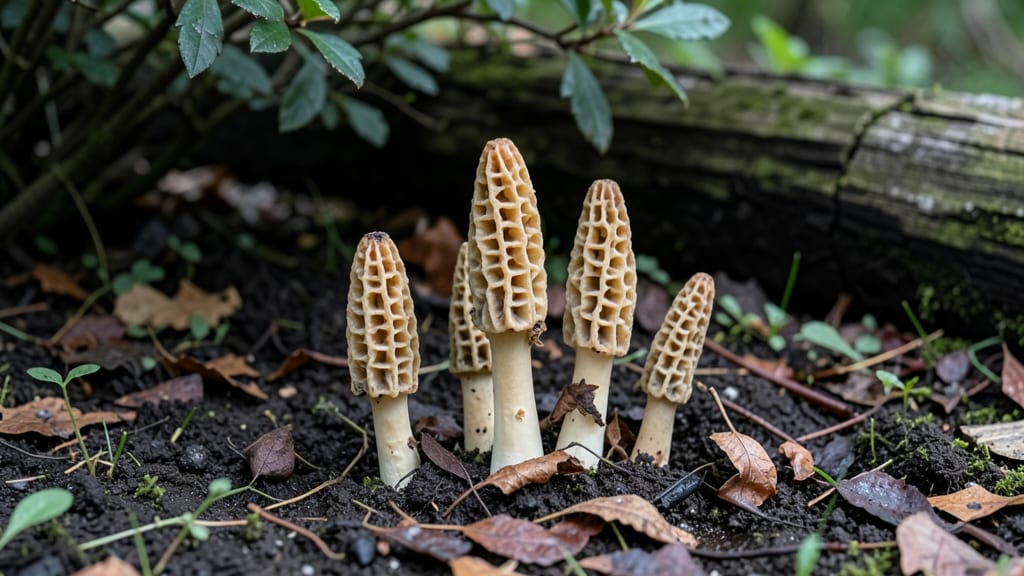
Those weird mushrooms growing in my garden aren’t just creepy—they’re a sign your soil is telling a story. 🌿 I’ve seen everything from tiny white puffballs to thick, leathery clusters, and most aren’t harmful, but knowing the difference keeps your garden healthy (and your family safe).
The key is understanding what they mean: too much moisture, decaying wood, or even beneficial fungi breaking down old roots.
Most garden mushrooms are harmless decomposers, but a few—like the deadly Amanita species—demand immediate action. Start by snapping clear photos (front and back) and checking local fungal databases or mycology groups for ID help. If you’re unsure, avoid touching them; some release spores that can trigger allergies or worse.
For the safe ones, removal is simple: dig out the base or cover them with mulch to starve them out.
Prevention starts with better soil health: improve drainage, remove decaying plant matter, and avoid overwatering. A well-aerated garden leaves less room for mushrooms to thrive. Even better, add compost to outcompete fungal growth naturally.
The goal isn’t to eliminate all fungi—some are garden helpers—but to keep the balance in your favor.
When in doubt, call a local mycologist or extension office. They’ve seen it all and can confirm whether your mushrooms are a nuisance or nature’s cleanup crew. Most of the time, it’s just your soil doing its job—just maybe a little too visibly.
The Hidden Triggers Behind Fungal Growth
Discovering strange mushrooms sprouting in your garden can feel like a surprise party—uninvited and slightly unsettling. 🌱🍄 But before you panic, it’s helpful to understand what’s really going on beneath the soil.
Fungal growth isn’t just random; it’s often a response to specific conditions in your garden ecosystem. Let’s break down the most common reasons your garden might be hosting an unexpected fungal buffet.
Mushrooms thrive in damp, humid environments—think of them as nature’s sponges for excess water. If your garden retains moisture for too long (whether from overwatering, heavy rainfall, or compacted, clay-heavy soil), you’re creating the perfect incubator for fungal spores.
Why it happens: Mushroom spores are everywhere, but they only germinate when conditions are ideal. Excess moisture softens the soil, making it easier for fungal mycelium (the root-like network of mushrooms) to spread. Poor drainage also means organic matter—like decaying leaves or wood—stays soggy, feeding fungal growth instead of breaking down naturally.
Actionable fix:
- Test your soil’s drainage by digging a hole, filling it with water, and timing how long it takes to drain. If it’s slower than 4 hours, amend with compost or sand.
- Avoid watering at night or in large quantities; opt for deep, infrequent watering to encourage roots to seek moisture deeper in the soil.
- Mulch with coarse materials (like pine straw or wood chips) to improve airflow and reduce surface moisture.
Mushrooms are essentially the cleanup crew of the fungal world—they decompose dead plants, wood, and other organic debris. If you’ve got piles of leaves, old logs, or unearthed roots sitting around, you’re basically leaving out an all-you-can-eat buffet for fungi.
Why it happens: Fungal spores latch onto organic matter and start breaking it down as a food source. If the debris isn’t disturbed or removed, the mycelium can spread underground, eventually producing mushrooms above the soil line. Even "natural" compost piles can become fungal hotspots if they’re too compacted or wet.
Actionable fix:
- Remove and compost (or dispose of) large piles of leaves, wood chips, or plant debris. Spread smaller amounts thinly to allow airflow.
- Turn your compost pile regularly to speed up decomposition and reduce fungal dominance.
- If you have old tree stumps or roots, consider removing them—they’re a prime fungal magnet.
Fungi are opportunistic, and they love moderate temperatures (50–85°F) with high humidity. If your garden swings between warm, damp days and cooler nights, you’re giving mushrooms a Goldilocks-zone environment.
Why it happens: Many mushroom species (like Psathyrella or Coprinus) thrive in these conditions because they can quickly colonize organic material before it dries out. Greenhouses, shaded areas, or gardens near water sources (like ponds or sprinklers) are especially vulnerable.
Actionable fix:
- Improve airflow around plants by pruning dense foliage or spacing them further apart.
- Use a soil thermometer to monitor conditions; aim for daytime temps above 70°F to discourage fungal activity.
- If humidity is consistently high, consider a dehumidifier or shade cloth for particularly prone areas.
Ever noticed mushrooms popping up after you’ve tilled or planted? That’s no coincidence—disturbing the soil aerates it, giving fungal spores the perfect chance to germinate and spread.
Why it happens: Undisturbed soil has a natural balance of microbes and fungi. But when you dig, aerate, or plant, you disrupt that balance, allowing dormant spores to wake up and colonize fresh nutrients. This is why mushrooms often appear after landscaping or installing new garden beds.
Actionable fix:
- Avoid excessive tilling; instead, use no-dig gardening methods to preserve soil structure.
- If you must dig, do so during dry conditions to minimize moisture retention.
- Consider adding beneficial microbes (like mycorrhizal fungi) to outcompete unwanted species.
Rich, fertile soil isn’t just great for plants—it’s also a feast for fungi. If your garden is packed with nitrogen (from compost, manure, or synthetic fertilizers), mushrooms may see it as an invitation to party.
Why it happens: Fungi need nitrogen and phosphorus to grow, just like plants. Over-fertilizing—especially with high-nitrogen amendments—can tip the balance in favor of fungal growth over plant roots. Some mushrooms, like Agaricus bisporus (the common button mushroom), actively seek out nutrient-rich patches.
Actionable fix:
- Balance your soil’s nutrients with a soil test; aim for a moderate nitrogen level (too much encourages fungi, too little stunts plants).
- Use slow-release fertilizers or organic amendments like bone meal (for phosphorus) instead of quick-acting ones.
- Rotate crops and avoid planting the same high-nitrogen-loving plants (like corn or tomatoes) in the same spot year after year.
Understanding the root cause of your fungal visitors is the first step to reclaiming your garden. Once you’ve pinpointed the trigger, you can take targeted action to create a less hospitable environment—for mushrooms, at least. 🚫🍄
How to Fix Unwanted Garden Fungi
If you’ve spotted bizarre mushrooms sprouting in your garden, don’t panic—there’s a way to tackle them safely and effectively. The solution depends on the cause, whether it’s excess moisture, organic debris, or poor soil drainage.
Below are practical, step-by-step fixes for each scenario, plus prevention tips to keep your garden fungus-free.
Excess water is a fungus’s best friend. If your garden stays soggy, mushrooms will thrive. Here’s how to fix it:
🔥 Step 1: Improve Drainage
- 👨🍳 Dig deeper – Loosen compacted soil with a garden fork to help water drain faster.
- 🥘 Add organic matter – Mix in compost or well-rotted manure to improve soil structure.
- ⏰ Install drainage solutions – For low spots, create a slight slope or add gravel to redirect water.
💡 Pro Tip: Avoid overwatering—stick to deep, infrequent waterings instead of daily light sprinkles.
🌡️ Step 2: Reduce Standing Water
- 🎯 Clear debris – Remove leaves, mulch, or wood chips that trap moisture.
- ✨ Use a rain barrel – If downpours are frequent, divert excess water away from garden beds.
Dead leaves, wood chips, and old mulch create the perfect breeding ground for mushrooms. Here’s how to remove the temptation:
🔪 Step 1: Remove the Source
- 🍳 Rake up debris – Clear away fallen leaves, branches, and decaying plant matter.
- 🥘 Pull up old mulch – Replace it with dried, coarse mulch (like cedar or pine straw) that resists moisture.
💡 Pro Tip: If mushrooms are growing on wood, don’t compost it—burn or dispose of it properly to prevent spores from spreading.
🎯 Step 2: Sterilize the Soil (If Needed)
- ✨ Solarize the area – Cover the soil with clear plastic for 4-6 weeks in hot sun to kill fungal spores.
- 🌡️ Use vinegar spray – Mix 1 part white vinegar to 1 part water and spray affected areas (test on a small patch first).
If your soil lacks nutrients or is too dense, mushrooms will move in. Here’s how to restore balance:
🔥 Step 1: Test Your Soil
- 👨🍳 Get a soil test kit – Check pH and nutrient levels (ideal for most plants is 6.0–7.0).
- 🥘 Adjust as needed – Add lime to raise pH or sulfur to lower it.
💡 Pro Tip: Healthy soil supports strong plants that outcompete fungi—aim for 2–3 inches of compost mixed into the top layer.
🎯 Step 2: Encourage Beneficial Microbes
- ✨ Use mycorrhizal fungi – These good fungi help plants absorb nutrients while suppressing harmful ones.
- 🌡️ Add worm castings – Boosts soil health naturally and reduces fungal growth.
Once you’ve removed the current problem, stop future outbreaks with these habits:
- ⏰ Water in the morning – Lets soil dry out during the day.
- 🍳 Avoid thick mulch piles – Keep mulch 2–3 inches deep and well-aerated.
- 🥘 Rotate crops – Prevents soil-borne fungi from building up.
- 🎯 Plant resistant varieties – Some plants (like marigolds or garlic) naturally deter fungi.
Final Thought: Most garden mushrooms are harmless, but if they’re ruining your plants, act fast—drain, clean, and revitalize your soil. With the right approach, your garden will stay fungus-free and thriving! 🌿✨
Frequently asked questions
Are most garden mushrooms dangerous?
No, but it’s critical to know which ones to avoid. Over 90% of garden mushrooms are harmless decomposers, breaking down organic matter. However, a few—like Amanita species (death caps) or Galera (autumn skullcaps)—are deadly. Never touch or ingest mushrooms unless you’re 100% certain of their identity. When in doubt, assume they’re toxic and keep them away from pets and children.
How do I safely remove mushrooms from my garden?
For harmless varieties, dig out the entire mushroom and at least 2 inches of surrounding soil to remove the root system. Avoid breaking them off—this spreads spores. For stubborn clusters, cover the area with dried mulch or gravel to block sunlight and starve the mycelium. Wear gloves and a mask if handling large quantities to avoid inhaling spores.
Why do mushrooms keep coming back after I remove them?
This usually means the underlying conditions (like excess moisture or decaying organic matter) haven’t changed. Check for hidden sources: buried wood, old roots, or compacted soil. If mushrooms persist, improve drainage, reduce organic debris, and consider adding beneficial bacteria (like Bacillus subtilis) to outcompete fungal growth. Patience is key—it can take 2-3 months to fully disrupt the mycelial network.
Can mushrooms actually be good for my garden?
Some fungi are ecological superheroes. Mycorrhizal mushrooms (like those in the Boletus genus) form symbiotic relationships with plant roots, boosting nutrient uptake. Others decompose tough organic matter, recycling nutrients back into the soil. If you spot small, harmless mushrooms (like Psathyrella or Marasmius), they’re likely just doing nature’s cleanup work—no need to intervene unless they’re overrunning your garden.
When should I call a professional about garden mushrooms?
Contact an expert if you see: bright red or yellow gills, volva (cup-like base), or mushrooms growing in clusters with white spores—these are red flags for toxic varieties. Also call if mushrooms appear after recent landscaping (they might indicate soil contamination) or if they’re spreading rapidly despite your efforts. Local mycology groups or cooperative extension offices can provide free ID help and removal guidance.