
Advice
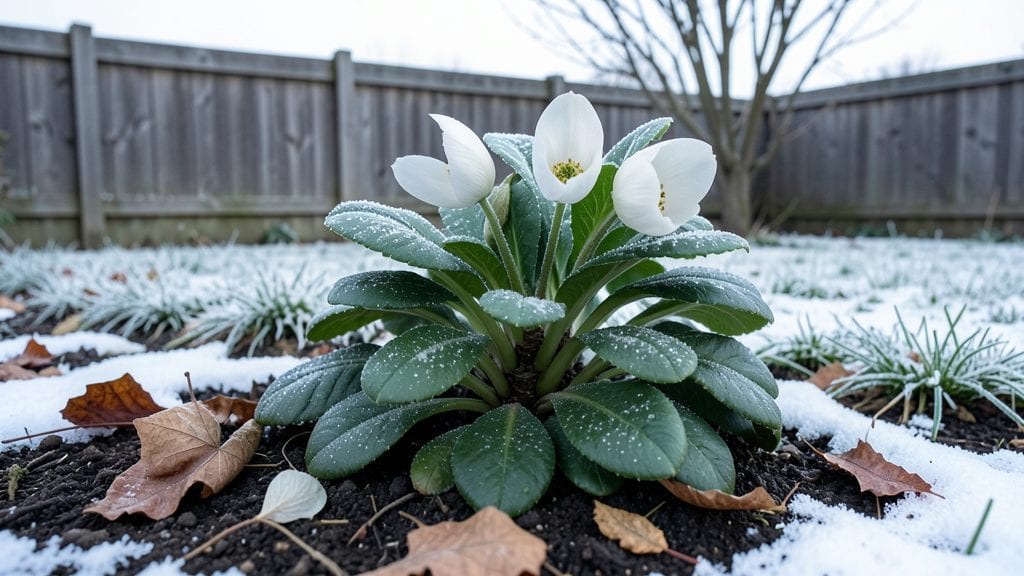
December gardens prove you don’t need summer sun to create beauty—just the right evergreens and a little winter magic. 🌿 I’ll never forget the first time I turned my snowy yard into a lush winter wonderland using cold-hardy plants that stay vibrant even when everything else sleeps.
The secret isn’t complicated: it’s about choosing plants that thrive in frost and adding seasonal interest with evergreen shrubs, berries, and even winter-blooming flowers.
You’ll need just a few key elements: frost-tolerant plants like boxwood, holly, or winter jasmine, plus some mulch to protect roots from freezing temperatures. A small selection of winter pansies or hellebores adds pops of color when other gardens are bare.
The best part? These plants require less maintenance than spring bloomers, so you spend more time admiring and less time fussing. My December garden now gets compliments even in January.
What you’ll end up with is a garden that feels alive year-round—velvety evergreen foliage, jewel-toned berries, and delicate winter blooms that catch the light. The contrast of snow against deep green and soft pinks creates a scene straight out of a holiday card.
Plus, these plants attract birds and pollinators when food is scarce, making your garden a winter oasis for wildlife too.
Works just as well in containers on patios as in backyard beds, and adapts to sunny or partially shaded spots. Whether you’re in a cold northern climate or a milder winter zone, these evergreen combos bring life to December. Let’s get planting—your winter garden is waiting.
📚 In This Guide
- What you need
- Instructions
- Tips and common mistakes
- Wrapping up and next steps
What you need
- ● Evergreen plants: 3–5 Boxwood shrubs (1–3 ft tall)
- ● 2–4 Holly bushes (mature size, 3–5 ft)
- ● 1–2 Pine or Spruce trees (small to medium, 6–10 ft)
- ● 1–3 Heather or Dwarf Azalea for ground cover (1 gal pots)
- ● Soil & Amendments: 50 lbs Well-draining potting mix (or garden soil + perlite for in-ground)
- ● 10 lbs Slow-release fertilizer (14-14-14 NPK ratio)
- ○ Optional: Mulch (3–4 inches, cedar or pine)
- ● Tools: Garden trowel or spade
- ● Pruning shears (sterilized)
- ● Gloves (gardening or work gloves)
- ● Watering can or hose with nozzle
- ● Measuring tape (for spacing)
- ● Accent plants: 1–2 Winterberry (for berries) or Camellia (for blooms)
- ● Lighting: Solar-powered path lights or string lights for ambiance
- ● Decor: Weather-resistant ornaments, bird feeders, or a small fountain
- ● Seasonal care: Frost cloth (for tender plants) or a soil thermometer
Instructions: how to design a December garden for year-round color
Here's how to create a winter garden that stays vibrant and elegant without demanding constant care.
🌿 Step 1: Select the Right Evergreens for Structure and Color
Start with 4-6 evergreen shrubs as your foundation—they provide year-round structure and color. I like a mix of 3-4 foot tall boxwoods for neat, rounded shapes and 2-3 foot tall dwarf conifers like 'Blue Rug' junipers for texture contrast. Place them in a loose grid pattern with 3-4 feet between plants to allow for winter interest without overcrowding.
Look for varieties with blue-green or golden foliage—these stand out best against snow. For example, 'Emerald Green' arborvitae adds vertical lines, while 'Golden Mound' spirea brings a pop of yellow. Arrange them so their colors create a natural progression from front to back.
☀️ Step 2: Add Winter-Blooming Plants for Color Pops
Incorporate 3-4 winter-blooming plants like hellebores, winter jasmine, or camellias to add vibrant blooms when most gardens are dormant. Hellebores thrive in partial shade and flower from late fall through early spring, while winter jasmine climbs trellises and bursts with yellow blooms in late winter. Place these near evergreens where their flowers will be visible from pathways.
For a splash of color in containers, use pansies or violas—they tolerate light frosts and bloom until spring. Choose cool-toned varieties like 'Soraya' pansies in purple and white for a winter garden feel. Group 3-5 plants per 12-inch pot to create a dense, colorful display.
✂️ Step 3: Incorporate Ornamental Grasses and Texture Plants
Add 2-3 ornamental grasses like 'Karl Foerster' feather reed grass or 'Little Sprite' maiden grass for movement and softness. These grasses stay upright in winter and add vertical interest that contrasts with rounded evergreens. Plant them in clusters of 3-5 for a natural look, spacing them 18-24 inches apart.
For texture, include 1-2 shrubs with interesting bark or seed heads, like dogwood or switchgrass. These elements catch light differently in winter, adding depth. For example, 'Arnold Promise' spirea has striking red stems in winter, while 'Plume' switchgrass holds its seed heads all season.
💧 Step 4: Mulch and Protect for Winter Resilience
Spread 2-3 inches of mulch around all plants to insulate roots and retain moisture. Use shredded bark or pine straw—both allow water to penetrate while protecting against freezing temperatures. Keep mulch 2-3 inches away from plant stems to prevent rot.
For tender plants like camellias, wrap their canes in burlap or frost cloth if your winters drop below 15°F. Water deeply before the first hard freeze to ensure plants are hydrated through winter. Avoid wetting foliage, as ice buildup can damage tender leaves.
🪴 Step 5: Add Lighting and Decorative Accents
Install solar-powered path lights or low-voltage landscape lighting to highlight key plants and pathways. Place lights near evergreens and winter-blooming plants to draw attention to their colors. Use warm white or soft yellow bulbs to create a cozy, inviting atmosphere.
Add 1-2 decorative elements, like a weather-resistant bird feeder or a simple wooden bench, to create focal points. These accents make your winter garden feel intentional and lived-in. For example, a small birdbath near evergreens attracts wildlife and adds movement to the scene.
Tips & tricks for perfect December garden design
A few simple strategies will help you create a winter garden that stays beautiful and thrives through the coldest months.
Evergreen Selection: When choosing your 4-6 evergreen shrubs in Step 1, prioritize varieties that maintain their color in winter. Blue-green foliage like 'Emerald Green' arborvitae provides excellent contrast against snow, while golden varieties like 'Golden Mound' spirea add warmth. I recommend mixing 3-4 foot tall boxwoods with 2-3 foot tall dwarf conifers—the height variation creates visual interest and prevents a flat look.
Winter-Blooming Plant Placement: In Step 2, position your 3-4 winter-blooming plants where they'll catch morning sunlight. Hellebores and camellias thrive in partial shade, while winter jasmine needs a trellis in full sun. For containers, use 3-5 pansies or violas per 12-inch pot to create a dense display that won't look sparse in winter's shorter days. The key is grouping plants with similar light needs together.
Mulching for Winter Protection: The 2-3 inches of mulch you apply in Step 4 is crucial for winter resilience. Spread it evenly but keep it 2-3 inches away from stems to prevent rot. For areas where temperatures drop below 15°F, add an extra layer of straw mulch around tender plants like camellias. This creates an insulating blanket that protects roots while allowing moisture to penetrate.
Lighting Strategy: When installing solar-powered lights in Step 5, place them at the base of your 4-6 evergreen shrubs to highlight their textures. Use warm white bulbs to create a cozy atmosphere—these cast a softer glow than cool white lights. I recommend spacing lights about 3-4 feet apart along pathways to ensure even illumination without overpowering the natural beauty of your winter garden.
Pro Tips for December Garden
- A few simple strategies will help you create a winter garden that stays beautiful and thrives through the coldest months.
- Evergreen Selection: When choosing your 4-6 evergreen shrubs in Step 1, prioritize varieties that maintain their color in winter.
- Winter-Blooming Plant Placement: In Step 2, position your 3-4 winter-blooming plants where they'll catch morning sunlight.
Frequently asked questions
Can I still plant in December?
Yes! While planting new perennials or shrubs isn’t ideal in many climates, December is perfect for planting bare-root trees, dormant bulbs (like daffodils), and cold-hardy evergreens. Focus on areas with well-draining soil and protect young plants with mulch or frost cloth. Check your local frost dates to avoid late surprises!
What are the best evergreens for December color?
For year-round structure and color, opt for holly, boxwood, or dwarf conifers (like ‘Blue Rug’ juniper). Berries like winterberry or skimmia add pops of red, while heaths and hellebores bloom in cool weather. Mix textures—needles, broadleaf, and berries—for a lush, layered look.
How do I protect plants from winter damage?
Start with mulch (3–4 inches) around the base of plants to insulate roots. Wrap tender stems with burlap or frost cloth, and avoid overwatering (soil should stay slightly moist, not soggy). For containers, move them to a sheltered spot or use insulating wraps. Prune dead foliage in early spring—never in winter—to avoid stressing plants.
Are there any December-friendly annuals?
Most annuals won’t survive winter, but pansies, snapdragons, and calendula are cold-tolerant and can bloom until frost. For containers, try ornamental kale or cabbage—their vibrant colors last through winter! If you’re in a mild climate (Zone 8+), pansies planted in November may reward you with early spring blooms.
What if my garden looks bare in December?
No worries! Embrace the season’s natural beauty with bare branches of ornamental trees (like Japanese maples) or add winter interest with seed heads, evergreen garlands, or even a small fire pit. Reflective surfaces (like a polished metal bowl) or snow art (spray-painted designs on ice) can turn a “blank” space into a winter wonderland.
Wrapping up and next steps
A December garden proves that winter doesn’t have to be a monochrome season—evergreens, berries, and bold textures bring life, color, and elegance to your outdoor space.
Whether you’re a seasoned gardener or just starting, these tips and plant selections will help you create a stunning, low-maintenance winter retreat that thrives year-round.
Ready to transform your space? Start small—pick one or two evergreens or winter-blooming plants to test the look, then expand next season. Your garden will thank you (and so will your winter guests!). 🌿✨