
Container Gardens
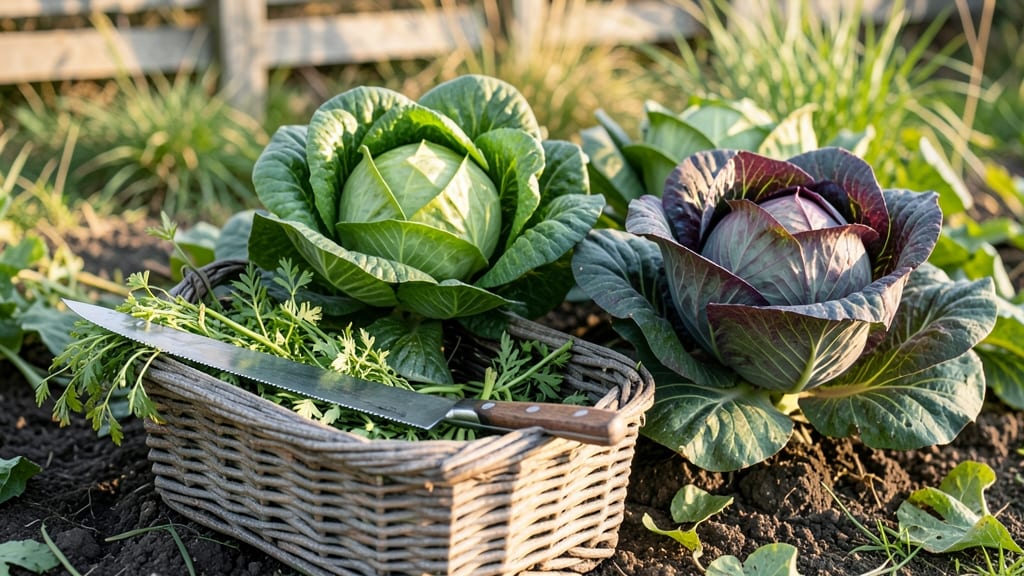
Victory gardens during WW1 weren't just about growing food—they were a strategic response to food shortages caused by disrupted supply chains and rationing. 🌱 The U.S. alone saw these gardens produce about 40% of the nation's fresh vegetables, with families cultivating everything from potatoes to cabbage in even small backyards. What made them so effective was their focus on high-yield, easy-to-grow crops that required minimal space, proving how even urban areas could contribute to the war effort.
These gardens also served as a morale booster, turning civilians into active participants in the war effort. The concept spread globally, with countries like Britain and France adopting similar programs. Today, their legacy lives on in community gardens and urban farming initiatives.
💡 In This Article
- How WW1 Victory Gardens Boosted Food Security
- Planning a Modern Victory Garden: Essential Crops and Tips
How WW1 victory gardens boosted food security
The U.S. government launched the Victory Garden campaign in 1917 through the National War Garden Commission, distributing over 5 million pamphlets with planting guides and crop recommendations. These weren't just gardening tips—they were strategic instructions designed to maximize production with minimal resources.
The focus was on high-calorie, nutrient-dense crops like potatoes (producing 10-15 pounds per 100 sq ft), cabbage (yielding 5-10 heads per plant), and carrots (with 15-20 pounds per 100 sq ft), all chosen for their ability to thrive in small spaces and withstand poor soil conditions.
The real innovation lay in soil science adaptations for urban areas. Gardeners were taught to enrich poor city soils with composted manure or leaf mold, creating fertile beds even in limited spaces.
The U.S. Department of Agriculture recommended crop rotation techniques to prevent soil depletion, despite many gardeners having only small plots.
This scientific approach meant families could produce 40% of the nation's vegetables—equivalent to feeding 20 million people daily—while freeing up commercial farms to focus on livestock and grains needed for the military.
Government propaganda played a crucial role in driving participation. Posters featured Uncle Sam pointing at backyards with slogans like "Food Will Win the War," while schools taught children about gardening as a patriotic duty. The rationing system created urgency—meat and sugar became scarce, but homegrown vegetables provided essential vitamins.
Families who grew just 5 pounds of vegetables weekly could save $500 annually (over $14,000 today) while directly supporting the war effort.
What made these gardens uniquely effective was their adaptability to urban environments. Many city dwellers grew vegetables in window boxes, rooftops, and even sand-filled trenches along sidewalks. The National War Garden Commission provided free seeds to low-income families, ensuring participation wasn't limited by resources.
This grassroots approach demonstrated how localized food production could stabilize national food supplies during crises—a lesson still relevant today in discussions about food sovereignty and climate resilience.
The psychological impact was equally significant. These gardens fostered community solidarity as neighbors shared seeds and knowledge. The act of growing food became a tangible way to contribute to the war effort, transforming passive citizens into active participants.
This dual benefit—food security and national morale—made victory gardens one of the most successful wartime initiatives in history.
Modern urban farming owes much to these WW1 innovations. The emphasis on space-efficient crops, soil enrichment, and community collaboration directly inspired today's container gardening and vertical farming movements.
The victory garden model proved that even in the most constrained environments, people could grow significant portions of their own food—a principle that resonates strongly in today's discussions about food independence and sustainability. 🌱