
Planting
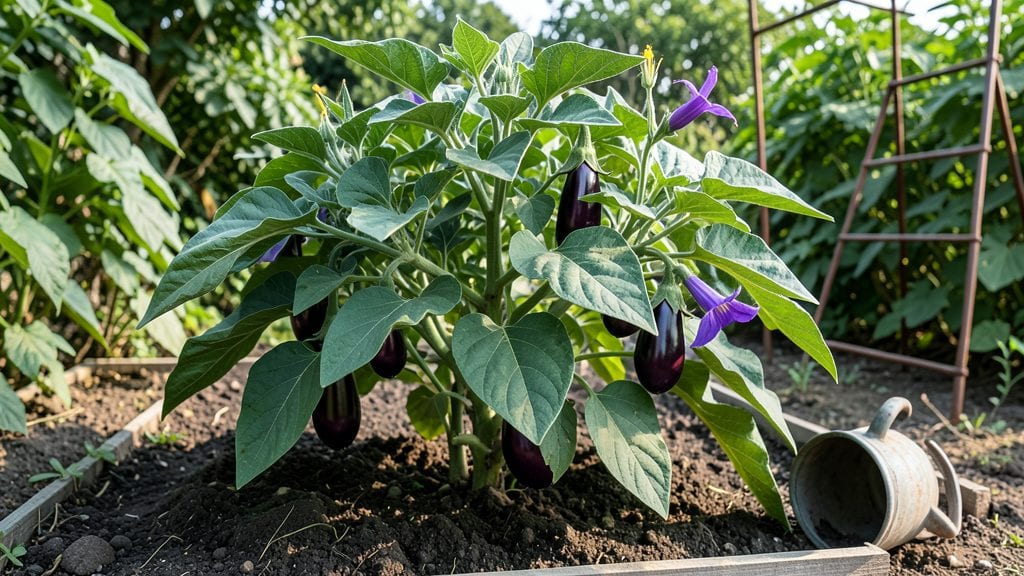
Transform your eggplant plant garden into a bounty of homegrown treasures with deep purple, glossy fruits far superior to anything you’ll find in a store—just wait until you taste the difference! 🌱 I’ve grown eggplants for years, and the secret to success isn’t complicated—it’s about matching the right variety to your climate, prepping the soil. just right, and keeping those plants happy through the heat.
Most gardeners assume eggplants are finicky, but with a few key adjustments, they thrive even in short seasons.
The best varieties for beginners are compact types like ‘Black Beauty’ or ‘Ichiban,’ which produce fruit quickly and handle heat better than larger varieties. You’ll need well-draining soil mixed with compost—eggplants hate soggy roots—and a spot where they’ll get at least 6-8 hours of sunlight daily.
Water consistently, keeping the soil moist but not waterlogged, and mulch to retain moisture. The payoff? Plump, tender eggplants ready to harvest in 70-90 days, depending on the variety.
Pruning isn’t necessary, but pinching off early flowers can encourage stronger plants and bigger fruit later. Watch for common pests like flea beetles and aphids—neem oil or insecticidal soap works well.
The first harvest is always a triumph: slicing into a homegrown eggplant reveals that deep purple flesh, rich and flavorful, that store-bought versions can’t match. With the right care, you’ll be harvesting all season long.
Even in cooler climates, eggplants can succeed with a 4-6 week head start indoors and black plastic mulch to warm the soil. The key is patience—these plants take time to mature, but the results are worth it.
Whether you’re growing in containers or a full garden bed, these tips will help you avoid the most common pitfalls and enjoy a bountiful harvest.
📚 In This Guide
- What you need
- Instructions
- Tips and common mistakes
- Wrapping up and next steps
What you need
- ● Eggplant seeds or seedlings: Choose disease-resistant varieties like Black Beauty or Ichiban. Buy 3–5 plants or 10–15 seeds (if starting from scratch).
- ● Well-draining potting mix or garden soil: 5–10 gallons (for containers) or enrich your garden bed with compost for loose, fertile soil (pH 5.8–6.5).
- ● Fertilizer: Balanced 10-10-10 or organic compost (1–2 cups per plant at planting time).
- ● Mulch: Straw or shredded leaves (2–3 inches thick) to retain moisture and suppress weeds.
- ● Garden trowel or transplanting spade (for digging holes).
- ● Watering can or hose with a gentle spray nozzle (eggplants love consistent moisture!).
- ● Garden gloves (to protect your hands from thorns and soil).
- ○ Stakes or cages (optional but helpful): 4–6 ft tall to support heavy eggplants.
- ● Pruning shears (for trimming excess leaves or dead growth).
- ● Full sun (6–8 hours daily)—eggplants are sun-worshippers! 🌞
- ● Warm soil (70°F+)—wait until after the last frost or use black plastic mulch to warm the ground.
- ● Space: 18–24 inches between plants (36 inches for large varieties).
- ● Patience: Eggplants take 70–90 days to mature—plan accordingly!
Step-by-Step instructions for planting eggplants in the garden
Here’s my foolproof method for growing vigorous eggplants that produce bountiful fruit all season long.
🌱 Step 1: Prepare the Soil and Planting Site
Eggplants thrive in warm, well-draining soil with plenty of organic matter. Work the 3 gallons of compost and 1 pound of 10-10-10 fertilizer into the top 12 inches of soil, mixing thoroughly. Eggplants prefer a slightly acidic to neutral pH (6.0–7.0), so test your soil if possible—amend with sulfur if needed. Avoid planting where tomatoes, peppers, or eggplants grew last year to prevent disease buildup.
Choose a location with full sun exposure (at least 8 hours daily). If your climate has cool springs, wait until after the last frost date and soil temperatures reach at least 70°F—eggplants won’t germinate in cold soil. I like to warm the soil further by covering it with black plastic for a week before planting; this speeds up germination and gives seedlings a head start.
🪴 Step 2: Plant Eggplant Transplants Correctly
Transplant 4 eggplant seedlings (one per 2-foot spacing) into the prepared soil, spacing rows 3 feet apart. Dig holes just deep enough to bury the seedlings to their original soil line—burying too deep can suffocate the stem. Gently loosen the roots if they’re root-bound, then place each plant in its hole and firm the soil around the base.
Water deeply right after planting to settle the soil and eliminate air pockets. Mulch around each plant with 2 inches of straw or shredded leaves to retain moisture and suppress weeds. Avoid wetting the leaves when watering—this reduces disease risk. Eggplants are sensitive to transplant shock, so keep the soil consistently moist (but not soggy) for the first 2 weeks to help them establish strong roots.
☀️ Step 3: Provide Support and Maintenance for Healthy Growth
As plants grow, install cages or stakes (like the 4 tomato cages) around each eggplant to support their heavy fruit. Eggplants can get top-heavy, and without support, stems may break under the weight. I like to weave the cages into the soil as the plants grow, securing them with soft ties to avoid damaging the stems.
Fertilize once more after the first flowers appear using the remaining ½ pound of 10-10-10 fertilizer, working it into the soil around the base. Water at the base of the plant every 2–3 days, ensuring the top 2 inches of soil stay moist—eggplants are thirsty but hate soggy roots. Prune any suckers (small shoots in the leaf axils) to direct energy toward fruit production, and remove any yellow or diseased leaves immediately to prevent spread.
✂️ Step 4: Harvest and Encourage Continuous Production
Eggplants are ready to harvest when they reach 6–8 inches long and develop a glossy, deep purple (or your variety’s color). Use a sharp knife or pruners to cut the fruit from the stem, leaving a small portion attached to avoid damaging the plant. Harvest every 2–3 days during peak production to encourage more flowers and fruit—overripe eggplants become bitter and woody.
Continue fertilizing lightly every 4–6 weeks with the remaining ½ pound of 10-10-10 fertilizer to sustain production. If your eggplants slow down in late summer, give them a final boost with a compost top-dressing and extra water. With proper care, a single plant can yield 8–12 eggplants—enough for fresh eating, grilling, or preserving!
Tips & tricks for perfect eggplant garden planting
These key strategies will help you maximize your eggplant harvest while avoiding common pitfalls that can derail even the most eager gardeners.
Soil Temperature is Non-Negotiable: The 70°F soil temperature threshold in Step 1 isn't just a suggestion—it's critical for germination. I've seen seedlings fail to sprout when planted in cooler soil, no matter how well-prepared the bed. Use a soil thermometer to verify temperatures, especially in early spring. If your soil runs cooler, consider using black plastic mulch for a week before planting to raise the temperature naturally. This extra step can mean the difference between robust seedlings and wasted effort.
Transplanting Technique Matters: When you're planting those 4 eggplant seedlings in Step 2, pay special attention to the root system. Gently tease apart any circling roots before placing them in the hole—this prevents girdling as the plant grows. I also recommend adding a handful of compost to each planting hole before inserting the seedling. This creates a nutrient-rich zone right where the roots need it most, giving your plants a stronger start during that critical 2-week establishment period.
Support System Strategy: The 4 tomato cages mentioned in Step 3 aren't just decorative—they're essential for preventing stem breakage. Install them early, before the plants get too top-heavy. I like to use soft garden twine to loosely tie the main stems to the cages as they grow, which helps train the plants to grow upright. This simple technique can double your yield by preventing fruit loss from broken stems. Remember, eggplants can produce fruit weighing up to 1 pound each, so that support is working hard!
Harvesting Timing is Everything: That 6–8 inch size range in Step 4 is your sweet spot for flavor and texture. Harvesting at this stage ensures tender, mild eggplants rather than the bitter, seedy ones that develop when left too long. I've found that harvesting every 2–3 days during peak production actually stimulates more flowering—your plants will respond by producing continuous new fruit throughout the season. Use a sharp knife and cut cleanly just above the stem attachment point to avoid damaging the plant.
Pro Tips for Eggplant Plant Garden
- These key strategies will help you maximize your eggplant harvest while avoiding common pitfalls that can derail even the most eager gardeners.
- Soil Temperature is Non-Negotiable: The 70°F soil temperature threshold in Step 1 isn't just a suggestion—it's critical for germination.
- Transplanting Technique Matters: When you're planting those 4 eggplant seedlings in Step 2, pay special attention to the root system.
Frequently asked questions
Got questions about growing eggplants? You’re not alone—this versatile veggie can be tricky for beginners! Here are answers to the most common queries to help you cultivate a thriving eggplant garden.
How long does it take for eggplants to grow and produce fruit?
Eggplants are slow growers but worth the wait! From seed, expect 70–90 days to harvest, while transplants may fruit in 60–80 days. Warmth speeds things up—plant after the last frost when soil is at least 60°F (15°C). Patience pays off with glossy, purple (or striped!) fruits!
Can eggplants survive frost or cold weather?
Eggplants are tropical plants and hate cold. They’ll die if exposed to temps below 50°F (10°C). Start seeds indoors 8–10 weeks before the last frost, then transplant only after soil warms. Use row covers for early-season protection, but don’t push it—eggplants need heat to thrive.
What are the most common eggplant pests, and how do I prevent them?
Watch for aphids, flea beetles, and hornworms—they love eggplant leaves! Prevent pests by:
- Rotate crops (don’t plant in the same spot yearly).
- Use row covers for young plants.
- Handpick hornworms (they’re camouflaged but easy to spot!).
- Spray neem oil for aphids.
Why are my eggplants small or misshapen?
Small or oddly shaped eggplants usually mean poor pollination, heat stress, or overcrowding. Try these fixes:
- Ensure temps stay between 70–85°F (21–29°C)—extreme heat can stunt growth.
- Space plants 18–24 inches apart for airflow and sunlight.
- Gently shake plants to encourage pollination (or hand-pollinate with a brush).
- Avoid overwatering—consistent moisture (not soggy soil) is key.
What can I plant alongside eggplants for a better harvest?
Eggplants love companion plants that repel pests and improve growth! Try:
- Marigolds (deter nematodes).
- Basil (boosts flavor and repels flies).
- Potatoes (share similar care needs).
- Avoid planting near fennel or dill—they stunt eggplant growth.
Wrapping up and next steps
Growing your own eggplant plant garden is a rewarding adventure—whether you're a seasoned gardener or just starting out! With the right soil, sunlight, and care, you’ll soon enjoy a bountiful harvest of glossy, vibrant eggplants. Remember, patience and consistency are key!
Now that you’re armed with tips and answers to common questions, it’s time to roll up your sleeves and plant. Start small, track your progress, and soon you’ll be savoring homegrown eggplants in your favorite dishes. Happy gardening! 🌱✨