
Plants
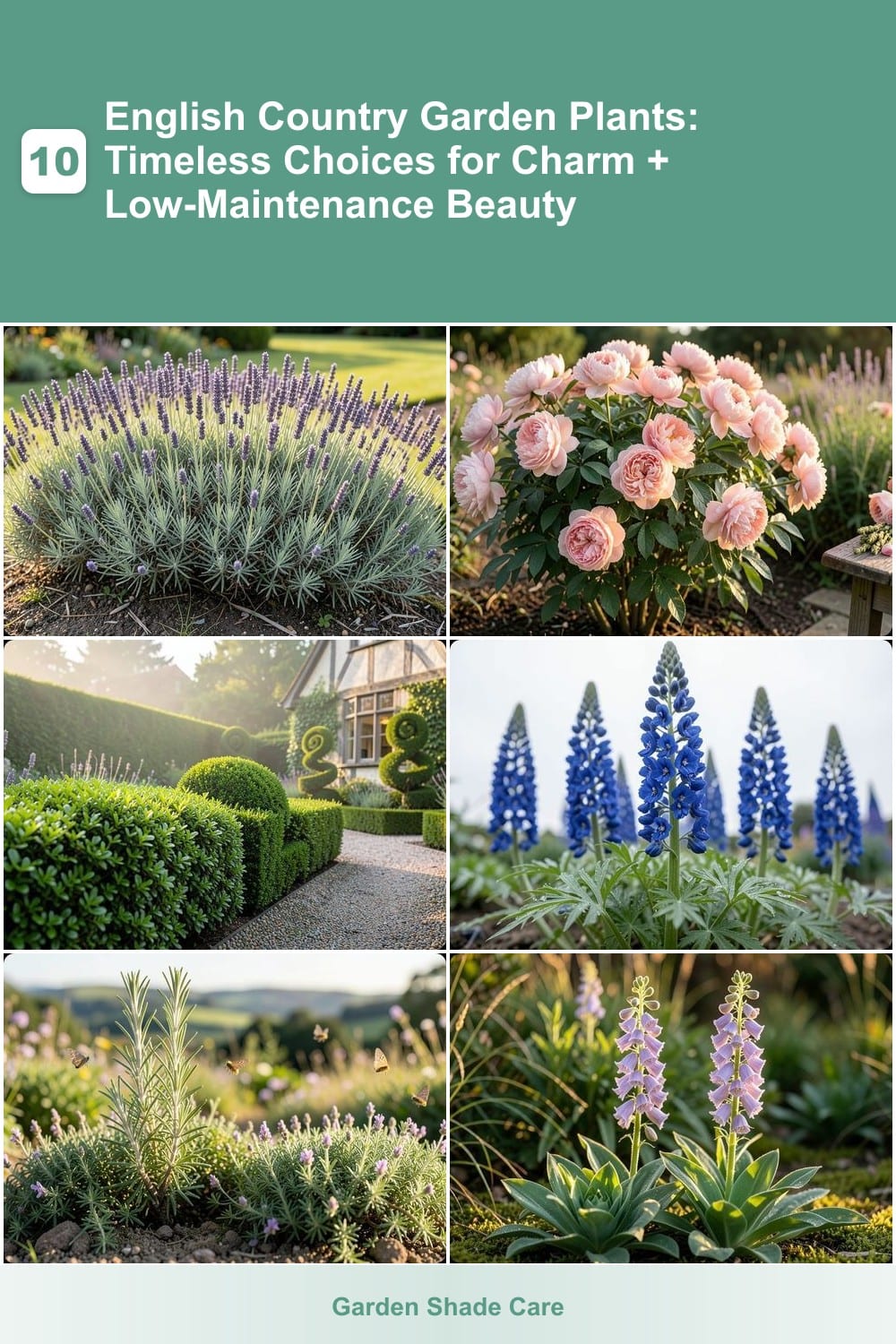
Crafting an English country garden means blending romance, history, and effortless beauty. These ten timeless plants deliver classic charm while thriving with minimal fuss—perfect for gardeners who love old-world elegance without high maintenance.
Lavender English Hedges for Fragrant Boundaries
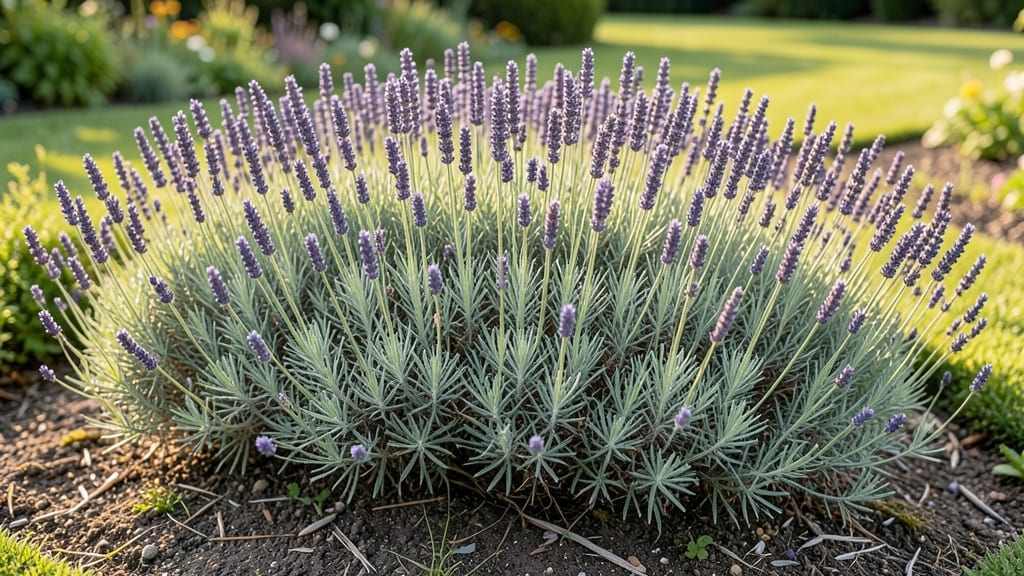
Transform your garden borders into fragrant, low-maintenance havens with lavender hedges—the quintessential English country plant. Their silvery foliage and purple blooms not only define spaces elegantly but also attract bees while repelling pests naturally.
Plant English lavender in full sun with well-drained soil (even sandy beds work perfectly). Space plants 12-18 inches apart for a dense hedge, and trim lightly after flowering to maintain shape. Once established, these drought-resistant shrubs thrive with minimal watering—ideal for busy gardeners.
Perfect for cottage-style gardens, lavender hedges offer year-round structure and summer fragrance. Urban gardeners with small spaces will love how they create privacy without sacrificing beauty. 🌿
Peony Bushes for Lush, Long-Lasting Blooms
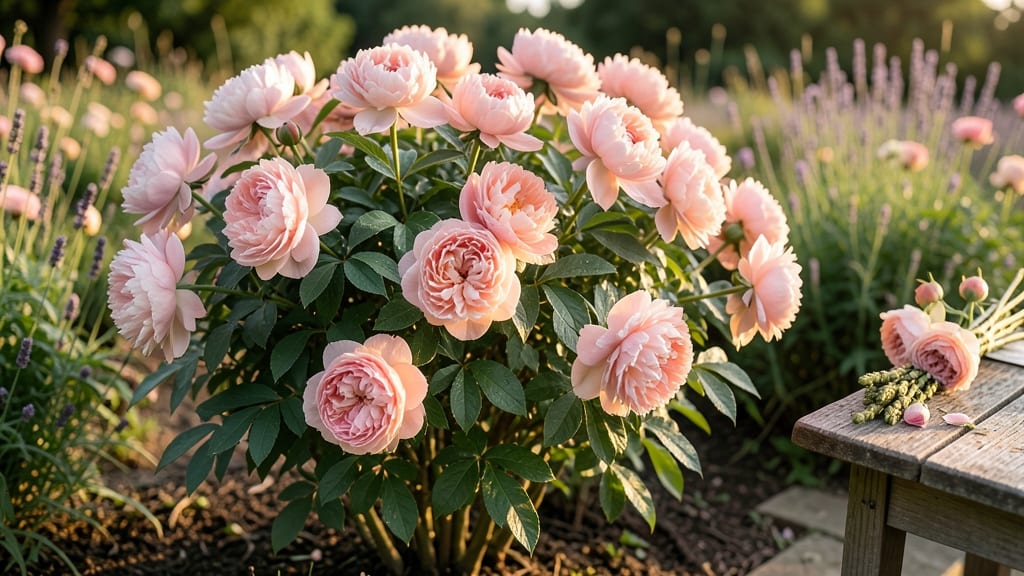
If you crave bold, romantic blooms that return year after year with almost no effort, peony bushes are your secret weapon. Unlike many perennials, they reward patience with lush, dinner-plate-sized flowers that last for weeks—whether left in the garden or cut for bouquets.
These deer-resistant shrubs thrive in partial shade, making them ideal for under trees or along north-facing borders. Plant them in well-drained soil with 3-4 feet of space between each bush, and they’ll rebloom annually with minimal pruning—just remove spent blooms to encourage more flowers. Varieties like Sarah Bernhardt (pink) or Kodak Red (deep crimson) add drama to cottage-style gardens.
Peonies symbolize prosperity in traditional English designs, and their low-maintenance nature makes them perfect for gardeners who want beauty without the fuss. 🌻
Boxwood Shrubs for Structured Elegance
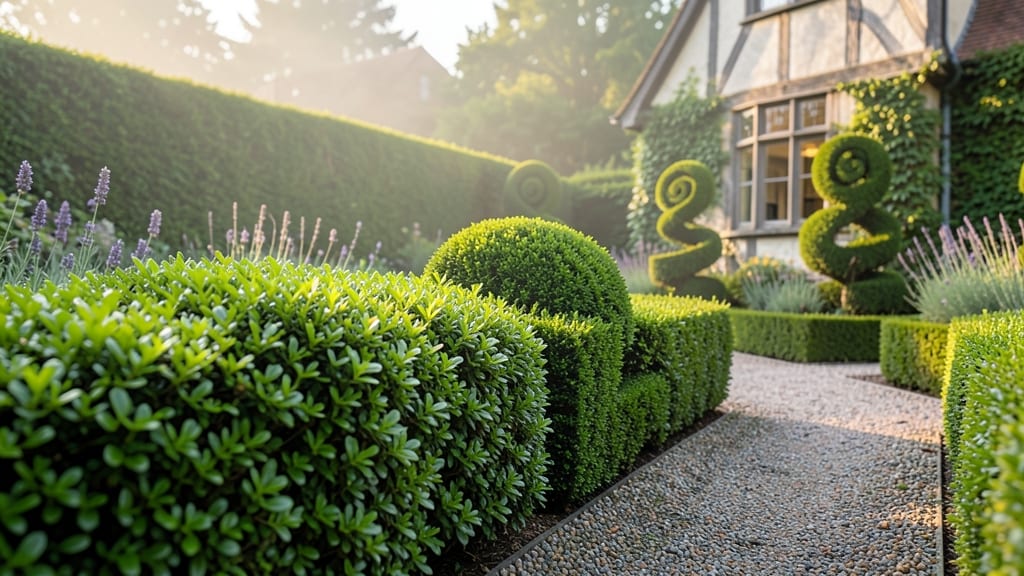
Transform your garden into a living work of art with boxwood shrubs, the backbone of classic English topiary. Unlike seasonal blooms, these evergreen shrubs stay lush and green year-round, offering structured elegance that defines pathways, frames windows, or creates intricate shapes like spirals or cubes.
Boxwoods thrive in partial shade to full sun and tolerate a wide range of soil types, though they prefer well-drained conditions. Prune them lightly in spring and again after blooming to maintain their shape—just a few cuts with sharp shears keeps them looking manicured. Their slow growth means you’ll spend less time trimming and more time admiring their polished look.
Perfect for both formal gardens and cozy cottage yards, boxwoods bring timeless sophistication with almost no upkeep. They’re especially ideal for gardeners who love symmetry and structure without the fuss of high-maintenance plants. 🌿
Delphiniums for Towering Blue Beauty
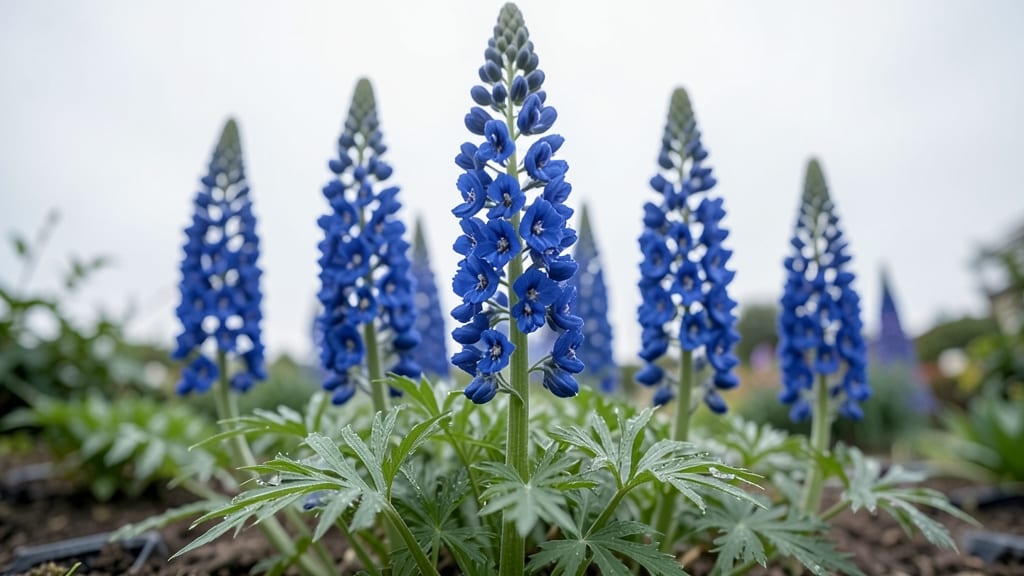
If you crave vertical drama without the fuss of tall trellises, delphiniums are your answer. These cool-climate superstars shoot up to 5-6 feet, turning cottage gardens into storybook scenes with their cobalt-blue spikes—perfect for cutting arrangements that last weeks in vases.
Plant seeds in early spring for biennial blooms that return yearly through self-seeding. Stake stems in windy areas and deadhead spent flowers to encourage second flushes. Their rosy companions (like 'David Austin' roses) create dreamy borders, while their hummingbird magnet status adds wildlife appeal.
Ideal for gardeners in USDA Zones 3-9, delphiniums bring old-world charm with almost no maintenance. Just provide full sun and well-drained soil—no fuss, all drama! 🌻
Rosemary and Thyme for Edible Herbs
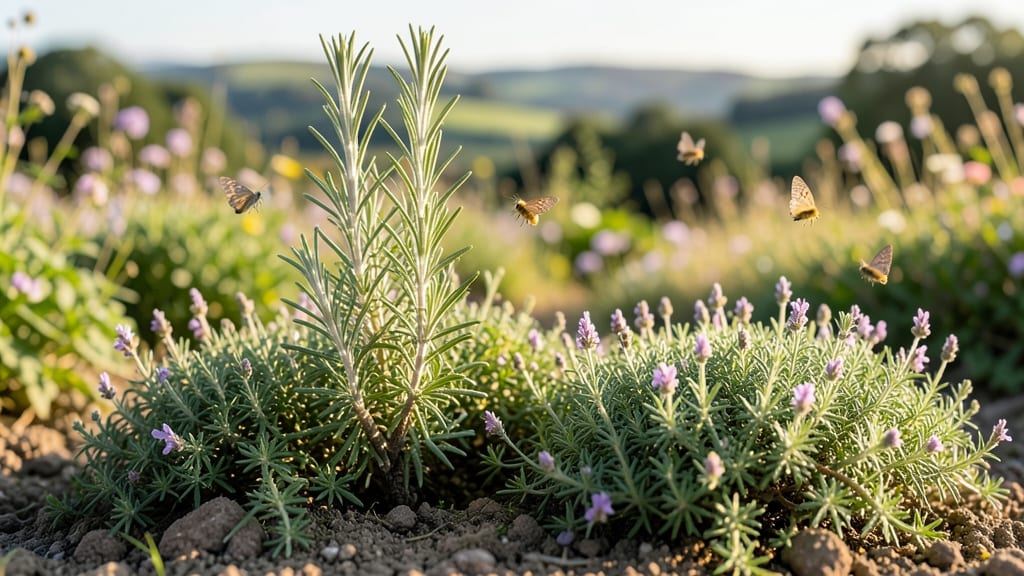
If you crave a garden that’s both beautiful and useful, rosemary and thyme are your secret weapons. These hardy, evergreen herbs bring fragrant aromas to your outdoor space while attracting pollinators—no extra effort required. Their contrasting shapes (upright rosemary and trailing thyme) create visual interest that’s as pleasing to the eye as it is to the nose.
Plant rosemary in well-drained soil with full sun and enjoy its pine-like scent and delicate purple flowers. Thyme, on the other hand, thrives in rocky or sandy soil and spreads gracefully, perfect for borders or containers. Both herbs are drought-tolerant once established, making them ideal for busy gardeners or dry climates. Snip leaves for cooking, and watch bees and butterflies flock to their blooms.
These dual-purpose plants are perfect for small spaces, container gardens, or herb spirals, offering both culinary and ornamental value. Plus, their low-maintenance nature means more time to enjoy your garden’s charm. 🌿
Foxgloves for Whimsical Height
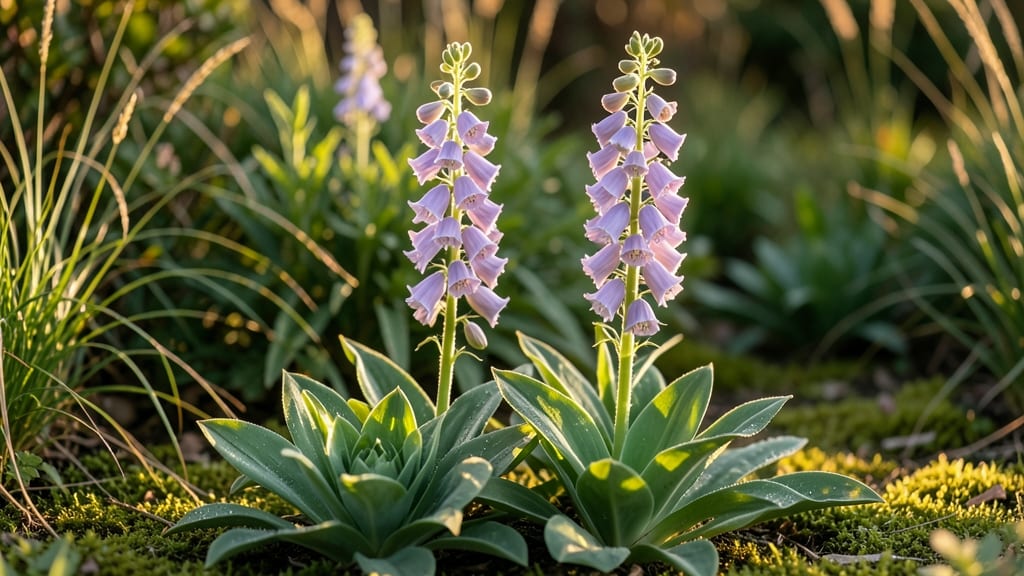
If your garden feels flat, foxgloves are the magical solution—towering spikes of bell-shaped blooms that look like they’ve stepped out of a storybook. These biennials start as basal rosettes in their first year, then burst into whimsical height (3-5 feet) the following season, creating instant vertical drama with almost no effort.
Thriving in partial shade, foxgloves prefer well-drained soil and are surprisingly low-maintenance once established. Their self-seeding nature means you’ll get free replanting year after year, while their nectar-rich flowers attract hummingbirds and bees. The secret to prolonging blooms? Simply deadhead spent flowers to encourage a second flush of blossoms later in the season.
Perfect for woodland gardens, cottage borders, or even containers, foxgloves bring fairy-tale charm without the fuss of high-maintenance perennials. 🌷
Hydrangeas for Bold Color Variations
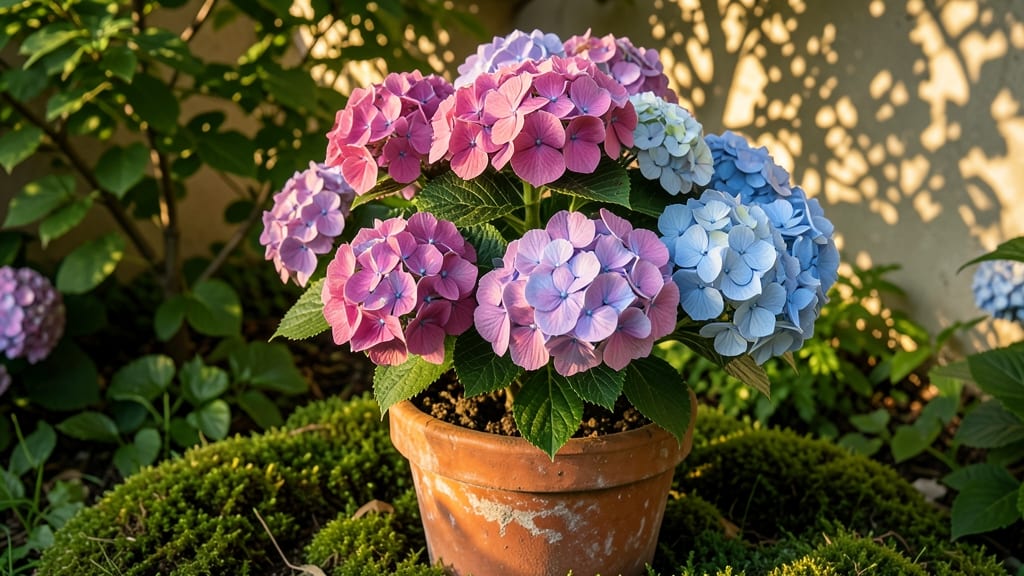
Want to transform your garden with a single plant that does it all? Hydrangeas are the secret weapon for bold, ever-changing color—their blooms shift from pink to blue depending on your soil’s pH. This magical trait lets you experiment with garden hues without buying new plants!
For partial shade lovers, varieties like 'Nikko Blue' (deep violet-blue) or 'Limelight' (lush green turning burgundy) thrive where sun is limited. Keep soil consistently moist (but not soggy) and feed with acid-loving fertilizer in spring to encourage vibrant blooms. Prune spent flowers in late winter to promote next year’s abundance.
Perfect for urban gardeners with limited space or beginners craving drama, hydrangeas add year-round interest—even their seed heads have charm in winter. 🌷
Daffodils for Early Season Cheer
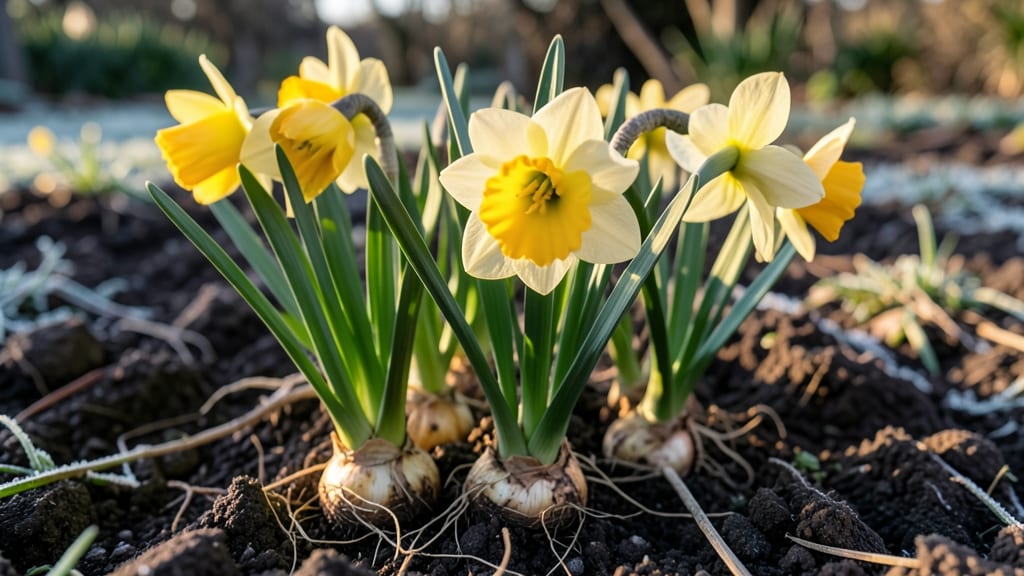
When winter’s gray finally lifts, nothing announces spring’s arrival like daffodils bursting through frost-still soil. Their cheerful blooms transform barren beds into vibrant canvases, proving that the most reliable garden performers often arrive first—and stay longest.
These deer-resistant bulbs naturalize effortlessly, spreading year after year while demanding almost no care. Plant them in fall (October-November) for blooms that appear before most perennials wake up. Choose varieties like 'Tête-à-Tête' for compact clusters or 'Ice Follies' for pure white elegance. Their hardiness means they’ll thrive even in partial shade, making them ideal for under trees or along north-facing borders.
Perfect for gardeners who crave instant gratification, daffodils deliver low-maintenance joy with zero fuss. Once established, they’ll multiply and return faithfully—year after year, just like the English gardens they grace. 🌻
Ivy for Classic Climbing Cover
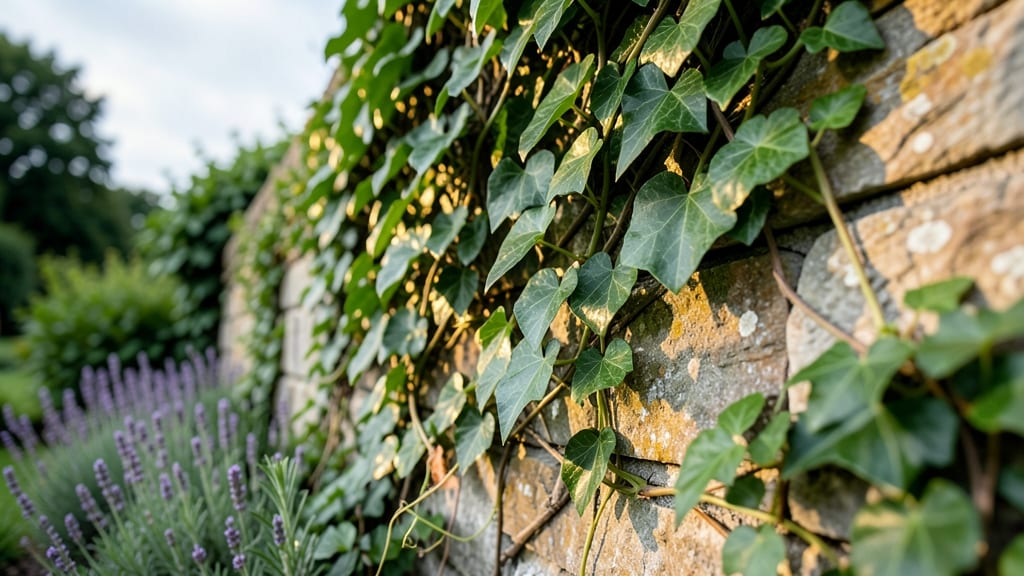
For gardeners who love the charm of old stone walls and rustic arbors, nothing beats the timeless appeal of English ivy—a classic climbing cover that transforms bare structures into lush, green tapestries with almost no effort.
The Hedera Helix variety is the gold standard, thriving in partial shade to full sun and adapting to almost any soil type, from clay to rocky beds. Plant it directly against walls or trellises, and watch it spread gracefully over time. Unlike many climbers, ivy doesn’t require pruning to stay in check—just trim back overgrowth in late winter to maintain a tidy look. Its evergreen leaves provide year-round interest, making it a perfect backdrop for roses or hydrangeas.
Ideal for gardeners who want low-maintenance beauty, ivy is especially magical in English cottage gardens, where it softens hard edges and adds a touch of whimsy. Plus, it’s deer-resistant and drought-tolerant once established—perfect for busy gardeners or those with dry climates. 🌿
Roses for Timeless Romance
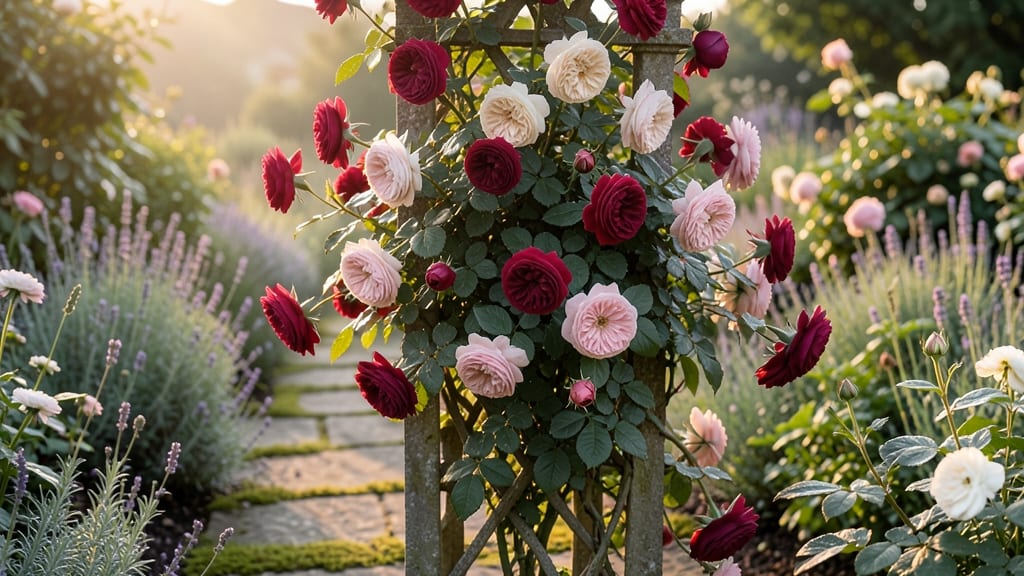
No English garden feels complete without the timeless romance of roses—especially David Austin English roses, bred to recapture the old-fashioned charm of Victorian blooms. These varieties offer rich fragrance and repeat blooming throughout the season, making them the heart of any cottage-style garden.
Plant roses in full sun to partial shade with well-drained soil, and give them space to grow (3-4 feet apart). The secret to their longevity? Annual pruning in late winter or early spring to remove dead wood, followed by deadheading spent blooms to encourage more flowers. Choose disease-resistant varieties like 'Gertrude Jekyll' or 'Abraham Darby' for effortless beauty that thrives with minimal fuss.
Perfect for gardeners who love romantic, old-world elegance, these roses add drama to borders, trellises, or even container gardens. Their intoxicating scent and lush petals create a focal point that’s impossible to resist. 🌷