Vegetables
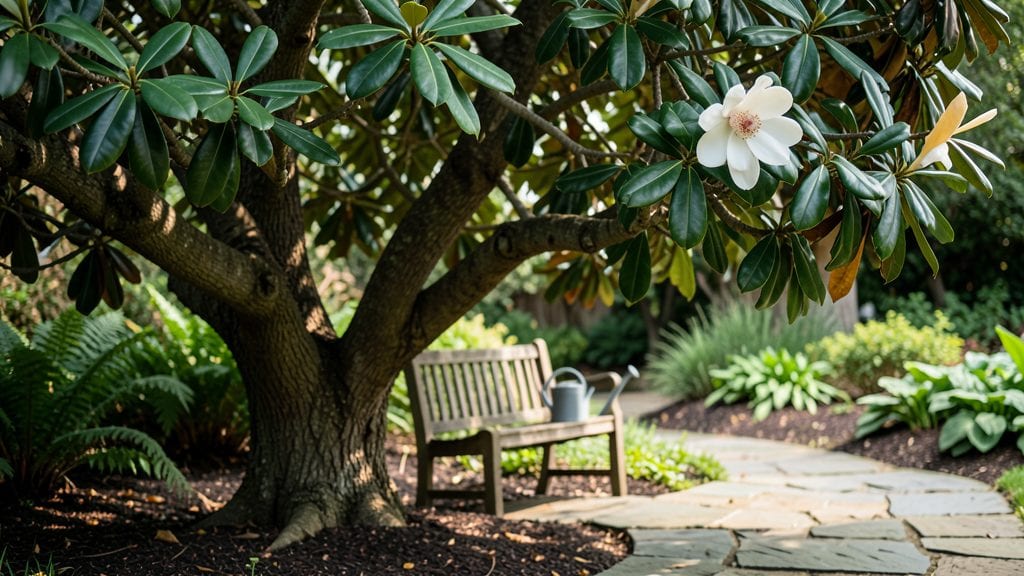
The world’s most famous botanical gardens prove that year-round color isn’t just possible—it’s a masterclass in layering plants by season. I’ve wandered through gardens where winter’s stark branches suddenly burst with hellebores, then seamlessly transition into spring’s tulip carpets, and finally explode into summer’s roses and peonies.
These spaces don’t rely on luck; they’re carefully designed ecosystems where every plant has a job.
The secret lies in their four-season framework: evergreens anchor the structure, spring bulbs provide early pops of color, summer perennials take center stage, and fall foliage and seed heads extend the show. Pathways weave visitors through these layers, creating a journey rather than a static display.
Take Kew Gardens’ glasshouses, for example—they mimic tropical climates while the outdoor gardens handle four distinct seasons, proving that even small spaces can borrow these principles.
You don’t need a 100-acre estate to steal their magic. Start with a single focal point—a striking tree, a bench surrounded by seasonal blooms, or a water feature that reflects changing skies.
Pair a winter-interest shrub like Hamamelis with spring’s Daffodils and summer’s Daylilies, then let fall’s Asters and Grasses take over. The result? A garden that feels alive year-round, not just during peak summer.
Here’s where it gets interesting—botanical gardens often use thematic sections to organize plants. A rose garden isn’t just roses; it’s paired with climbers, ground covers, and fragrant herbs.
Your own garden can mirror this: create a "moon garden" with silvery foliage and night-blooming flowers, or a "cutting garden" where every plant serves a purpose. The key is observation—notice how these gardens balance texture, height, and bloom time, then adapt those lessons to your own space.
📚 In This Guide
- What you need
- Instructions
- Tips and common mistakes
- Wrapping up and next steps
What you need
- ● Soil: 6 bags (40 lbs each) of high-quality garden soil (look for organic, well-draining blends)
- ● 3 cubic yards of compost (for nutrient-rich topsoil)
- ● Plants (Seasonal Layers): Spring: 12 tulip bulbs, 8 daffodil bulbs, 6 hosta plants
- ● Summer: 10 sunflower seeds, 12 petunia plants, 8 lavender shrubs
- ● Fall: 15 chrysanthemum plants, 10 ornamental kale (for texture), 6 sedum plants
- ● Winter: 8 evergreen shrubs (e.g., boxwood or holly), 12 hellebore plants (for early blooms)
- ● Tools: 1 trowel (for planting)
- ● 1 pruning shears (for shaping)
- ● 1 wheelbarrow (for hauling soil/compost)
- ● 1 hose with spray nozzle (for watering)
- ● 1 garden gloves (to protect your hands)
- ● Mulch (2 bags, 2 cubic feet each) – retains moisture and suppresses weeds
- ● Decorative stones or gravel (for pathways or borders)
- ● Trellis or stakes (for climbing plants like morning glories)
- ● pH testing kit (to ensure soil health)
- ● Slow-release fertilizer (for sustained plant growth)
Instructions for designing a year-round botanical garden with four seasonal layers
Here's how to create a layered garden that thrives through every season, inspired by the world's most celebrated botanical displays.
Plan Your Foundation Layer
Start with evergreen shrubs like boxwood or holly to form your garden's backbone. These plants provide year-round structure and anchor the design. I select varieties that mature between 6-10 feet tall depending on the space, ensuring they'll fill out completely within 3-5 years. Space them 8-12 feet apart to allow for mature growth while maintaining visual cohesion.
Consider adding ornamental grasses like fountain grass or maiden grass for movement and texture. These plants thrive in various light conditions and add vertical interest that complements the shrubs. The key is choosing plants that will maintain their form through winter, preventing the garden from looking bare during colder months.
Build the Mid-Height Seasonal Accents
For spring color, incorporate early bloomers like azaleas, rhododendrons, or magnolias. These plants typically flower in late winter to early spring and provide vibrant hues before many other plants emerge. Position them where they'll receive morning sun and afternoon shade, which prevents leaf scorch while maximizing bloom time.
Summer interest comes from perennials like coneflowers, black-eyed Susans, and daylilies. These plants thrive in full sun to partial shade and bloom prolifically from mid-summer through fall. Plant them in clusters of 3-5 plants to create natural drifts that look intentional rather than random. Add a few ornamental trees like Japanese maples for height and seasonal foliage changes.
Layer With Seasonal Ground Covers and Bulbs
Spring bulbs like daffodils, tulips, and hyacinths should be planted in fall—6-8 weeks before the first frost—so they establish roots and bloom early the following year. Choose varieties that bloom at different times to extend the season. Plant them in groups of 15-20 bulbs for maximum impact, spacing them 3-6 inches apart depending on the bulb size.
For summer and fall, incorporate ground covers like creeping thyme, ajuga, or sedum. These plants fill gaps between other layers while providing color and texture. They also suppress weeds naturally, reducing maintenance. In late summer, add fall-blooming perennials like asters and sedum to bridge the gap between summer and winter interest.
Add the Final Seasonal Highlights
For winter interest, select plants with berries, seed heads, or colorful bark like winterberry holly, dogwood, or serviceberry. These elements provide structure and color when most other plants are dormant. Position them where they'll be visible from key vantage points in the garden. I often plant winterberry holly near pathways so visitors can appreciate its bright red berries during the barren winter months.
Consider adding a small water feature or decorative pots with winter pansies. These elements add life to the garden when everything else appears dormant. Place them strategically to create focal points that draw the eye through each season. The goal is to have something in bloom or providing interest in every month of the year.
Maintain Through Each Season
Prune spring-flowering shrubs like azaleas and rhododendrons immediately after they finish blooming to encourage next year's flowers. For summer and fall bloomers, wait until late winter or early spring before pruning to avoid cutting off potential flower buds. Always use clean, sharp tools to make precise cuts that heal quickly and prevent disease.
Mulch annually with 2-3 inches of organic mulch in early spring to retain moisture, suppress weeds, and regulate soil temperature. This layer also protects plant roots during extreme temperatures. Monitor soil moisture regularly, especially during dry spells, and adjust watering accordingly. A well-maintained garden requires consistent care but rewards you with year-round beauty and interest.
Tips & tricks for creating a year-round botanical garden
Creating a botanical garden that thrives through every season requires thoughtful planning and attention to detail. Here are the key strategies that will elevate your design from ordinary to extraordinary.
Seasonal Layering Strategy: The foundation of a successful year-round garden lies in its layered structure. Begin by selecting evergreen shrubs like boxwood or holly that mature between 6-10 feet tall, spaced 8-12 feet apart for visual cohesion. These plants provide the essential structure that remains consistent through all seasons. For added texture, incorporate ornamental grasses like fountain grass or maiden grass, which maintain their form during winter and add vertical interest that complements the shrubs.
Plant Placement Precision: Strategic placement is crucial for maximizing seasonal interest. Position spring bloomers like azaleas and rhododendrons to receive morning sun and afternoon shade, which prevents leaf scorch while extending their bloom time. For summer perennials such as coneflowers and daylilies, plant them in clusters of 3-5 to create natural drifts that appear intentional. This grouping technique not only enhances visual appeal but also encourages pollinators to visit your garden.
Timing is Everything: The 6-8 week window before the first frost is critical for planting spring bulbs like daffodils and tulips. This timing allows them to establish roots before winter dormancy, ensuring vibrant blooms in early spring. Similarly, prune spring-flowering shrubs immediately after they finish blooming to encourage next year's flowers, while waiting until late winter or early spring for summer and fall bloomers prevents cutting off potential flower buds.
Maintenance Mastery: Annual mulching with 2-3 inches of organic mulch in early spring is essential for retaining moisture, suppressing weeds, and regulating soil temperature. This protective layer also shields plant roots from extreme temperatures. Regular monitoring of soil moisture, especially during dry spells, ensures consistent care that keeps your garden thriving throughout the year.
Pro Tips for Famous Botanical Gardens
- Creating a botanical garden that thrives through every season requires thoughtful planning and attention to detail.
- Seasonal Layering Strategy: The foundation of a successful year-round garden lies in its layered structure.
- Plant Placement Precision: Strategic placement is crucial for maximizing seasonal interest.
Frequently asked questions
Exploring famous botanical gardens can be magical, but planning your visit requires a few key details. Here are answers to the most common questions to help you make the most of your trip:
What’s the best time of year to visit famous botanical gardens?
The ideal time depends on the garden, but spring (March–May) and fall (September–November) offer vibrant blooms and mild weather. Summer (June–August) can be crowded and hot, while winter (December–February) may limit some plants—but frost-resistant gardens like Longwood Gardens shine with evergreens and holiday displays. Check each garden’s seasonal highlights for timing tips!
Are botanical gardens free, or do they charge admission?
Most famous botanical gardens do charge admission—typically $10–$25 per adult, with discounts for seniors, students, and kids. Some offer free days (e.g., first Sundays of the month) or free entry for members. Always verify the official website before visiting, as prices and policies vary. Pro tip: Pack a picnic—many gardens have affordable café options!
Are botanical gardens kid-friendly, and what activities do they offer?
Gardens like NY Botanical Garden and Kew Gardens feature children’s trails, interactive exhibits, and plant-themed workshops. Look for family-friendly maps or scavenger hunts to keep little explorers engaged. Some gardens also host storytime sessions or holiday events—call ahead to confirm age-specific activities!
How much walking is involved, and are there accessibility options?
Botanical gardens span hundreds of acres, so expect 1–3+ miles of walking on uneven paths. Most offer wheelchair rentals, paved trails, and accessible restrooms. Pro tip: Use the garden’s app or map to plot a shorter route if mobility is a concern. Strollers are welcome, but some areas may have grass or gravel.
Can I visit multiple famous botanical gardens in one trip?
Yes! If you’re road-tripping, pair nearby gardens like Singing Hills Garden (PA) with Longwood Gardens (also PA) for a two-day botanical adventure. For international trips, cities like London (Kew + Chelsea Physic Garden) or San Francisco (Golden Gate Park + SF Botanical Garden) offer walkable or short-drive combinations. Plan 2–3 days per city to avoid rushing!
Are there photography restrictions in botanical gardens?
Most gardens allow photography for personal use, but commercial shoots or drones often require permits. Always check signs or the website—some areas (like greenhouses or rare collections) may prohibit photos. Pro tip: Visit early in the morning for soft lighting and fewer crowds!
Wrapping up and next steps
From the vibrant blooms of Keukenhof to the serene beauty of Singapore Botanic Gardens, these famous botanical gardens prove that nature’s palette never fades—no matter the season! 🌸 Whether you’re a gardening enthusiast or simply love immersing yourself in lush landscapes, these spaces offer endless inspiration for creating your own four-season garden. Why not take the next step? Start small: plant a few seasonal flowers or herbs in your backyard, balcony, or even a windowsill.
Every green thumb begins somewhere—let yours grow!