
Tools
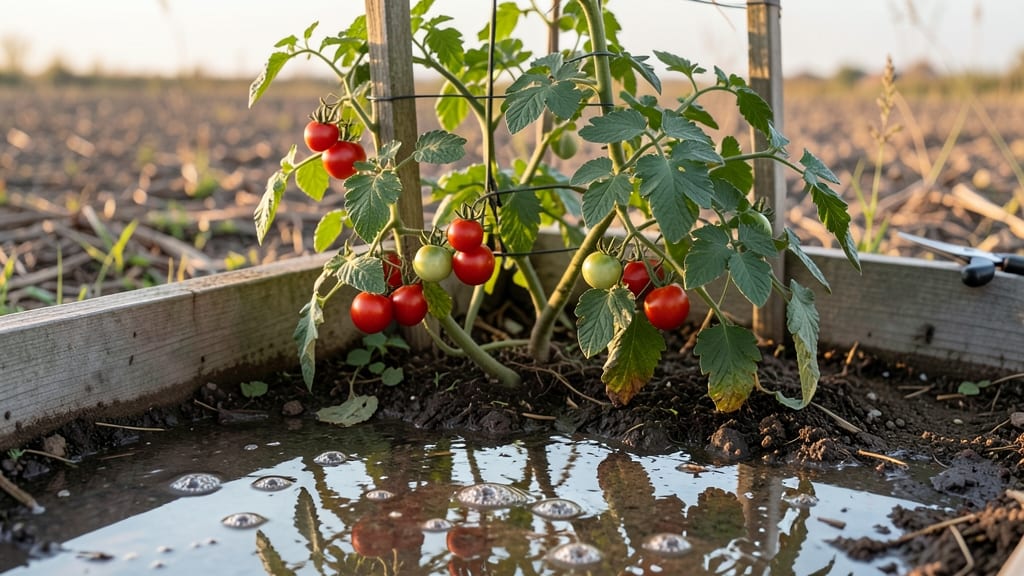
Flooding in your garden turns standing water from a nuisance into a silent killer of roots and soil health. I’ve seen firsthand how flooding in gardens can turn a thriving plot into a soggy mess within days, but elevated beds changed everything for me.
The key isn’t just drainage—it’s giving plants the high ground they need to thrive.
Most gardeners assume they need expensive solutions, but the fix often comes down to simple elevation and smart plant choices. My 4-foot-wide cedar beds cost less than $200 total and now keep water away from roots while improving soil structure.
Flood-tolerant veggies like sweet potatoes and Swiss chard grow like crazy in them, while my tomatoes stay productive even after heavy rains.
By the end of this, you’ll have a system that works for your yard—whether you’re dealing with clay soil, a low-lying spot, or seasonal downpours. The best part?
You’ll see less stress on plants and more consistent harvests, even when Mother Nature tests you. Let’s get your garden back on solid footing.
We’ll cover everything from DIY bed designs to plant selections that handle moisture, so you can skip the guesswork. Your garden’s future starts with dry roots—here’s how to make it happen.
Root Causes Of Standing Water
When your garden turns into a soggy swamp after rain, it’s rarely just bad luck—there’s usually a mix of natural and human-made factors at play. Understanding these causes helps you design solutions that keep water flowing away from your plants and toward where it belongs.
Here’s why your garden might be drowning in water:
🌱 What’s happening: Soil that’s tightly packed—often from foot traffic, heavy machinery, or natural clay composition—can’t absorb water efficiently. Rainwater sits on top like a puddle on a parking lot, unable to seep down.
🔬 Why it matters: Compacted soil reduces porosity, the tiny air and water pockets that let moisture drain. Clay-heavy soils are especially guilty because their particles pack tightly together, creating a waterproof barrier. Even organic matter breaks down over time, leaving soil less able to "breathe."
💡 Actionable fix:
- Test your soil: Dig a 6-inch hole. If water pools at the bottom after 30 minutes, your drainage is poor.
- Amend with organic matter: Mix in compost or sand (coarse, not fine) to loosen clay. Aim for 25–30% organic content.
- Avoid walking on beds: Use stepping stones or mulch paths to prevent further compaction.
📉 What’s happening: Water follows gravity, and if your garden is flat or slopes toward your planting area, rainwater has nowhere to go but pool. Even a slight dip—like a sunken bed—can become a permanent puddle zone.
🔬 Why it matters: A 1% slope (1 foot of elevation change over 100 feet) is ideal for drainage, but many gardens lack this gradient. Without it, water stagnates, leading to anaerobic (oxygen-deprived) soil that suffocates roots and breeds fungus.
💡 Actionable fix:
- Create a slope: Raise one end of the bed by 2–4 inches using gravel or pavers beneath the soil.
- Build a swale: A shallow, curved trench filled with rocks or mulch can redirect water away from the garden.
- Use French drains: Bury a perforated pipe surrounded by gravel to channel water underground.
🚧 What’s happening: Gardens need "highways" for water—like gravel paths, French drains, or even natural slopes—but these often get ignored or blocked by debris, roots, or erosion.
🔬 Why it matters: Over time, sediment, mulch, or plant debris can clog drainage pipes or fill in swales. Even a small blockage forces water to back up, turning your garden into a bathtub.
💡 Actionable fix:
- Inspect drainage features: Clear debris from gutters, downspouts, and pipes annually.
- Install underground perforated pipes: Lay them on a slight slope (¼ inch per foot) with landscape fabric to filter out silt.
- Add dry creek beds: Rocks or pebbles in a shallow trench mimic natural water flow and prevent pooling.
💦 What’s happening: Even if your soil drains well, too much water—from overzealous hosing, broken sprinklers, or poor irrigation timing—can saturate the ground faster than it can escape.
🔬 Why it matters: Plants like vegetables and flowers need 1–1.5 inches of water per week, but excess moisture triggers root rot and soil erosion. Automatic systems (like drip lines) left running overnight can turn your garden into a swamp.
💡 Actionable fix:
- Check irrigation schedules: Water early morning (before 10 AM) to let soil absorb moisture without evaporation.
- Use moisture sensors: Devices like Rachio or Netafim adjust watering based on soil dampness.
- Mulch heavily: 3–4 inches of wood chips slows evaporation and lets soil dry between waterings.
🏗️ What’s happening: Patios, driveways, or even dense mulch layers can act like a waterproof shield, preventing rain from soaking into the ground where it’s needed.
🔬 Why it matters: Concrete and pavement repel water, sending it straight into your garden instead of allowing it to absorb gradually. Even thick mulch (like bark chips) can create a hydrophobic layer if compacted.
💡 Actionable fix:
- Add permeable paving: Use gravel, permeable pavers, or grass grids in high-traffic areas.
- Direct downspouts away: Extend them at least 5 feet from your garden to prevent concentrated runoff.
- Break up hardpan: If you have a clay layer near the surface, aerate with a soil probe or till in sand.
🌧️ Pro Tip: If your garden floods consistently in the same spots, it’s a sign of a structural issue—like a buried clay layer or root barrier. Dig a test pit (12–18 inches deep) to check for hidden obstructions.
Fixing Waterlogged Garden Grounds
Flooding in your garden isn’t just an annoyance—it can damage plants, erode soil, and even compromise your home’s foundation. The good news? With the right fixes, you can reclaim dry, thriving soil and prevent future waterlogging.
Below, we break down practical solutions tailored to the most common causes of garden flooding, from poor drainage to heavy rainfall. Each fix includes prevention tips to keep your garden high and dry long-term.
If your garden floods after storms, the issue likely lies in surface runoff or compacted soil. Here’s how to redirect water and improve absorption:
- 🔥 Install French Drains or Swales French drains (perforated pipes in trenches) or swales (shallow, curved ditches) can divert excess water away from problem areas.
For small gardens, a gravel-filled trench with a perforated pipe works wonders. - Pro Tip: 💡 Angle the drain slightly downward to ensure water flows away from your garden, not toward it.
- 🍳 Raise Garden Beds or Use Containers Elevate planting areas with raised beds (filled with a mix of soil, compost, and sand) or opt for container gardening.
This keeps roots above waterlogged soil while improving airflow. - Pro Tip: ✨ Use perforated pots or fabric-lined containers to prevent root rot if drainage is still an issue.
- 👨🍳 Amend Soil with Organic Matter Compacted clay soil repels water like a raincoat.
Mix in compost, peat moss, or coconut coir to loosen the soil and boost drainage. - Pro Tip: 🌡️ Test your soil’s drainage by digging a hole, filling it with water, and timing how long it takes to drain. Ideal time: 4–6 hours.
If water pools near your home’s foundation, gutters and downspouts are likely dumping water directly into your garden. Redirect them strategically:
- 🔪 Extend Downspouts Away from the House Use downspout extenders (flexible or rigid) to carry water at least 5–10 feet from your home.
Aim for a dry well (a pit filled with gravel) or a rain barrel to collect runoff. - Pro Tip: ⏰ Clean gutters twice a year (spring and fall) to prevent clogs that cause overflow.
- 🥘 Create a Rain Garden A shallow, planted depression near downspouts absorbs excess water while supporting native moisture-loving plants (like hostas or asters). Just ensure it’s downhill from your home to avoid seepage.
Flat gardens act like bathtubs during rain. Break the slope with these landscaping hacks:
- 🔥 Build a Berm or Contour Planting A berm (a mound of soil) along the garden’s edge can block water flow. Alternatively, plant uphill in curves (contour planting) to slow runoff naturally.
- Pro Tip: 🎯 Use mulch or rocks on berms to prevent erosion from heavy rain.
- 🍳 Install a Dry Creek Bed A gravel-filled channel lined with stones mimics a natural stream, guiding water away while adding aesthetic appeal. Perfect for sloped or flat areas prone to pooling.
Once you’ve fixed the flooding, keep it from returning with these low-maintenance strategies:
- 🌿 Plant Deep-Rooted Cover Crops Clover, vetch, or deep-rooted grasses break up compacted soil and improve drainage over time. Plant them in fall or early spring for best results.
- 🔥 Use Permeable Paving Replace solid patios with gravel, permeable pavers, or grass blocks to let water seep into the ground instead of pooling.
- 🌡️ Monitor Soil Moisture A simple moisture meter (or the finger test) helps you adjust watering. Overwatering can worsen drainage issues—let the top 1–2 inches of soil dry between waterings.
- 🎯 Check for Underground Issues If water mysteriously reappears, broken sewer lines or buried pipes might be the culprit. Call a plumber to inspect for leaks.
Final Thought: Flooding doesn’t have to mean game over for your garden. With strategic fixes and a little preventive care, you can transform soggy soil into a thriving, well-drained oasis—no matter how much rain Mother Nature sends your way. 🌧️→🌿
Frequently asked questions
Why does my garden flood after heavy rain even with good soil?
Flat terrain or poor slope direction forces water to pool instead of draining. Even well-amended soil can’t absorb excess if the land lacks a 1% grade (1 foot drop over 100 feet). Check for hidden clay layers too—these act like waterproof barriers underground.
Can I fix drainage issues without digging up my entire garden?
Start with French drains (perforated pipes in trenches) or swales (shallow, curved ditches) to redirect water. For flat areas, try raised beds (4+ feet wide) or container gardening—both keep roots above waterlogged soil while improving airflow.
What are the best plants for flood-prone gardens?
Opt for deep-rooted natives like sweet potatoes, okra, or switchgrass that thrive in wet conditions. For ornamental areas, try cattails, iris, or hostas. Avoid shallow-rooted veggies like lettuce or strawberries—they rot quickly in soggy soil.
How do I know if my garden’s flooding is caused by poor drainage or underground issues?
Dig a 12-inch test pit—if water pools immediately, you’ve hit a clay layer or buried pipe. For persistent flooding, check for sewer line leaks (call a plumber) or downspout overflow (extend them 5+ feet from your home).
Will mulch really help with waterlogged soil?
Yes, but use it strategically! 3–4 inches of wood chips slows evaporation and lets soil dry between rains. Avoid thick layers over compacted clay—they can trap moisture. Pair mulch with soil amendments (compost/sand) for best results.