
Tools
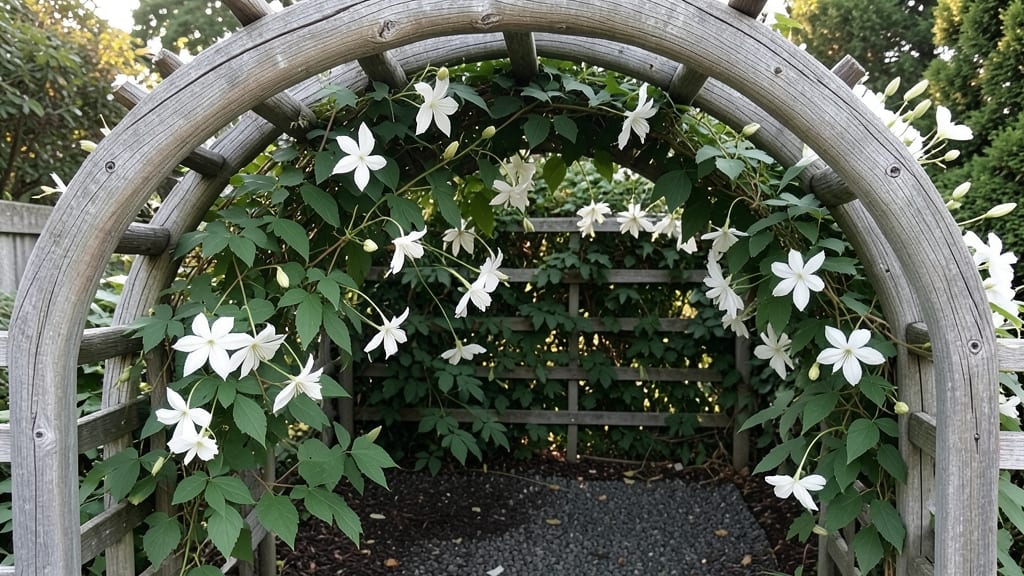
A flower archway garden transforms your entrance into a blooming masterpiece that greets you every season. 🌸 I built mine after years of dreaming about a whimsical entryway that felt like stepping into a storybook—now it’s the first thing guests notice, covered in color from spring through frost.
The secret isn’t just the flowers; it’s how they frame the space, creating a tunnel of scent and texture that makes even the simplest walk feel magical.
You don’t need fancy materials to start—simple wooden posts, sturdy wire mesh, or even repurposed metal frames work perfectly.
Pair that with a mix of climbing roses for summer drama, clematis for early spring interest, and ivy for winter structure, and you’ve got a design that feels both effortless and intentional. The best part? You can scale it to fit a tiny balcony or a grand backyard entrance.
Imagine stepping through a cascade of blooms that changes with the seasons—pink peonies in May, purple wisteria in June, and golden chrysanthemums in October. The arch becomes a living photo backdrop, a fragrant welcome, and a conversation starter all in one.
With the right plant choices and a little structural creativity, you’ll have an entrance that feels like a hug from nature.
Whether you’re going for cottage charm, modern minimalism, or tropical lushness, the principles stay the same: sturdy support, smart plant layering, and a touch of personality. Let’s turn that blank doorway into something unforgettable—one vine at a time.
📚 In This Guide
- What you need
- Instructions
- Tips and common mistakes
- Wrapping up and next steps
What you need
- ● Archway Frame: Wooden beams (2x4 or 4x4, 6–8 ft long), metal pipes (½"–¾" diameter), or PVC pipes (2" diameter) – quantity depends on arch size.
- ● Flowers & Plants: Climbing vines (e.g., clematis, jasmine, or roses), annuals (petunias, impatiens), and perennials (lavender, hydrangeas) – 10–20 plants per archway.
- ● Soil & Amendments: Potting mix (5–10 bags), compost (2–3 bags), and slow-release fertilizer (1 bag).
- ● Hardware: Screws/nails (deck or galvanized), brackets, and wire mesh (for trellis support).
- ● Tools: Saw, drill, measuring tape, level, wire cutters, pruners, and gloves.
- ○ Optional Upgrades: Paint/stain (for wooden frames).
- ● Solar-powered lights (for evening ambiance).
- ● Drip irrigation kit (for low-maintenance watering).
Step-by-Step instructions for building a flower archway garden
Here’s how to craft a charming, long-blooming archway that frames your entrance beautifully.
🪴 Step 1: Choose and Prepare the Arch Structure
Select a sturdy arch frame—wooden, metal, or even a pre-made lattice arch—with enough width to support climbing plants. I like using a 4-foot-wide arch for a grand entrance but scale down to 2-3 feet for smaller spaces. If your arch is new, sand rough edges and treat wood with a non-toxic sealant to prevent rot.
Position the arch where it gets at least 6 hours of sunlight daily—most flowering vines thrive in full sun. If your space is shadier, opt for shade-tolerant climbers like clematis or ivy. Anchor the base securely in the ground or attach it to a sturdy post if freestanding.
🌱 Step 2: Plant Supportive Base Layers
Before adding climbers, plant perennial ground covers along the base of the arch to fill gaps and suppress weeds. Try creeping thyme, ajuga, or ornamental grasses. These will also help retain moisture for your vines. Space them 12-18 inches apart for full coverage.
Next, add shrubby perennials like hydrangeas or abelia on either side of the arch. These provide structure and early blooms while the vines establish. Plant them 18-24 inches from the arch so they don’t compete for space as the climbers grow. Water deeply after planting to settle the soil.
☀️ Step 3: Install Climbing Plants for Year-Round Interest
Start with spring bloomers like clematis or wisteria for early color. Plant them near the arch’s base, burying the root ball just below soil level and spacing them 3-4 feet apart. These vines will scramble upward quickly, so give them something to grip—attach twine or a mesh trellis to the arch for support.
Add summer-flowering climbers like roses or morning glories next. These thrive when trained along the arch’s structure. For roses, plant them 12-18 inches from the arch and prune suckers that grow away from the structure. Water at the base twice weekly during dry spells to encourage vigorous growth.
✂️ Step 4: Train and Prune for Continuous Blooms
As vines grow, gently weave them through the arch’s structure, securing them with soft ties or clips. Avoid wrapping anything tightly—it can damage stems. Prune spent blooms regularly to encourage more flowers. For clematis, cut back dead stems in early spring to make room for new growth.
In late summer, add fall interest with vines like climbing hydrangeas or ornamental sweet potatoes. These will bridge the gap between summer and winter blooms. Mulch the base with 2-3 inches of organic mulch to retain moisture and protect roots in winter.
🌿 Step 5: Maintain for Long-Term Beauty
Fertilize lightly in early spring with a balanced, slow-release fertilizer to support new growth. Avoid heavy feeding in fall—it encourages tender new shoots that won’t survive winter. Monitor for pests like aphids or spider mites and treat early with a neem oil spray if needed.
Every 2-3 years, refresh the base plants by dividing overcrowded perennials or replacing them with new varieties. This keeps the arch looking vibrant and prevents disease buildup in the soil. With this care, your archway will burst with color from early spring through late fall.
Tips & tricks for perfect flower archway gardens
Creating a stunning flower archway takes thoughtful planning—here are the game-changing details that separate a good arch from a breathtaking one.
Sunlight Strategy: That critical 6 hours of sunlight mentioned in Step 1 isn't just about growth—it's about color intensity. If your arch gets morning sun but afternoon shade, prioritize placing sun-loving climbers like roses on the sunny side and shade-tolerant varieties like clematis on the shaded side. I've seen archways with one side vibrant and the other struggling simply because the plants weren't matched to their light conditions.
Support System: Don't skip the twine or mesh trellis mentioned in Step 3—it's not just for looks. When I first built my arch, I skipped this step with morning glories and ended up with tangled vines that looked like a bird's nest. The support gives your plants something to grip as they grow, preventing them from flopping over and creating that elegant cascading effect we all want. Use soft plant ties or even old pantyhose cut into strips to secure vines without damaging stems.
Layered Planting: The spacing recommendations in Steps 2 and 3 are intentional—don't crowd your plants. I learned this the hard way when my hydrangeas and clematis competed for space, resulting in stunted growth. Place taller shrubs like abelia at the back, medium-height perennials in the middle, and ground covers like creeping thyme at the front. This creates depth and ensures every plant gets proper airflow and sunlight. Think of it like building a stage—back to front, with each layer supporting the next.
Seasonal Transition: For that year-round color promised in Step 5, plan your seasonal transitions carefully. In early spring, when you're cutting back clematis stems, take cuttings to root for next year's plants. I've been able to expand my arch's variety by propagating new plants from old ones. Also, when adding fall interest plants in late summer, choose varieties that complement your existing color palette—this creates visual harmony as seasons change.
Pro Tips for Flower Archway Garden
- Creating a stunning flower archway takes thoughtful planning—here are the game-changing details that separate a good arch from a breathtaking one.
- Sunlight Strategy: That critical 6 hours of sunlight mentioned in Step 1 isn't just about growth—it's about color intensity.
- Support System: Don't skip the twine or mesh trellis mentioned in Step 3—it's not just for looks.
Frequently asked questions
Got questions about creating your dream flower archway garden? You’re not alone! Here are some of the most common concerns—and their practical solutions—to help you design a stunning, low-maintenance entrance that blooms all year.
What’s the best time of year to plant a flower archway?
For most climates, spring (after the last frost) is ideal—it gives plants time to establish roots before summer heat. However, perennials and hardy annuals can also be planted in early fall (6–8 weeks before the first frost) for a head start. If you’re in a mild zone, winter planting (with frost protection) can work too!
How much does a DIY flower archway cost compared to buying one pre-made?
A DIY archway typically costs $50–$300 (depending on materials like trellises, stakes, or metal frames), while pre-made kits or decorative arches range from $200–$1,000+. Pro tip: Repurpose materials (e.g., old gates, branches, or PVC pipes) to slash costs! For example, weaving willow branches into a rustic frame adds charm for under $30.
Will pests or diseases ruin my flower archway?
Pests like aphids, slugs, or powdery mildew can target tender blooms, but prevention is key! Space plants properly (3–6 inches apart) for airflow, water at the base (not leaves), and choose disease-resistant varieties (e.g., petunias, clematis, or snapdragons). For slugs, beer traps or copper tape work wonders!
Can I make a flower archway without a trellis or frame?
Try these no-frame alternatives:
- Branch arches: Bend flexible branches (e.g., willow, dogwood) into a circle and secure with twine.
- String + stakes: Hammer stakes into the ground and weave climbing plants (like jasmine or morning glories) along a taut string.
- Hanging baskets: Suspend cascading flowers (e.g., fuchsias, nasturtiums) from a sturdy overhead beam.
How do I keep my archway looking fresh in winter?
Winterize with these tricks:
- Choose evergreens: Mix in holly, boxwood, or pine for year-round greenery.
- Protect tender plants: Wrap arches in burlap or use frost cloth for delicate blooms.
- Prune strategically: Trim dead foliage in early spring to encourage new growth.
- Add seasonal accents: Swap summer flowers for ornamental grasses, berries, or pinecones for texture.
Wrapping up and next steps
A flower archway garden isn’t just a stunning centerpiece—it’s a celebration of nature’s beauty that transforms any space into a magical entrance. Whether you’re a seasoned gardener or a beginner, this project brings joy, creativity, and year-round charm with minimal effort. 🌸
Ready to bring your vision to life? Start small—sketch your design, gather supplies, and take the first step today! Your garden’s new whimsical welcome awaits. Happy planting! 🌿