
Flowers
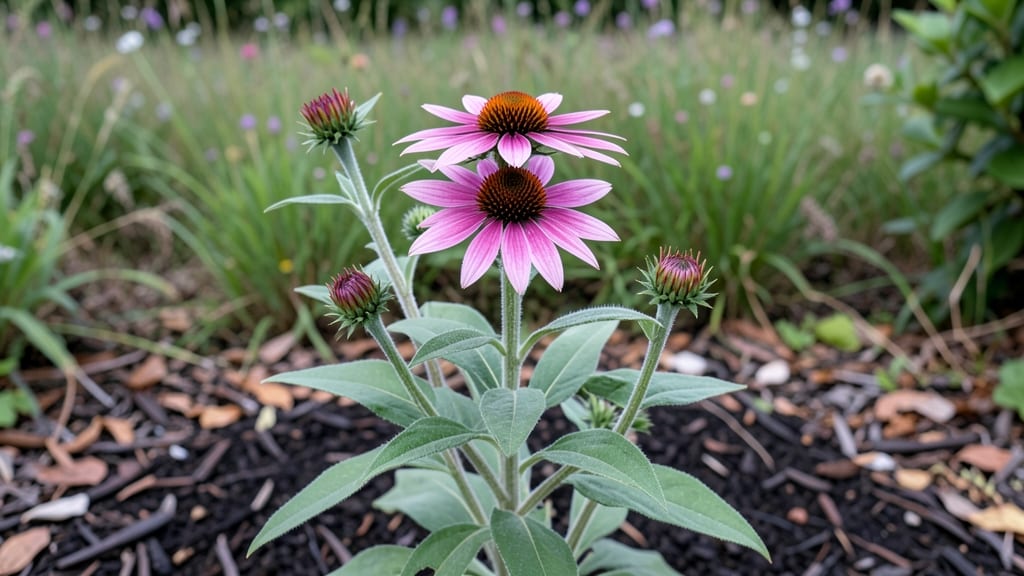
Late summer garden flowers aren't just about surviving the heat—they're about thriving in it. 🌻 I've learned which bold bloomers refuse to fade when temperatures climb, and they're the secret to a garden that stays vibrant long after most plants have given up.
These aren't delicate spring flowers; these are the tough, sun-loving stars that take over when everything else wilts.
The key is choosing varieties bred for late-season heat like black-eyed Susans, Russian sage, or gaillardia—plants that actually love the dry, hot conditions. Most need full sun and well-draining soil, but once established, they're nearly foolproof.
I've had my Russian sage bloom straight through September with only occasional watering, while its neighbors struggled. The payoff? A garden that looks like it's just getting started when others are already fading.
You'll end up with a late-summer display that pops with color when your neighbors are reaching for their fall mums. Imagine deep purples, fiery oranges, and golden yellows standing tall against the heat haze—these flowers don't just survive the final heat waves, they own them.
The best part? Many of these same plants will self-seed for next year, giving you even more drama with less effort.
Perfect for sunny borders, cutting gardens, or even container arrangements that need to handle the dog days. Here's how to make them the stars of your late-season show—without the fuss of coddling delicate blooms.
📚 In This Guide
- What you need
- Instructions
- Tips and common mistakes
- Wrapping up and next steps
What you need
- ● Late summer flowers: Choose heat-tolerant varieties like Zinnias, Marigolds, Cosmos, Sunflowers, or Lantana (select 3–5 types for diversity). Pro tip: Opt for disease-resistant hybrids for extra resilience! 💡
- ● Potting soil or garden soil: 10–15 gallons (or enough to fill containers/beds). Use a well-draining mix amended with compost for nutrients.
- ○ Containers or garden beds: Containers: 5–10 pots (5–10 inches in diameter) with drainage holes. Optional: Self-watering pots for low-maintenance care.
- ○ Garden beds: Full-sun spots (6+ hours of light) with loose, fertile soil. Optional: Raised beds for better drainage.
- ○ Watering can or hose with nozzle: A gentle spray setting prevents soil erosion. Optional: Drip irrigation system for automated care.
- ● Fertilizer: Balanced liquid fertilizer (10-10-10 or 20-20-20) for established plants.
- ○ Slow-release granules (like osmocote) for potted plants. Optional: Organic options like fish emulsion or compost tea.
- ● Hand trowel or transplanting spade for digging and planting.
- ● Pruning shears (sharp and clean) to trim dead blooms and encourage new growth.
- ○ Gloves (optional but helpful for handling thorny plants like roses or sunflowers).
- ● Mulch (2–3 inches of straw, wood chips, or shredded leaves) to retain moisture and regulate soil temperature.
- ● Plant labels (if you’re growing multiple varieties) to track what’s what!
- ● Shade cloth (for seedlings or extreme heat protection).
- ● Epsom salt (for magnesium boost, especially for leafy greens like Coleus).
- ● Decorative rocks or pebbles for container drainage layers.
- ● Pollinator-friendly companions (like Basil or Nasturtiums) to attract bees and butterflies!
Instructions for planting late summer garden flowers
Here's how to select and plant bold, heat-tolerant blooms that will thrive until frost.
🌱 Step 1: Choose the Right Heat-Tolerant Varieties
Focus on late-summer bloomers like celosia, zinnias, cosmos, and salvia—these handle 90°F+ temperatures better than most annuals. I avoid anything labeled "cool-season" or "spring-blooming" at this point. Check your local nursery for heat-resistant seed packets or ask staff which varieties perform best in your climate zone.
Look for plants with thick, waxy leaves and deep root systems—these traits signal drought tolerance. You'll see these characteristics in mature plants at the nursery, so inspect carefully before buying. For example, Mexican sunflower (Tithonia rotundifolia) thrives in heat and attracts pollinators relentlessly.
🪴 Step 2: Prepare the Planting Site
Clear the area of weeds and loosen the soil to a depth of 6-8 inches using a garden fork. Amend the soil with 2-3 inches of compost—this improves drainage while retaining moisture, which is critical during late summer's intense heat. Mix the compost into the top 4-6 inches of soil evenly.
If your soil drains poorly, create raised beds or plant in containers with drainage holes—waterlogged roots will kill heat-sensitive blooms. Test drainage by digging a 6-inch hole, filling it with water, and timing how long it takes to drain. If it takes longer than 30 minutes, improve drainage with sand or perlite before planting.
☀️ Step 3: Plant at the Correct Depth and Spacing
Dig holes twice as wide as the root ball but no deeper—planting too deep suffocates roots. Place each plant so the top of the root ball sits level with the soil surface. For seeds, follow packet instructions for depth (usually ¼ inch for most annuals). Press the soil gently around the roots to eliminate air pockets.
Space plants according to their mature size: zinnias need 12-18 inches apart, while cosmos can spread to 2 feet. Overcrowding reduces airflow, which invites fungal diseases like powdery mildew. If planting in containers, use one plant per 6-inch pot for small varieties like bachelor's buttons or two per 12-inch pot for larger types like celosia.
💧 Step 4: Water Deeply and Mulch Immediately
Water the soil to a depth of 12 inches before planting—this ensures roots establish quickly in dry conditions. After planting, water again to settle the soil and eliminate air gaps. Use a soaker hose or drip irrigation to deliver water slowly at the base; overhead watering can scorch delicate leaves in intense afternoon sun.
Apply 2-3 inches of mulch (such as straw or shredded bark) around each plant, keeping it 2 inches away from stems to prevent rot. Mulch locks in moisture and regulates soil temperature, which is especially important during late summer's heat waves. Replenish mulch as it breaks down to maintain coverage throughout the season.
✂️ Step 5: Maintain with Strategic Pruning and Deadheading
Remove spent blooms weekly to encourage continuous flowering—this is called deadheading. Use clean, sharp pruners and cut just above a set of leaves to promote bushier growth. For example, zinnias respond dramatically to deadheading; you'll see new buds forming within 5-7 days of pruning.
Fertilize lightly every 4-6 weeks with a balanced, water-soluble fertilizer (10-10-10 ratio). Avoid high-nitrogen feeds—these produce lush foliage at the expense of blooms. Instead, opt for a low-nitrogen, high-phosphorus fertilizer to boost flowering. Watch for signs of stress like yellowing leaves or drooping stems, which may indicate overwatering or nutrient deficiencies.
Tips & tricks for planting late summer garden flowers
These heat-smart strategies will help your bold blooms survive—and thrive—through the final stretch of summer.
Heat-Resistant Variety Selection: When choosing plants at the nursery, look beyond just the flowers—focus on leaf texture and stem thickness. Plants with thick, waxy leaves like celosia and salvia handle 90°F+ temperatures better than delicate varieties. I've learned the hard way that even beautiful zinnias can wilt if they don't have adequate airflow, so prioritize spacing over packing plants too closely.
Soil Preparation Secret: The 6-8 inch soil loosening in Step 2 isn't just about weeds—it creates crucial air pockets that help roots breathe during heat waves. For containers, mix 25% perlite into your potting soil to improve drainage. I've seen Mexican sunflowers thrive in containers with this mix even when temperatures hit 95°F—their deep roots appreciate the air circulation.
Watering Wisdom: That 12-inch deep watering in Step 4 might seem excessive, but it's essential for establishing roots in dry conditions. I use a soaker hose set on a timer for 20 minutes twice daily—once in early morning and once in late afternoon—to maintain consistent moisture without wetting the foliage. This mimics natural rainfall patterns and prevents fungal issues that thrive in humid summer air.
Deadheading Discipline: The weekly deadheading in Step 5 isn't just about looks—it's a growth signal to your plants. When you remove spent blooms, you're telling the plant to redirect energy into producing more flowers instead of setting seed. For zinnias, I've seen new buds appear within 5-7 days of proper deadheading, even in 90°F+ heat. Use clean pruners and always cut just above a leaf node to encourage bushier growth.
Pro Tips for Late Summer Garden Flowers
- These heat-smart strategies will help your bold blooms survive—and thrive—through the final stretch of summer.
- Heat-Resistant Variety Selection: When choosing plants at the nursery, look beyond just the flowers—focus on leaf texture and stem thickness.
- Soil Preparation Secret: The 6-8 inch soil loosening in Step 2 isn't just about weeds—it creates crucial air pockets that help roots breathe during heat waves.
Frequently asked questions
Got questions about late summer garden flowers?
You’re not alone! Here are answers to the most common queries to help you keep your garden vibrant until fall.
What are the best late summer flowers for full sun?
For full sun, opt for heat-tolerant blooms like Black-Eyed Susans, Zinnias, Lantana, or Salvia. These thrive in direct sunlight and add bold color to your garden. Pair them with drought-resistant succulents for a low-maintenance look!
When is the ideal time to plant late summer flowers?
Plant after the last expected frost (typically late May to early July, depending on your zone). For annuals like cosmos or sunflowers, sow seeds directly in the soil once temperatures stabilize. Perennials like coneflowers can be planted in early summer for fall blooms.
How often should I water late summer flowers?
Water deeply 2-3 times per week during heatwaves, focusing on the soil (not leaves) to prevent fungal issues. Mulch around plants to retain moisture. Early morning watering reduces evaporation and keeps blooms vibrant longer!
Can I still plant flowers in late August?
Yes! Fast-growing annuals like marigolds or pansies can be planted in late August for fall color. For perennials, stick to early summer planting. Avoid heat-sensitive varieties like impatiens—they’ll struggle in lingering summer heat.
Why are my late summer flowers wilting?
Wilting often signals underwatering, overwatering, or heat stress. Check soil moisture (stick your finger 1 inch deep—if dry, water!). Trim spent blooms to encourage new growth and provide afternoon shade if temperatures exceed 90°F.
What’s a great late summer flower alternative to deadhead?
Try ornamental grasses (like fountain grass) or fall asters for texture and color. These require minimal deadheading and add movement to your garden. Plus, they attract pollinators like bees and butterflies!
Wrapping up and next steps
Late summer gardens don’t have to fade into dullness—bold, vibrant blooms like Black-Eyed Susans, Zinnias, and Dahlias prove that the season can still shine bright. These heat-loving flowers not only add color but also attract pollinators, extending your garden’s life and beauty.
Whether you’re a seasoned gardener or just starting, now’s the perfect time to plant, prune, or simply enjoy the last hurrah of summer blooms.
Ready to make your garden pop? Grab your gloves, sketch a quick plan, and dive in—your late-summer oasis is waiting! 🌸✨