
Tools
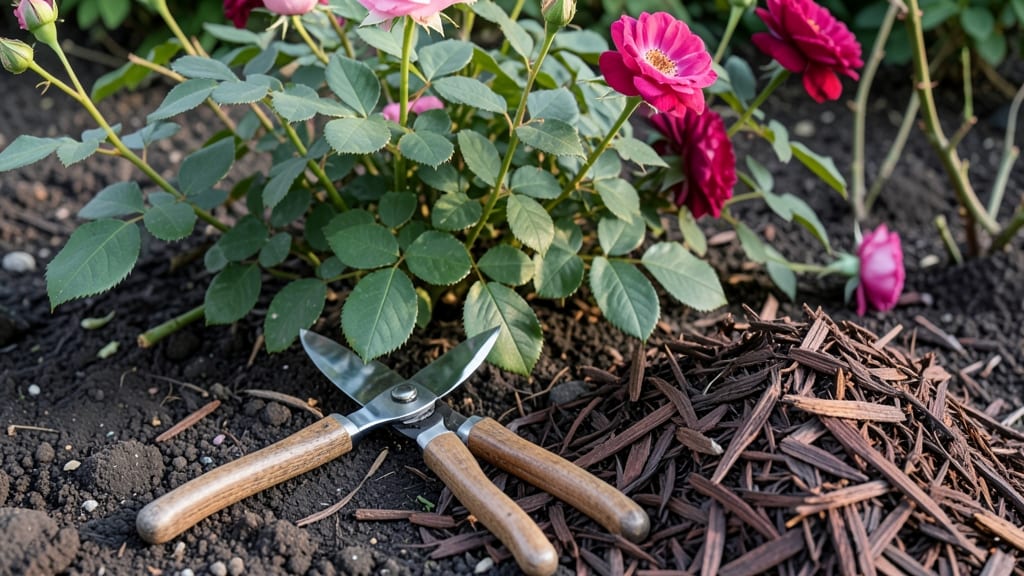
A little flower garden maintenance ensures your blooms stay vibrant all season without overwhelming weekly chores.
I’ve cut my maintenance time in half by focusing on just three key habits—pruning at the right moments, watering with intention, and a quick soil check every month—that keep my garden thriving without the burnout. The secret isn’t perfection; it’s consistency with the right techniques.
Start with a 10-minute weekly check: scan for wilting leaves, dead blooms, or pests, then address them immediately. Most flowers reward quick attention—snipping spent blooms encourages new growth, and a light mulch layer keeps moisture where it belongs.
I’ve found that even 15 minutes every other week on soil health—just fluffing the top inch and adding compost—makes a world of difference in how vibrant everything looks.
By summer’s end, you’ll have a garden that looks like it belongs in a magazine, not just your backyard. The flowers stay lush longer, the colors pop brighter, and you spend more time enjoying the view than fighting the weeds.
The best part? These same habits work for perennials, annuals, and even container gardens—no matter what you’re growing.
Fair warning: the first year might feel like more effort, but after that, it’s muscle memory. Once you see how little time it takes to keep things thriving, you’ll wonder why you ever dreaded garden chores.
Let’s make this the season your garden actually feels like a joy, not a job.
📚 In This Guide
- What you need
- Instructions
- Tips and common mistakes
- Wrapping up and next steps
What you need
- ● Hand pruners – Sharp, bypass-pruning shears (for clean cuts on stems up to ½ inch thick). Pro tip: 💡 Sharpen blades annually for precision!
- ● Garden gloves – Durable, breathable pair (nitrile-coated for thorns or rose gardens).
- ● Watering can or hose with adjustable nozzle – 1–2 gallons capacity (or a soaker hose for deep hydration).
- ● Garden fork & trowel – Sturdy metal tools for weeding, dividing plants, and aerating soil.
- ● Wheelbarrow or bucket – 2–3 cubic feet capacity (for hauling debris, compost, or mulch).
- ○ Pruning saw – For thick branches (optional but handy for shrubs or small trees).
- ● Compost or organic fertilizer – 5–10 lbs per season (balanced 10-10-10 or plant-specific blends).
- ● Mulch – 2–3 inches of shredded bark, straw, or pine needles (replenish annually).
- ● Pest control – Neem oil, insecticidal soap, or diatomaceous earth (as needed).
- ● Plant supports – Stakes, trellises, or rings (for tall flowers like sunflowers or delphiniums).
- ○ pH testing kit – Optional but helpful for adjusting soil acidity (aim for 6.0–7.0 for most flowers).
- ● Know your USDA Hardiness Zone (for seasonal planting/pruning timing).
- ● Basic awareness of your garden’s sunlight exposure (full sun, partial shade, etc.).
- ● Weekly time commitment: 15–30 minutes (adjust for size/plant types).
Instructions for season-long flower garden maintenance
Here's how to keep your flower garden thriving with just a few focused tasks each week.
Inspect for Pests and Diseases Daily
Start your routine by scanning each plant for signs of trouble—aphids, powdery mildew, or chewed leaves. I look for tiny clusters of insects on new growth or white fuzzy patches on foliage. Early detection means less damage and fewer chemicals needed. Focus on the undersides of leaves where pests love to hide.
Use a strong stream of water to knock off aphids or spider mites if you catch them early. For fungal spots, remove affected leaves immediately and dispose of them in the trash, not your compost. Healthy plants resist pests better, so prioritize plants showing stress first.
Water Deeply in the Early Morning
Water your garden when the soil feels dry to the touch, usually every 2-3 days depending on your climate. I aim for 1 inch of water per week, delivered directly at the base of plants. Watering in the morning gives foliage time to dry, reducing fungal diseases.
Use a rain gauge or tuna can to measure water depth—fill it with water and see how long it takes to drain. Mulch helps retain moisture, so apply a 2-3 inch layer of organic mulch around plants (but keep it away from stems). Drip irrigation is ideal for precision, but a soaker hose works too.
Deadhead Spent Blooms Weekly
Pinch off faded flowers as soon as they appear to encourage more blooms. I use my fingernails or clean scissors to snip just above the next set of leaves or buds. This redirects the plant’s energy from seed production to growing new flowers.
For perennials like coneflowers or black-eyed Susans, deadheading extends their bloom time by weeks. Annuals like petunias or zinnias reward you with nonstop color if you stay on top of this task. Never deadhead plants that self-seed (like poppies) unless you want fewer next year.
Fertilize Lightly Every 4-6 Weeks
Use a balanced, slow-release fertilizer like 10-10-10 or a bloom-boosting formula with higher phosphorus (like 5-10-5). I sprinkle granules around the base of plants and water them in thoroughly. Over-fertilizing burns roots, so always follow package rates.
Observe your plants’ color—pale leaves signal a nitrogen deficiency, while weak stems suggest phosphorus needs. Organic options like composted manure or fish emulsion work well but require more frequent applications. Stop fertilizing 6-8 weeks before first frost to encourage root hardening.
Prune and Shape as Needed
Trim leggy stems to encourage bushier growth, and remove any crossing branches that rub together. I use sharp, clean pruners to make cuts at a 45-degree angle just above a leaf node. This prevents water from pooling and causing rot.
For shrub-like perennials, prune in early spring before new growth appears. Avoid heavy pruning in fall—it stimulates tender new growth that won’t survive winter. Always sterilize your tools with rubbing alcohol between cuts to prevent disease spread.
Tips & tricks for perfect flower garden maintenance
Keeping your flower garden vibrant all season doesn't require constant effort—just these smart strategies to maximize your weekly routine.
The Early Morning Advantage: Watering in the early morning as instructed not only prevents fungal diseases but also ensures plants have moisture for the entire day. I've found that watering between 6-8 AM gives plants time to absorb water before the heat of the day. If you must water later, do it by 10 AM to avoid evening dampness that invites fungal growth. For containers, water until you see drainage at the bottom—this confirms roots are getting enough moisture.
Deadheading Done Right: When deadheading in Step 3, focus on removing the entire flower stem down to the next set of leaves or buds, not just the faded blossom. This redirecting of energy is what triggers continuous blooming. For delicate stems, I use my fingernails to pinch rather than sharp tools that can damage the plant. And here's a pro tip: if you're dealing with a large garden, consider wearing gardening gloves—they make the process faster and protect your hands from thorns or sap.
Fertilizer Timing Matters: The 4-6 week fertilization schedule in Step 4 works perfectly for most flowering plants, but timing is key. Apply your fertilizer in early spring when plants are just starting to grow, then again mid-season when you see active blooming. The 6-8 week pause before frost is crucial—it allows plants to harden off properly. For organic options like composted manure, you'll need to apply more frequently (every 2-3 weeks) since they break down quickly in the soil.
Pruning Precision: When shaping plants in Step 5, always make clean cuts at a 45-degree angle just above a leaf node. This angled cut helps water run off rather than pool on the cut surface. For large shrubs, I've found that pruning in stages over several weeks prevents shock to the plant. And remember to sterilize your pruners between cuts—this simple step can prevent spreading diseases from one plant to another. A small bottle of rubbing alcohol works perfectly for this purpose.
Pro Tips for Flower Garden Maintenance
- Keeping your flower garden vibrant all season doesn't require constant effort—just these smart strategies to maximize your weekly routine.
- The Early Morning Advantage: Watering in the early morning as instructed not only prevents fungal diseases but also ensures plants have moisture for the entire day.
- Deadheading Done Right: When deadheading in Step 3, focus on removing the entire flower stem down to the next set of leaves or buds, not just the faded blossom.
Frequently asked questions
Got questions about keeping your flower garden thriving with ease? Here are answers to the most common concerns—so you can enjoy stunning blooms without the guesswork!
How often should I water my flower garden?
Water deeply 2-3 times per week (early morning is best) during dry spells, but adjust based on your climate. Most flowers prefer 1 inch of water per week. Use a rain gauge or tuna can to measure—overwatering can drown roots! Mulch helps retain moisture and reduces frequency.
When is the best time to prune dead flowers?
Prune spent blooms right after they fade (deadheading) to encourage more flowers. For perennials, wait until late fall or early spring for a major trim. Avoid pruning in extreme heat—it stresses plants. Pro tip: Use clean, sharp shears to prevent disease.
What’s the easiest way to deal with pests naturally?
Start with prevention: Healthy soil (rich in compost) and strong plants resist pests. For mild infestations, try neem oil or insecticidal soap. Introduce beneficial insects like ladybugs or lacewings. Avoid chemical sprays—they harm pollinators and disrupt ecosystems.
Can I use mulch in my flower garden?
Mulch (2-3 inches of wood chips, straw, or shredded leaves) locks in moisture, suppresses weeds, and regulates soil temperature. Just keep mulch 3 inches away from plant stems to prevent rot. Pro tip: Refresh mulch annually for best results.
How do I prepare my flower garden for winter?
Start by cutting back dead foliage (except for ornamental grasses). Add a 3-inch layer of mulch to protect roots. For tender perennials, wrap them in burlap or move pots to a sheltered spot. Don’t prune spring bloomers until new growth appears—old stems shelter buds!
Wrapping up and next steps
Creating a stunning flower garden doesn’t have to be a time-consuming chore—just a few simple, seasonal steps can keep your blooms thriving with minimal weekly effort! 🌸 From pruning for growth to watering wisely and protecting against pests, consistency is key.
With the right tools and a little routine care, your garden will reward you with vibrant colors and fragrant beauty all year long.
Ready to transform your space? Start by picking one small task this weekend—whether it’s deadheading spent blooms, checking soil moisture, or adding mulch. Small actions lead to big results, and soon, your garden will be the envy of the neighborhood! 🌿