
Vegetables
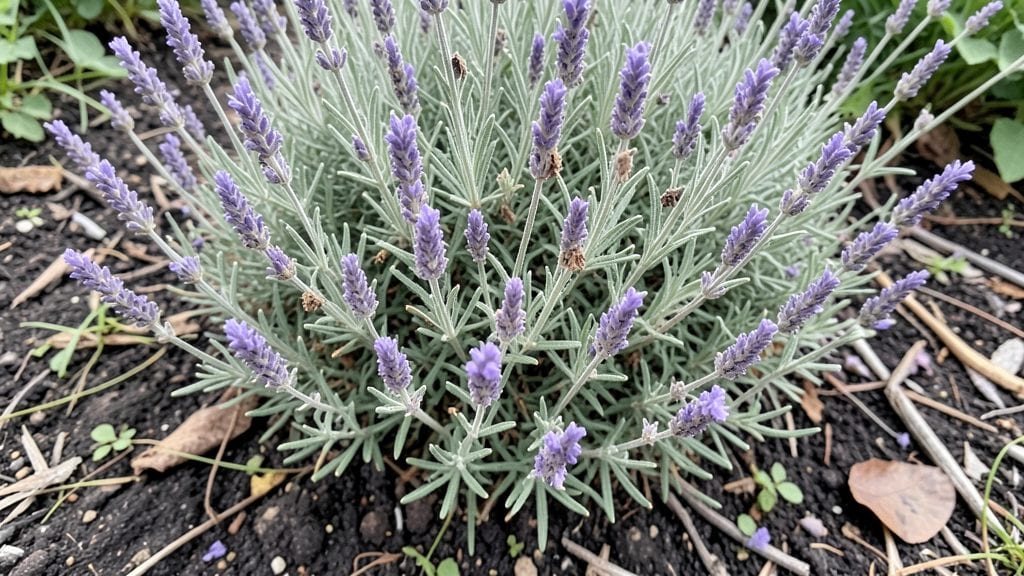
Creating a neighbor-friendly garden that buzzes with life all year isn’t just about pretty flowers—it’s about crafting a space that invites people in and keeps pollinators thriving. 🌿 I’ve turned my front yard into a living room for bees, butterflies, and my nosy neighbors, and the results are shockingly lush borders that bloom from spring through frost.
The key? Layering plants that provide food, shelter, and shade at every season, while keeping pathways wide enough for casual chats.
You don’t need a big yard to make this work—just thoughtful placement. Start with a 5-foot-wide pollinator path along your property line, filled with native perennials like milkweed, coneflowers, and black-eyed Susans.
Add a 3-foot-tall shrub like butterfly bush for vertical interest, and toss in some edible herbs like lavender or rosemary for that extra neighbor-approved touch. The best part? These plants handle drought once established, so maintenance stays light.
By summer, you’ll have a garden that’s not just beautiful but buzzing with activity—bees pollinating your veggies, butterflies flitting between blooms, and neighbors stopping to ask about your "secret garden."
The layout encourages movement: a bench tucked under the butterfly bush becomes the perfect spot for morning coffee chats, while the pollinator path doubles as a walking route. It’s gardening that grows connections as much as it grows flowers.
This approach works for townhouses, suburban lots, or even apartment balconies with containers. The only rule? Keep it inviting—low borders, clear sightlines, and plants that smell as good as they look. Here’s how to design yours without breaking a sweat or the bank.
📚 In This Guide
- What you need
- Instructions
- Tips and common mistakes
- Wrapping up and next steps
What you need
- ● Native perennials & annuals (3-5 varieties): Milkweed (for monarchs) – 3-5 plants
- ● Coneflowers (Echinacea) – 4-6 plants
- ● Black-eyed Susans – 5-7 plants
- ● Bee balm (Monarda) – 3-4 plants
- ● Lavender – 2-3 plants (drought-tolerant!)
- ○ Pollinator-friendly vegetables (optional but helpful): Zucchini (1-2 plants)
- ● Cucumbers (1-2 vines)
- ● Squash (1-2 plants)
- ● Mulch: 2-3 bags of organic mulch (straw or shredded bark) to retain moisture.
- ● Gardening basics: Trowel (for planting)
- ● Pruners (for trimming)
- ● Garden gloves (1 pair)
- ● Watering can or hose with adjustable nozzle
- ○ Optional but handy: Kneeling pad (for comfort)
- ● Soil tester kit (to check pH levels)
- ● Birdbath or shallow dish (for pollinators to drink)
- ● A sunny spot (6+ hours of sunlight daily).
- ● Well-draining soil (amend with compost if needed).
- ● Access to water (a drip irrigation system or hose nearby).
- ● Neighbor approval (if sharing space or visibility!).
How to design a pollinator-friendly garden layout
Here's my go-to approach for creating a thriving, bee-friendly garden that keeps blooming from spring to frost.
🌱 Step 1: Plan Your Planting Zones for Seasonal Bloom
Start by dividing your space into three distinct zones: early spring bloomers, mid-season stars, and late-season showstoppers. I always begin with early bloomers like crocus and lungwort to feed emerging pollinators as soon as the ground thaws. These plants need full sun to partial shade and should occupy the front or edges of your garden where they won't be shaded by taller plants later in the season.
Next, map out your mid-season workhorses—think coneflowers, black-eyed Susans, and bee balm—that take over once temperatures rise. These should get at least 6 hours of direct sun and form the middle layer of your design. Finally, tuck in late-season performers like asters and goldenrod at the back or along fences where they can catch lingering sunlight into fall.
☀️ Step 2: Create Sun and Shade Microclimates
Pollinators need variety, so I design my gardens with intentional light contrasts. Begin by identifying your sunniest spots—these are prime real estate for sun-loving perennials like lavender and salvia. In these areas, group plants with similar sun requirements together to create cohesive microclimates that maintain consistent growing conditions.
For shadier areas, I incorporate woodland natives such as bleeding heart and foamflower that thrive with 3-4 hours of morning sun. The key is to transition gradually between light levels—never place a full-shade plant next to a full-sun plant without a buffer of medium-light species. This prevents stress and ensures continuous blooming throughout the garden.
💧 Step 3: Layer Plants for Continuous Nectar Flow
I arrange plants in three distinct layers to maximize pollinator activity: ground covers, mid-height perennials, and tall structural plants. Start with low-growing ground covers like creeping thyme or wild strawberries that blanket the soil and provide early-season forage. These should be planted in 3-4 inch deep pockets of soil to establish strong root systems.
Above them, install mid-height perennials like catmint and Russian sage that bloom profusely and attract a wide variety of bees. These should be spaced 18-24 inches apart to allow for air circulation and easy movement between plants. Finally, add tall structural plants like Joe Pye weed or giant fleabane at the back or along property lines to create vertical interest and late-season blooms.
✂️ Step 4: Maintain with Strategic Pruning and Deadheading
Regular maintenance keeps your pollinator garden thriving. I begin by removing spent blooms from early-season plants like crocus and lungwort to encourage reblooming and extend the foraging window. For perennials like coneflowers and black-eyed Susans, I wait until late fall to cut back dead foliage—this provides winter shelter for beneficial insects and protects against early spring frosts.
In mid-summer, I focus on light pruning to shape plants and remove any diseased or damaged growth. This prevents the spread of pathogens and keeps the garden looking tidy without sacrificing blooms. I also add a 2-3 inch layer of mulch around plants to retain moisture and suppress weeds, which helps pollinators by keeping the garden healthy and low-maintenance.
Tips & tricks for perfect pollinator-friendly garden layouts
Creating a thriving pollinator garden goes beyond just planting flowers—it's about strategic design that keeps bees buzzing all season long.
Seasonal Transition Tip: In Step 1, when planning your early spring bloomers like crocus and lungwort, consider adding a few late-winter bloomers such as hellebore or winter aconite to extend the foraging window even earlier. These plants provide critical nectar when other flowers are still dormant. The key is to ensure these early bloomers get full sun to partial shade—just like your spring stars—to prevent them from being overwhelmed by taller plants later in the season.
Sunlight Strategy: When creating your sun and shade microclimates in Step 2, I recommend installing a simple sun gauge—a DIY device made from a stick and string—to track sunlight patterns in your garden throughout the day. This helps you precisely identify those 3-4 hours of morning sun spots perfect for woodland natives. I've found that even small variations in sunlight exposure can mean the difference between thriving plants and struggling ones.
Layering for Impact: For maximum pollinator activity in Step 3, I suggest adding a fourth layer—shrubs like butterfly bush or serviceberry—along property lines or fences. These provide both vertical interest and late-season blooms that extend your garden's value into fall. The 18-24 inch spacing for mid-height perennials is perfect for creating easy pathways between plants, which pollinators appreciate when navigating your garden.
Maintenance Made Easy: In Step 4, when deadheading early-season blooms, I've found that using clean, sharp pruners and removing spent flowers in the early morning prevents attracting pests to your garden. For the 2-3 inch mulch layer, I recommend using wood chips or straw—they not only retain moisture but also break down slowly to enrich the soil over time, creating a self-sustaining ecosystem.
Pro Tips for Friendly Neighbor Gardens
- Creating a thriving pollinator garden goes beyond just planting flowers—it's about strategic design that keeps bees buzzing all season long.
- These plants provide critical nectar when other flowers are still dormant.
- This helps you precisely identify those 3-4 hours of morning sun spots perfect for woodland natives.
Frequently asked questions
What’s the best way to design a pollinator-friendly garden on a small urban plot?
Focus on layered planting: combine native perennials (like milkweed for monarchs), annuals (e.g., sunflowers), and herbs (e.g., lavender). Use vertical space with trellises for vines like nasturtiums. Even a 4’x4’ plot can support bees, butterflies, and hummingbirds if you prioritize diverse, seasonal blooms.
How do I keep my garden blooming all year without overwatering?
Rotate seasonal plants: spring bulbs (daffodils), summer annuals (zinnias), fall mums, and winter pansies. Group plants with similar water needs (e.g., succulents + lavender) and mulch heavily to retain moisture. Drip irrigation or soaker hoses automate watering efficiently—saving time and resources.
Will my garden attract pests like aphids or deer? How do I deter them?
Pests are rare in diverse, healthy gardens! Plant repellent companions: marigolds (aphids), garlic (deer), or rosemary (mosquitoes). Use physical barriers like fencing for deer and introduce beneficial insects (ladybugs, lacewings) to control pests naturally. Avoid chemical sprays—they harm pollinators too!
Are there low-cost alternatives to expensive native plants?
Start with seeds (e.g., cosmos, borage) or cuttings from friends’ gardens. Visit local native plant swaps or check community gardens for free divisions. Even dollar-store annuals (like petunias) can feed pollinators—just supplement with native perennials for long-term growth.
How do I protect my garden from harsh winters?
Prep for winter with mulch (straw or leaves) to insulate roots, and choose cold-hardy plants like kale, pansies, or hellebores. Prune perennials in early spring (not fall) to avoid encouraging pests. For tender plants, use cloche covers or row covers—simple solutions that work!
Can I grow vegetables in a pollinator-friendly garden?
Yes! Opt for pollinator-safe veggies like squash, beans, or tomatoes, and avoid pesticides. Plant flowers interspersed with crops (e.g., alyssum near broccoli) to attract beneficial insects. Just steer clear of neonicotinoid-treated seeds—they’re toxic to bees.
Wrapping up and next steps
Creating a friendly neighbor garden isn’t just about beauty—it’s about fostering community, supporting pollinators, and enjoying a year-round harvest. By blending native plants, seasonal veggies, and thoughtful layouts, you’ve got the perfect recipe for a thriving, welcoming space that benefits everyone. 🌿✨
Now that you’re armed with the know-how, why not take the next step? Start small—even a single pollinator patch or a shared raised bed can make a difference. Invite neighbors to join in, swap tips, and watch your garden (and community) bloom together!