
Tools
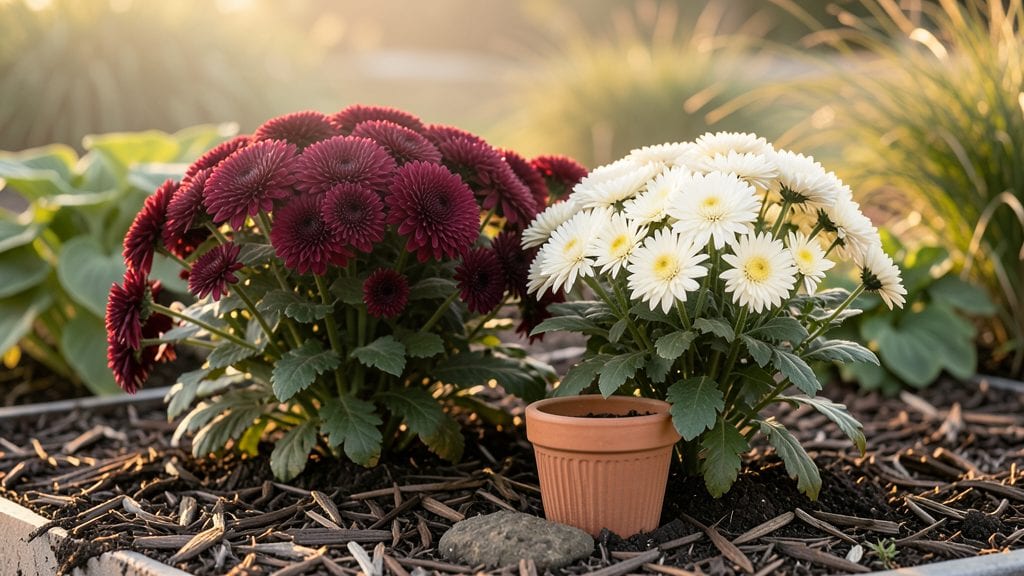
Fall mums bring that shockingly lush color to gardens when most plants have already bowed out for the season. I’ve planted them every autumn for years, and they’ve never failed to deliver—bright blooms from September until frost, with almost no work on my part.
The key isn’t just picking the right variety; it’s understanding how to coax them through the transition from summer heat to winter chill without stressing them out.
You’ll need healthy mums from a reputable nursery (not the sad, wilted ones at big-box stores), a spot with at least 6 hours of sun, and well-draining soil. Most people overlook the soil prep—amend with compost before planting to give roots a strong start.
And here’s the zero-fuss part: once established, they thrive on neglect. A light feeding in early fall keeps blooms vibrant, and deadheading spent flowers extends their show until the first hard frost.
By mid-October, your garden will be a jewel-toned masterpiece with minimal effort. The blooms attract pollinators late in the season, and their sturdy stems hold up to rain and wind better than many annuals.
Even better? You can dig up and overwinter potted mums to reuse them next year—cutting costs and keeping that fall magic alive. Let’s get yours planted before the first cool snap.
Works for containers, borders, or mass plantings—just adjust spacing (12–18 inches apart for full-size mums). In colder zones, mulch after planting to protect roots from early freezes. The secret to humane pest control?
A strong plant resists most problems, but a quick spray of neem oil keeps aphids off without harming bees. Your fall garden just got easier—and prettier.
📚 In This Guide
- What you need
- Instructions
- Tips and common mistakes
- Wrapping up and next steps
What you need
- ● Fall mums (Chrysanthemum spp.) – 3–5 plants per square yard (choose disease-resistant varieties like 'Autumn Carnival' or 'Bright Lights').
- ● Well-draining potting soil – 1–2 bags (18–24" cubic feet) for containers or in-ground planting.
- ● Organic mulch – 2–3 cubic feet (straw, shredded leaves, or pine needles to retain moisture).
- ● Slow-release fertilizer – 10–20 lb bag (10-10-10 or organic options like composted manure).
- ○ Neem oil (optional, for pest control) – 16 oz bottle (dilute with water for a natural spray).
- ○ Diatomaceous earth (optional) – 5 lb bag (food-grade, for soft-bodied pests like slugs).
- ● Garden gloves – 1 pair (nitrile-coated for durability).
- ● Hand trowel or transplant spade – 6–8" length (for delicate root handling).
- ● Watering can or hose with gentle spray nozzle – 1–2 gallons capacity.
- ● Pruning shears – Bypass-type (for shaping and deadheading).
- ○ Spray bottle (optional) – 8 oz (for neem oil or homemade pest deterrents).
- ● Measuring tape or ruler – 6–12" (to space plants 12–18" apart).
- ● Sunlight – 6+ hours of direct sun daily (partial shade in hot climates).
- ● Drainage – Avoid soggy soil; raise containers if needed.
- ● Water source – Consistent access to water (mums wilt fast if thirsty!).
- ● Patience – Mums thrive with minimal fuss—just love ‘em right! 💛
Instructions for planting and caring for garden fall mums
Here's how to keep your chrysanthemums vibrant all season with minimal effort and natural pest protection.
Choose the Right Location and Prepare the Soil
Select a spot with at least 6 hours of sunlight daily—mums thrive in full sun but tolerate light shade in hotter climates. Avoid low-lying areas where cold air settles, as mums are frost-sensitive. Dig in 2-3 inches of compost into the top 6 inches of soil to improve drainage and fertility. Mums prefer well-draining soil that stays moist but never soggy.
Test your soil's pH—mums grow best in slightly acidic to neutral soil, around 6.0 to 7.0. If your soil is heavy clay, mix in 1 part perlite to 3 parts soil to loosen it. Work the amendments into the soil to a depth of 12 inches, breaking up any compacted layers. This ensures roots can spread freely without struggling.
Plant Mums at the Correct Depth and Spacing
Dig holes twice as wide as the root ball and just as deep—planting too deep suffocates roots, while too shallow leaves them exposed. Gently remove the mum from its container and tease apart any circling roots. Place the plant in the hole so the top of the root ball sits level with the surrounding soil, not buried.
Space mums 18-24 inches apart in rows 24 inches apart to allow airflow and prevent disease. For a fuller look, plant in groups of 3-5 plants rather than single stems. Water deeply right after planting to settle the soil and eliminate air pockets. You'll know it's done when water drains freely from the bottom of the holes.
Water Consistently and Mulch for Retention
Water mums once a week during the first month, then every 5-7 days afterward, depending on rainfall. Aim for 1 inch of water per week, delivered at the base of the plant—not overhead—to avoid wetting leaves, which invites fungal diseases. Early morning watering prevents evening moisture from lingering on foliage.
Apply 2-3 inches of mulch around each plant, keeping it 2 inches away from the stem to prevent rot. Use shredded bark, straw, or pine needles—avoid fresh wood chips, which can steal nitrogen as they break down. Mulch helps retain moisture, regulates soil temperature, and suppresses weeds, reducing competition for nutrients.
Fertilize and Prune for Long-Lasting Blooms
Feed mums with a balanced, slow-release fertilizer (10-10-10) every 4-6 weeks starting in early spring. Stop fertilizing 6-8 weeks before your first frost to encourage root hardening. Over-fertilizing late in the season leads to tender new growth that won’t survive winter. You’ll notice stronger stems and more abundant blooms when plants receive steady, moderate nutrition.
Deadhead spent blooms by pinching off the flower head just above the first set of leaves below it. This redirects the plant’s energy into producing new buds instead of setting seed. Prune leggy stems back by one-third in early spring to encourage bushier growth. Avoid heavy pruning after mid-August, as new growth won’t harden off before frost.
Prepare for Winter and Encourage Year-Round Growth
Before the first frost, cut back stems by half and apply a 3-inch layer of mulch to insulate roots. In colder climates, mound soil or straw around the base of the plant for extra protection. Mums are perennial in USDA Zones 5-9—in colder areas, dig up tubers in fall, store them in dry peat moss, and replant in spring.
In spring, remove old mulch and add fresh compost to replenish nutrients. Resume watering when new growth appears, usually by late March or early April. You’ll see fresh shoots emerge from the base of the plant—this is your cue to start fertilizing again. With proper care, your mums will reward you with bold color year after year.
Tips & tricks for perfect garden fall mums
A few simple strategies will help your chrysanthemums thrive with minimal effort while keeping pests at bay naturally.
Sunlight Secret: While mums need at least 6 hours of sunlight daily, I've found they actually perform best with 8-10 hours in cooler climates. In hotter regions, they'll tolerate light shade during peak afternoon sun to prevent wilting. Watch your plants—they'll tell you what they need through their foliage color and bloom production.
Soil Prep Tip: When amending heavy clay soil with the perlite-to-soil ratio, don't just mix it in superficially. Use a garden fork to work it down to that full 12-inch depth. This creates proper drainage channels that prevent root rot, which is especially important during those weekly waterings in Step 3. I like to add a handful of coarse sand to the mix for even better drainage in clay-heavy areas.
Planting Depth Cue: The level-with-the-soil placement in Step 2 might seem tricky at first, but here's my trick: After placing the plant, gently press the surrounding soil. If you can see the top of the root ball, it's too high. If it disappears completely, it's too low. Aim for where the root ball meets the soil line to be flush—this gives you that perfect starting point.
Watering Watch: The 1-inch weekly watering guideline works perfectly in most climates, but I've learned to adjust based on rainfall. After a heavy rain, skip the scheduled watering and wait until the top inch of soil feels dry before watering again. You can test this by sticking your finger in the soil—if it's damp an inch down, hold off watering. This prevents overwatering while still maintaining that consistent moisture.
Pro Tips for Garden Fall Mums
- A few simple strategies will help your chrysanthemums thrive with minimal effort while keeping pests at bay naturally.
- Sunlight Secret: While mums need at least 6 hours of sunlight daily, I've found they actually perform best with 8-10 hours in cooler climates.
- Soil Prep Tip: When amending heavy clay soil with the perlite-to-soil ratio, don't just mix it in superficially.
Frequently asked questions
Got questions about keeping your garden fall mums vibrant and pest-free? Here are some of the most common ones—and their easy solutions!
When is the best time to plant fall mums for long-lasting color?
Plant your mums 4–6 weeks before your first frost (typically late summer to early fall). This gives roots time to establish before winter, ensuring bold blooms next season. For containers, you can plant slightly later—just avoid hard freezes.
How do I keep pests away without harming bees or butterflies?
Opt for neem oil or insecticidal soap—both are safe for pollinators and effective against aphids or spider mites. For a natural barrier, plant marigolds or lavender nearby; their scent deters pests. Avoid chemical sprays during bloom time to protect beneficial insects.
Can I leave mums in the ground over winter, or should I dig them up?
If you live in USDA Zones 5–9, mums are perennial and can stay in the ground with a 3-inch mulch layer to protect roots. In colder zones (Zone 4 or below), dig up pots or mound soil around bare-root plants. Prune back dead foliage in spring for fresh regrowth.
Why are my mums not blooming as much as last year?
Overcrowding, poor soil, or lack of sunlight (they need 6+ hours of sun daily) can stunt blooms. Feed with a balanced fertilizer in early spring and deadhead spent flowers to encourage more blooms. If soil drains poorly, amend with compost.
What’s a low-maintenance alternative to traditional fall mums?
Try sedum (like ‘Autumn Joy’) or Russian sage—both thrive in similar conditions, offer late-season color, and require zero deadheading. For height, cranesbill geraniums provide blooms until frost with minimal care.
Wrapping up and next steps
Fall mums are the perfect zero-fuss garden superstars—bringing vibrant color, easy care, and even pest control without harsh chemicals. Whether you’re a seasoned gardener or just starting, these hardy blooms prove that beauty and simplicity go hand in hand. 🌸
Ready to transform your space? Start small—plant a few mums in pots or along your garden beds, and watch your outdoor oasis glow with autumn charm. Your next step? Grab your gloves, pick your favorite varieties, and let nature do the rest!