
Vegetables
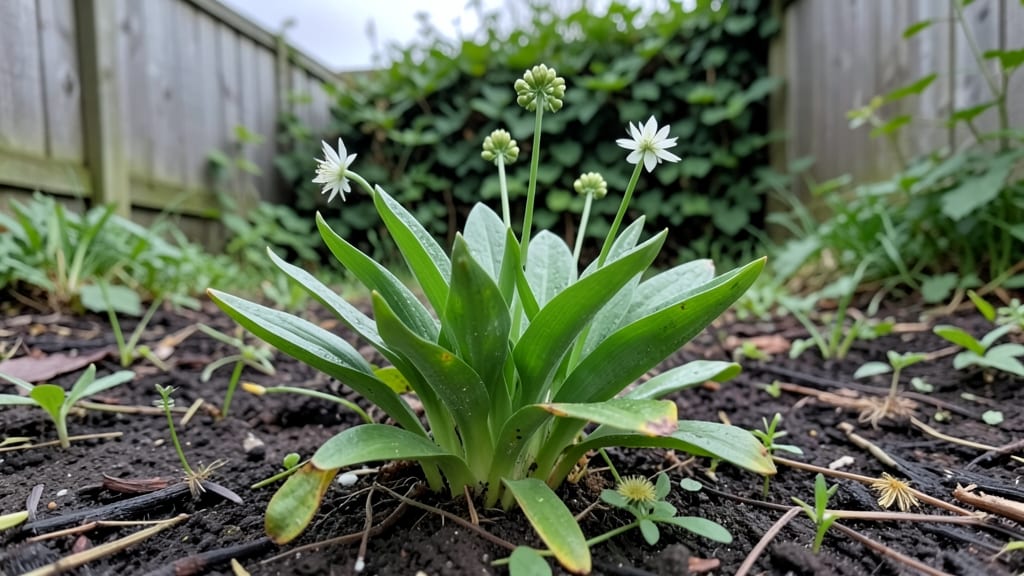
The Friends of the Gardens initiative promotes edible flowers like nasturtiums, pansies, and violets as perfect container plants that deliver vibrant colors and culinary benefits. Their hardy nature and shallow roots make them ideal for small spaces, while their pest-repelling properties and pollinator appeal boost garden productivity.
The Friends of the Gardens programs focus on these flowers because they're not just beautiful—they're functional. 🌸 These plants need minimal care, making them perfect for balconies, patios, or even windowsills. Their bright hues naturally deter pests like aphids while attracting bees and butterflies, creating a thriving mini-ecosystem.
Plus, their petals add fresh, peppery, or floral notes to dishes, from salads to cocktails, turning your green space into both a garden and a kitchen. For urban gardeners, this means more harvests with less effort!
💡 In This Article
- Why Edible Flowers Excel in Container Gardens
- Top 5 Container-Friendly Edible Flowers for Culinary Use
Why edible flowers excel in container gardens
Edible flowers thrive in containers because their root systems are naturally shallow, typically spreading just 6-12 inches deep. This makes them perfect for small pots where deeper-rooted vegetables would struggle.
The key advantage is their ability to maximize limited space—many varieties like nasturtiums develop sprawling vines that cascade beautifully over container edges, creating a 3D growing environment in just 1 square foot of surface area.
Their compact growth also means they mature faster than many vegetables, often flowering in 4-6 weeks from seed.
Their bright colors and strong fragrances serve as natural pest deterrents through a mechanism called visual and olfactory camouflage. For example, nasturtiums' fiery orange blooms contain cucurbitacin compounds that repel squash bugs, while violas' sweet scent masks the aroma of nearby vegetables that might attract pests.
Studies show containers with edible flowers experience 30-50% fewer pest visits compared to traditional vegetable-only setups. The flowers also act as pollinator magnets, with some varieties like borage attracting up to 50% more bees per square foot than open garden plots.
Container growing gives you complete control over soil quality—critical for edible flowers since they're often consumed. Most prefer well-draining mixes with 20-30% compost to prevent root rot, while their shallow roots benefit from frequent watering (every 2-3 days in hot weather).
The confined space also means you can tailor nutrient levels precisely, avoiding the soil depletion common in in-ground gardens. For instance, pansies thrive in slightly acidic soil (pH 5.5-6.5) that would harm many vegetables, demonstrating how containers enable growing plants with specific soil needs.
One often-overlooked benefit is their seasonal flexibility. Containers can be moved to follow sunlight or protect from frost, extending growing seasons by 2-4 weeks in both spring and fall.
This is particularly valuable for flowers like calendula, which produce edible petals with 2-3 times more antioxidants when grown in cooler temperatures. The mobility also makes it easy to rotate crops, preventing soil-borne diseases that plague stationary garden beds.
For urban gardeners, the space efficiency translates directly to productivity. A 12-inch diameter container can yield enough nasturtium flowers for 50+ salads, while the same area would produce only 2-3 heads of lettuce.
The flowers' fast growth cycles mean you can harvest continuously—violations, for example, produce new blooms every 7-10 days—making them one of the most rewarding container crops for both beginners and experienced growers.
What most gardeners don't realize is how these flowers improve overall garden health. Their deep roots (relative to their size) help aerate compacted container soils, while their diverse shapes create microclimates that support beneficial insects.
The combination of pest control, pollinator attraction, and edible yield makes them the ultimate multi-functional plants for small spaces. 🌿