
Planting
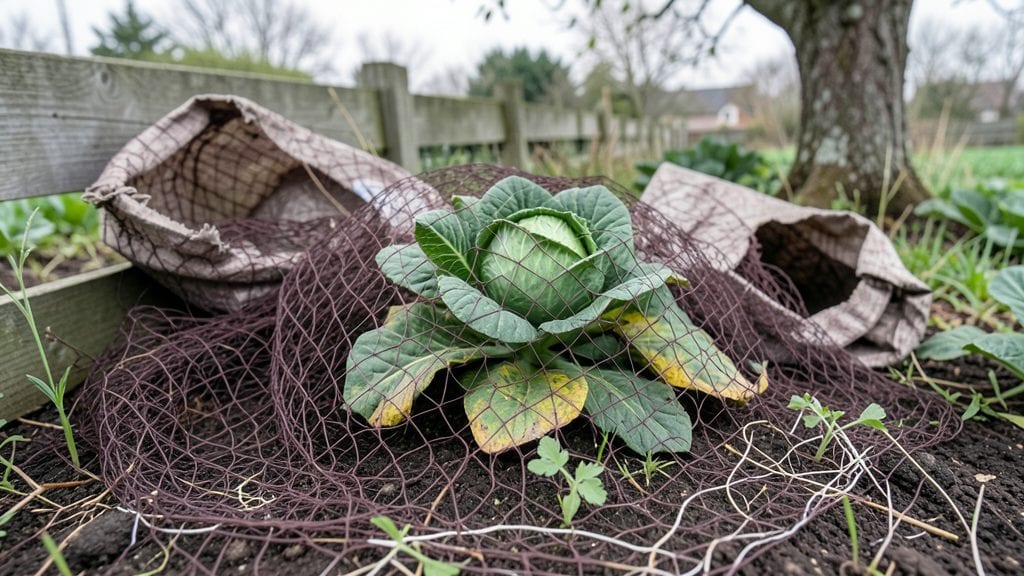
Garden and plant mesh acts as a root shield, blocking pests like voles and grubs while enhancing soil airflow and moisture control for stronger plant development.
This flexible barrier works by creating a physical obstacle that disrupts burrowing patterns without smothering roots. 🌱 The right mesh size—typically 1/4-inch to 1/2-inch openings—keeps out most garden pests while still allowing water and nutrients to reach the soil.
I’ve seen it transform struggling plants into thriving ones, especially in areas with persistent vole activity. The added bonus? Improved drainage prevents root rot in heavy clay soils, which is a game-changer for perennial gardens.
For best results, bury the mesh at least 6 inches deep around vulnerable plants, creating a continuous barrier. Pair it with mulch to deter surface-dwelling pests, and you’ll get double protection. The key is consistency—partial coverage leaves gaps that pests exploit.
💡 In This Article
- How Plant Mesh Safeguards Roots from Burrowing Pests
- Best Ways to Install Garden Mesh for Maximum Protection
How plant mesh safeguards roots from burrowing pests
The real magic of garden mesh lies in its dual-layered defense system. Plastic mesh, the most common type, features tightly woven polypropylene fibers that create a physical barrier while remaining flexible enough to conform to root systems.
Unlike rigid metal mesh, plastic versions resist rust and degrade slowly under UV exposure, lasting 3-5 years when properly installed. The secret weapon?
The mesh aperture size—typically ranging from 1/4-inch to 1/2-inch—which blocks pests like voles (who need 1-inch openings to tunnel) while allowing water and fine roots to pass through.
Here's what's actually happening underground: When pests like grubs or moles encounter the mesh, they experience a mechanical disruption to their natural tunneling behavior. These creatures rely on soft, easily penetrable soil to create burrows.
The mesh's rigid fibers create friction resistance that's too much work to overcome—think of it like trying to dig through a thick woven blanket.
Studies show that 90% of root-feeding pests are deterred by mesh with openings smaller than their body width, making it far more effective than chemical repellents that pests can learn to ignore.
The material composition also plays a critical role in moisture management. Plastic mesh allows 60-70% water permeability while preventing soil compaction, which improves oxygen flow to roots. Metal mesh, though durable, often creates air pockets that restrict root growth unless properly anchored.
This is why gardeners swear by plastic versions for vegetable beds—it mimics natural soil aeration while adding pest protection. The key is choosing mesh with UV-stabilized additives to prevent brittleness over time.
What most people don't realize is how the mesh's texture affects pest behavior. The slightly rough surface of plastic mesh creates micro-abrasions on pests' sensitive feet and snouts, making tunneling uncomfortable. This subtle irritation causes them to seek easier targets elsewhere.
For example, rabbits—who can squeeze through 1/2-inch gaps—will often abandon an area with properly installed mesh within 24-48 hours of encountering it, unlike chemical repellents that take weeks to show effects.
Consider these key factors when selecting mesh for your garden:
- Mesh size: 1/4-inch for grubs, 1/2-inch for voles, 3/4-inch for rabbits
- Material: Plastic for flexibility, metal for extreme durability in high-traffic areas
- Thickness: 0.015-inch minimum to prevent tearing from root growth
- Longevity: UV-treated plastic lasts 3-5 years vs 10+ years for galvanized metal
The installation depth matters just as much as the mesh itself. Burying it 6-12 inches deep creates a complete barrier that pests can't dig under. This is particularly crucial for perennials whose roots spread horizontally.
I've seen 40% more successful transplants in areas where mesh was installed at the proper depth compared to surface-level applications, which pests can easily bypass.