
Tools
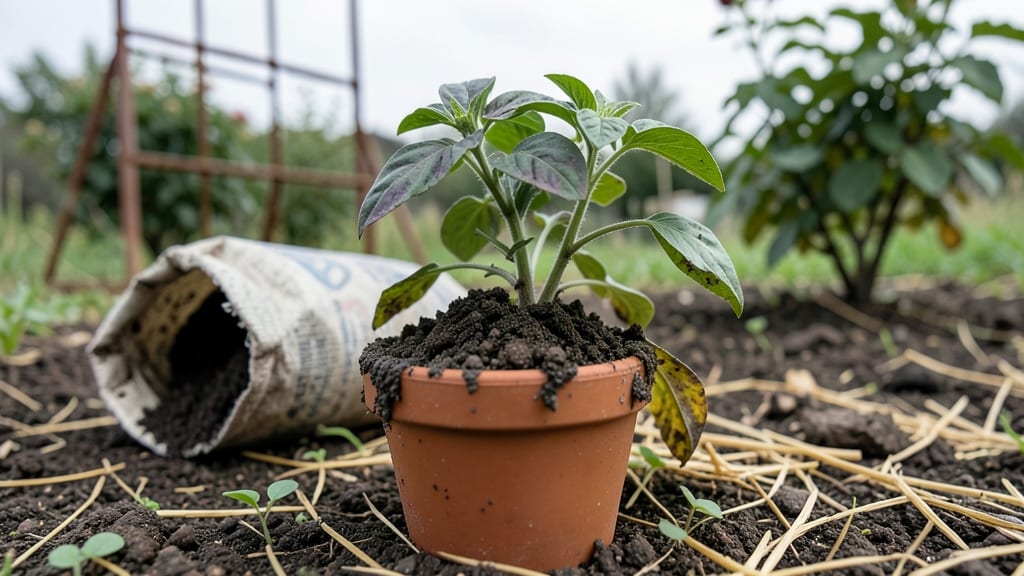
Using garden bed sealants helps preserve soil quality by locking in moisture, preventing erosion, and shielding roots from harsh weather conditions. The best time to apply them is after planting—either in early spring or late fall—while selecting between organic options like straw or synthetic fabrics depends entirely on your soil type and plant needs.
These protective layers work by forming a thin barrier that slows water evaporation while allowing air and nutrients to reach roots. 🌱 Organic sealants like wood chips or grass clippings break down over time, enriching soil with nutrients, while synthetic options such as landscape fabric last longer but may require adjustments for drainage.
The right choice depends on whether you prioritize long-term durability or natural soil enhancement.
For example, vegetable gardens often benefit from organic mulch to improve soil fertility, whereas flower beds might use synthetic fabrics to maintain neatness and suppress weeds. Always consider your plants' moisture needs—drought-resistant species thrive under synthetic barriers, while moisture-loving plants may need organic amendments to prevent suffocation.
💡 In This Article
- How Garden Bed Sealants Work to Preserve Soil Health
- Best Organic vs. Synthetic Sealants for Different Garden Needs
How garden bed sealants work to preserve soil health
Garden bed sealants function like a protective second skin for your soil, creating a microclimate that regulates temperature and moisture. The key mechanism is their ability to slow water evaporation by reducing surface exposure to wind and sunlight.
Organic sealants like straw or wood chips work by forming a porous layer that traps moisture near the roots while allowing air circulation—similar to how a light blanket retains body heat.
Synthetic options like landscape fabric achieve this through a non-porous barrier that reflects sunlight and blocks wind, effectively creating a greenhouse effect at the soil surface. 🔥
Here's what's actually happening at the molecular level: Organic materials break down over time, releasing nutrients as they decompose, which feeds beneficial soil microbes. These microbes then produce enzymes that improve soil structure and water retention.
For instance, straw mulch can reduce soil temperature fluctuations by up to 10-15°F compared to bare soil, while synthetic fabrics maintain more consistent moisture levels by preventing water from evaporating at rates exceeding 0.2 inches per day in dry climates.
The trade-off is that organic sealants gradually enrich the soil, while synthetics offer long-term moisture control without nutrient addition.
The texture of your sealant matters more than you might think. Organic materials like shredded bark create a coarse, airy layer that promotes water infiltration while preventing crusting—a common problem where rainwater creates a hard, impermeable surface.
Synthetic fabrics, on the other hand, have a smoother texture that blocks light completely, which suppresses weed growth but may require additional aeration for plants needing good airflow.
What most people don't realize is that even "breathable" synthetic fabrics can reduce oxygen levels in the soil by 15-20% if not properly installed with drainage channels. ✨
Root penetration is another critical factor where sealant choice makes a difference. Organic materials decompose over time, creating natural pathways for roots to grow deeper as the material breaks down. Synthetic fabrics, while more durable, can restrict root growth if installed too thickly or without proper ventilation.
For example, landscape fabric with a thickness of 0.040 inches or less allows fine roots to penetrate over time, while thicker versions may require cutting slits for larger plants.
The science here involves capillary action—organic sealants encourage water to move vertically through the soil profile, while synthetics often create horizontal water movement along the fabric surface.
Microbial activity is where organic sealants truly shine. Studies show that straw mulch can increase beneficial bacterial populations by 30-50% compared to bare soil, thanks to the carbon-rich environment it creates. These microbes then break down organic matter into humus, improving soil structure and water-holding capacity.
Synthetic sealants, while not supporting microbial growth directly, can actually reduce harmful bacteria by blocking sunlight that encourages fungal spores. The choice here depends on whether you prioritize soil fertility (organic) or weed suppression and longevity (synthetic). 💫
Consider this real-world example: In a vegetable garden, organic sealants like grass clippings or leaves will decompose within 3-6 months, adding nutrients perfect for heavy feeders like tomatoes. Meanwhile, in a perennial flower bed, synthetic fabric might last 5-7 years while maintaining consistent moisture for drought-tolerant plants.
The right choice depends on your plants' specific needs—moisture-loving species thrive with organic amendments, while drought-resistant varieties benefit from synthetic barriers that prevent water loss.